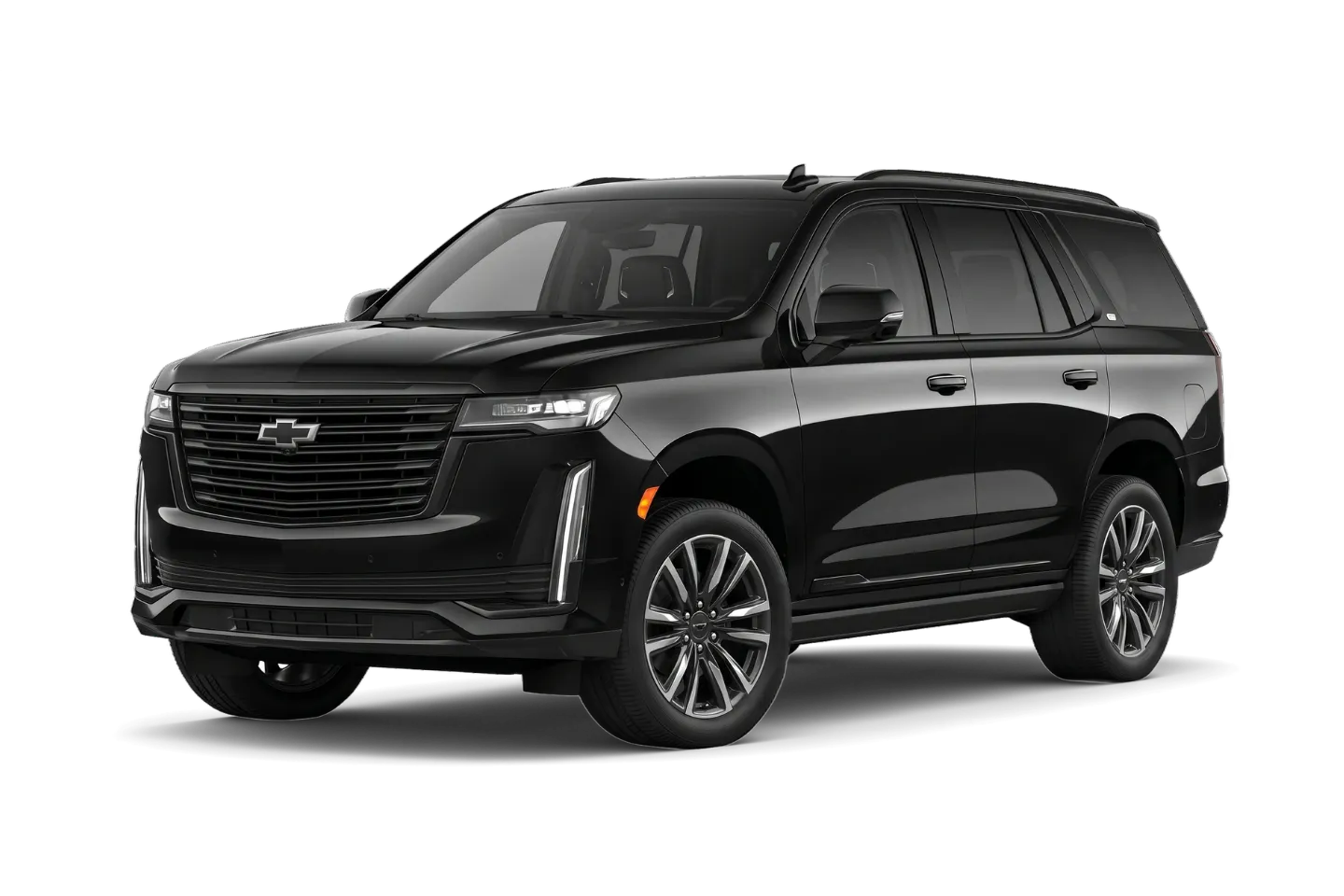
Bus, train, plane, your own car, or a chauffeured ride: each has a different true cost between New York and the capital region. Review 2026 fares, hidden extras, and the best pick for your group size.
The cheapest way to get from NYC to Washington, DC is an intercity bus, with one-way fares that often fall between $20 and $45 when booked ahead. The train comes next, followed by driving yourself, flying, and a private car service to Virginia or the capital. Cheapest on the ticket is only part of the picture, though. Transfers at both ends, luggage, travel time, and the number of people in your party all change the true cost. At Legendary Limousine, we have driven the Northeast Corridor since 1997, and we tell callers plainly when a bus or train will serve them better. This guide compares every option on price, door to door time, and comfort for trips to Washington, Northern Virginia, Richmond, and Hampton Roads.
What Does Each Option Cost at a Glance?
These are typical 2026 one-way ranges for one adult. Fares move with the date, the hour, and how early you book, so treat them as estimates.
- Intercity bus: about $20 to $45, with occasional lower promotional seats. Roughly 4.5 to 5.5 hours.
- Regional train: about $35 to $150. Roughly 3.5 hours.
- High speed train: about $120 to $300. A little under 3 hours.
- Flight: about $80 to $250 plus airport transfers. Around 75 minutes in the air and 3.5 to 4.5 hours door to door.
- Driving your own car: about $75 to $110 in fuel and tolls for the car, plus parking. Roughly 4 to 5 hours for 225 miles.
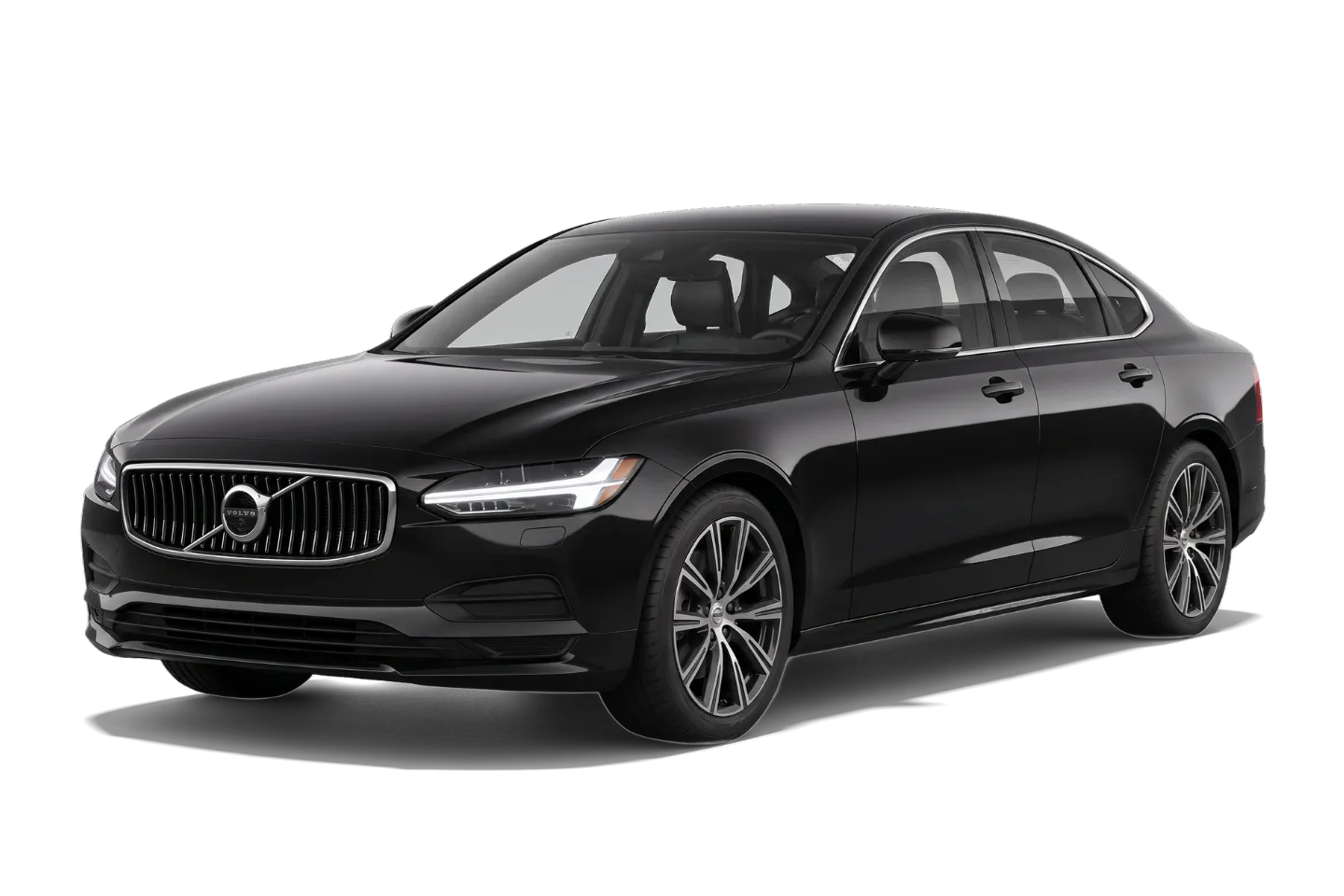
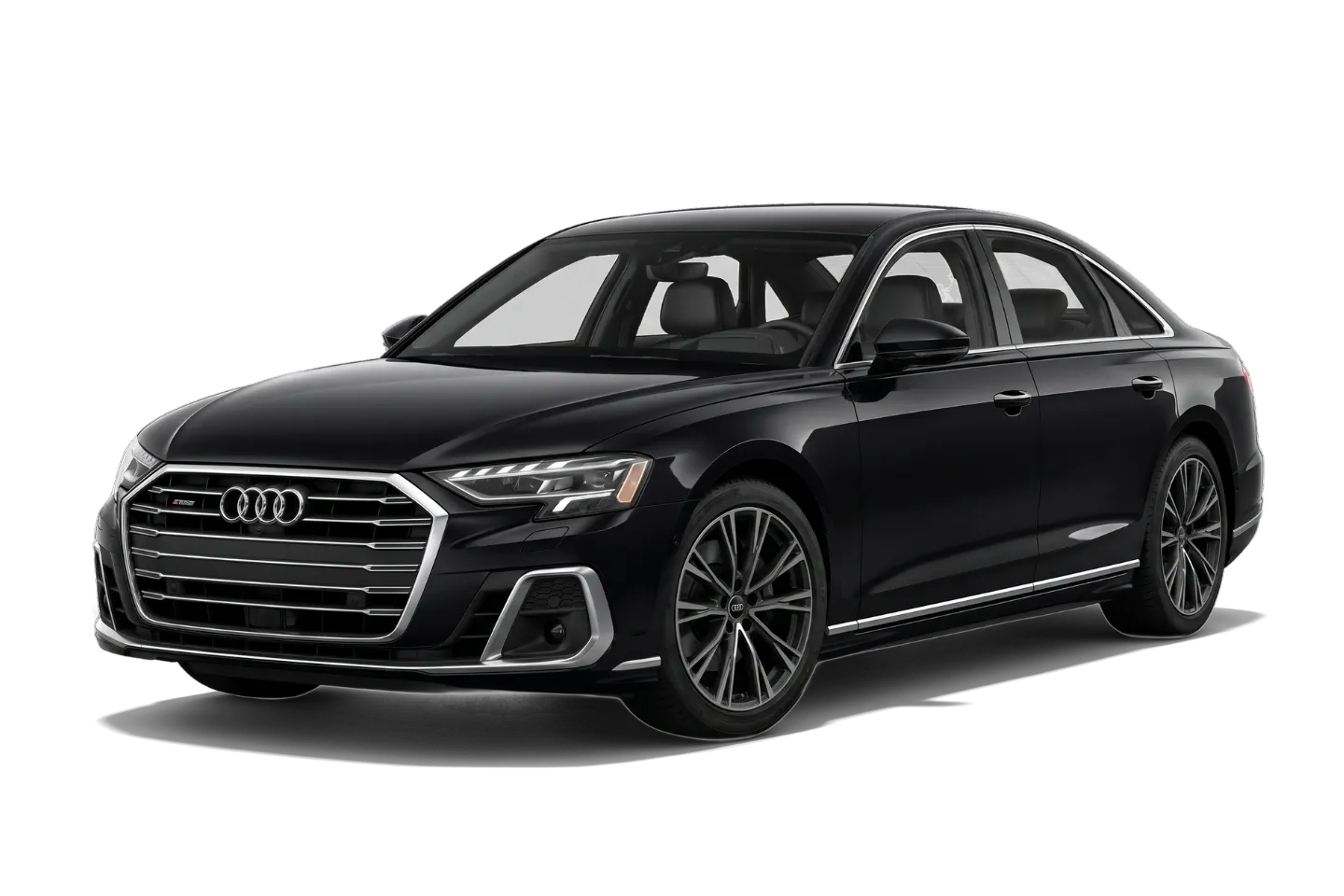
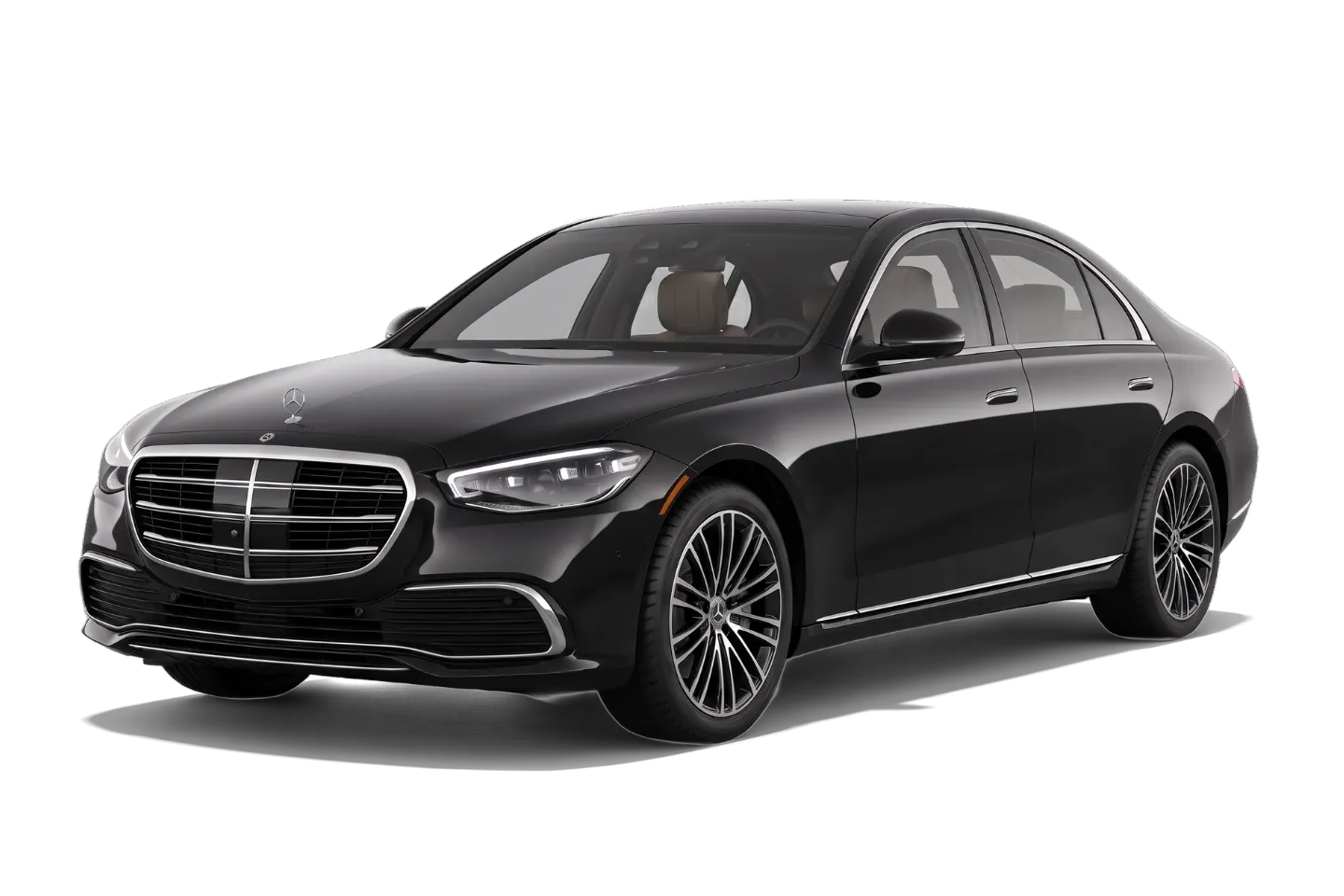
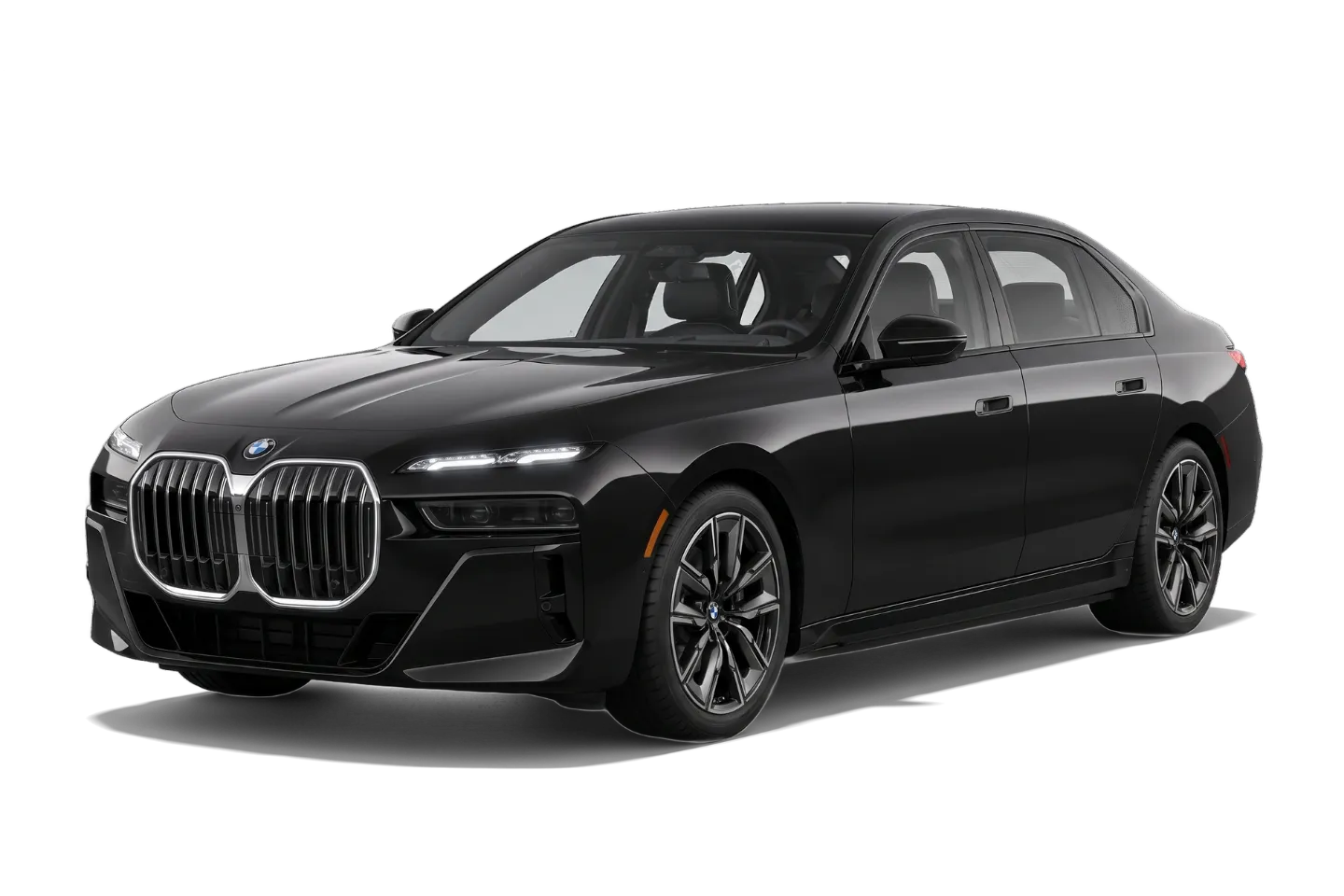
- Private car service: about $650 to $950 for a sedan carrying up to 3 passengers. Roughly 4 to 5 hours, door to door.
Why Is the Bus Usually the Cheapest?
Several bus lines compete on the New York to Washington route with departures throughout the day, and competition keeps fares low. A coach also spreads its running cost across about 50 seats.
What You Get
- Low fares, especially midweek and on early or late departures.
- Frequent service from Midtown Manhattan to Union Station or a curbside stop in Washington.
- One or two bags included by most carriers. Check the allowance.
- Power outlets and wireless internet on many coaches, with variable reliability.
What to Weigh
- Traffic: buses share I-95 and the New Jersey Turnpike with everyone else. Friday afternoons can add an hour or two.
- Stops: some services pause in Philadelphia, Wilmington, or Baltimore.
- Space: seats are narrower than on a train.
- The last mile: you still need a ride from the stop to your door.
Before choosing a carrier you have not used, look it up. The Federal Motor Carrier Safety Administration publishes safety information for travelers and trip planners, including tools for checking a bus company's record.
How Does the Train Compare?
The train runs from Penn Station in Manhattan to Union Station in Washington, city center to city center, with no highway traffic.
- Regional service takes about three and a half hours. The lowest fares appear weeks ahead and on off-peak departures.
- High speed service saves roughly half an hour and costs considerably more.
- Seats are wide, with tables, a café car, and room to walk.
- Baggage rules are generous compared with airlines.
- Trains continue into Virginia. Some regional services run on to Alexandria, Richmond, Newport News, Norfolk, or Roanoke without a change.
Booked early, a regional train can cost little above a bus and saves an hour or more. Booked the day before a holiday, it can cost several times the bus fare.
Is Flying Ever the Cheapest?
Rarely. The flight itself is short, yet the whole trip includes a ride to LaGuardia, JFK, or Newark, time at the checkpoint, boarding, and a ride from Reagan National or Dulles.
- Fares: $80 to $250 one way is common, with higher prices close to departure.
- Bags: many fares charge for checked luggage.
- Airport transfers: allow $40 to $120 at the New York end and $20 to $80 at the Washington end, depending on the airport and the mode.
- Screening: the TSA's guidance on security screening explains what to expect at the checkpoint, and you should allow time for it.
Flying makes sense when you are connecting onward, when someone else pays, or when you are heading to a Virginia city far from the rail line.
What Does Driving Yourself Really Cost?
The drive is about 225 miles by way of the New Jersey Turnpike, the Delaware Memorial Bridge, and I-95 through Baltimore.
- Fuel: roughly $30 to $45 one way in an average car.
- Tolls: roughly $40 to $65 one way, depending on your route, your transponder, and the tunnel or bridge you take out of New York. Rates change, so check before you leave.
- Parking in Washington: hotel and garage rates of $25 to $60 per night are common downtown.
- Wear on the car and the driver's fatigue, which are real even when nobody bills you for them.
With four people in the car, driving can come to $25 to $40 each before parking, which rivals the bus. For one person, it costs above the bus fare and demands four to five hours at the wheel.
Where Does a Private Car Service Fit?
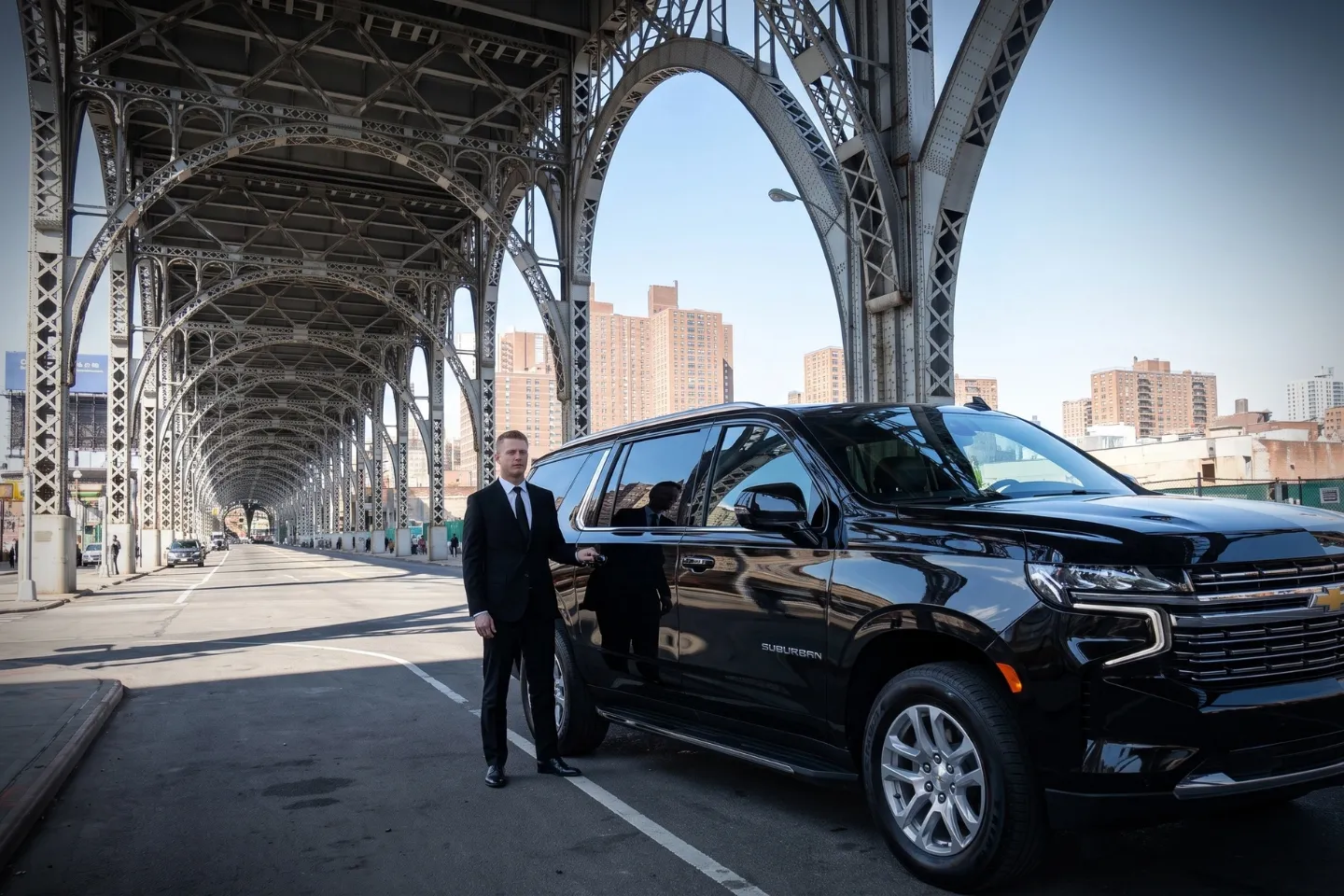
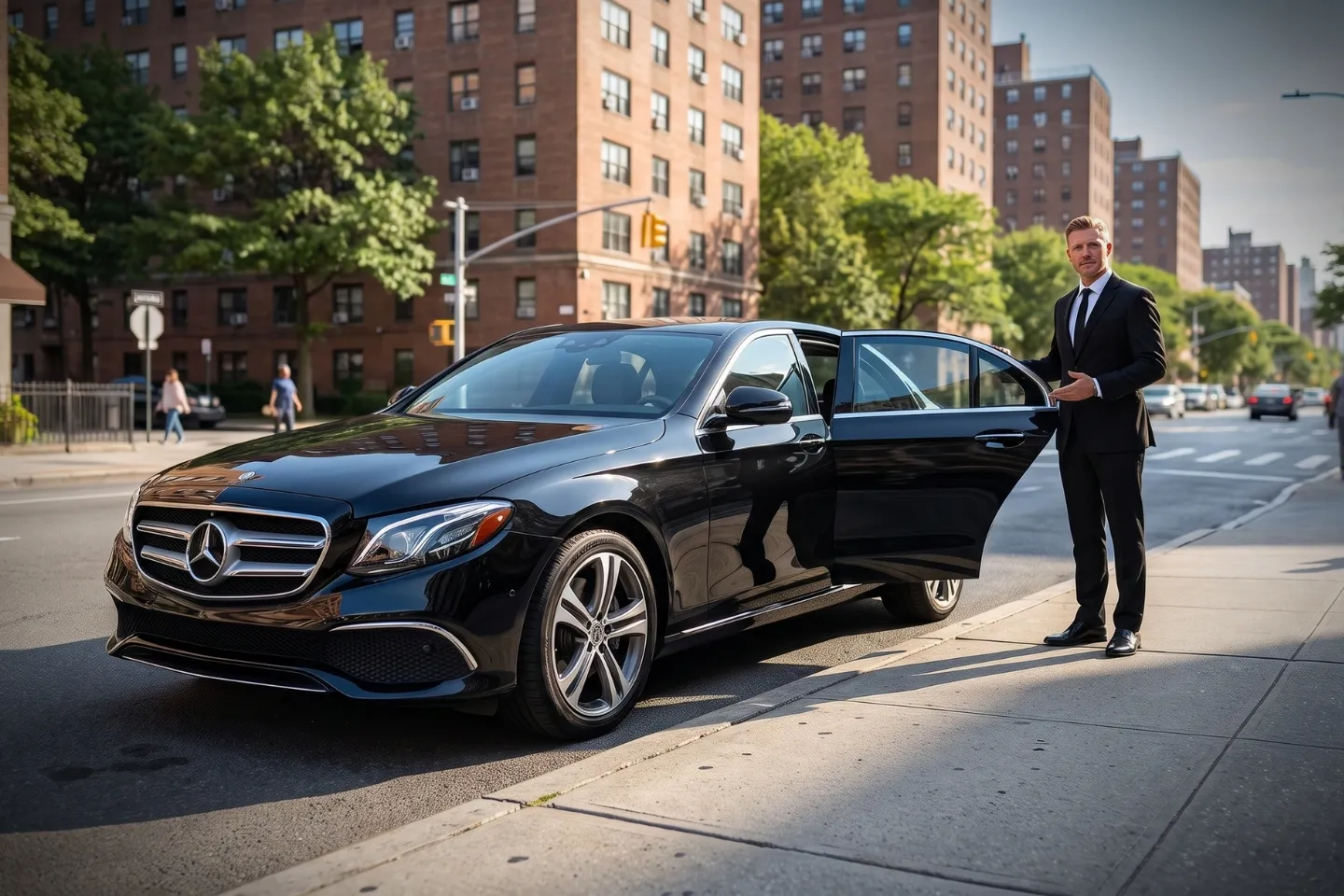
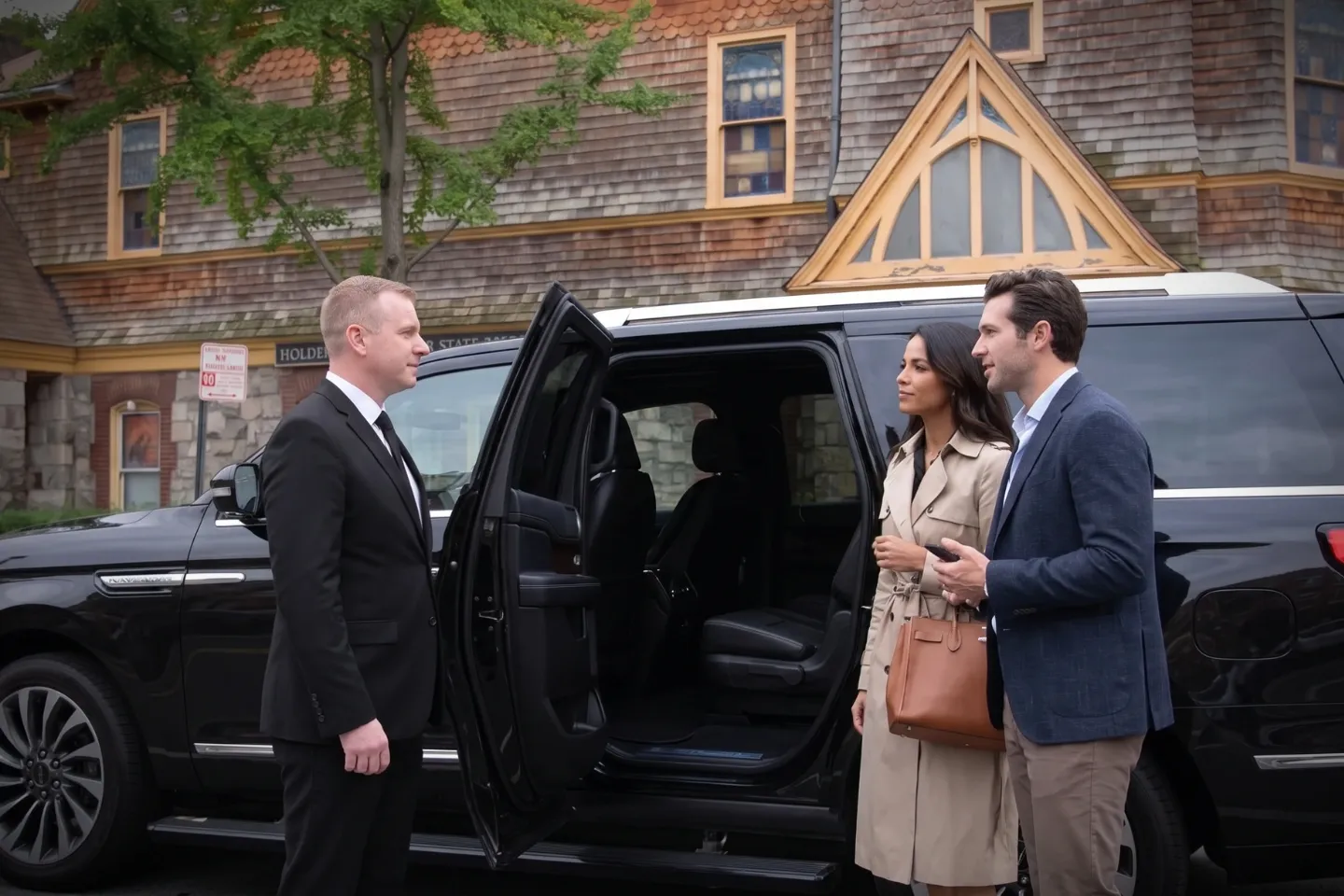
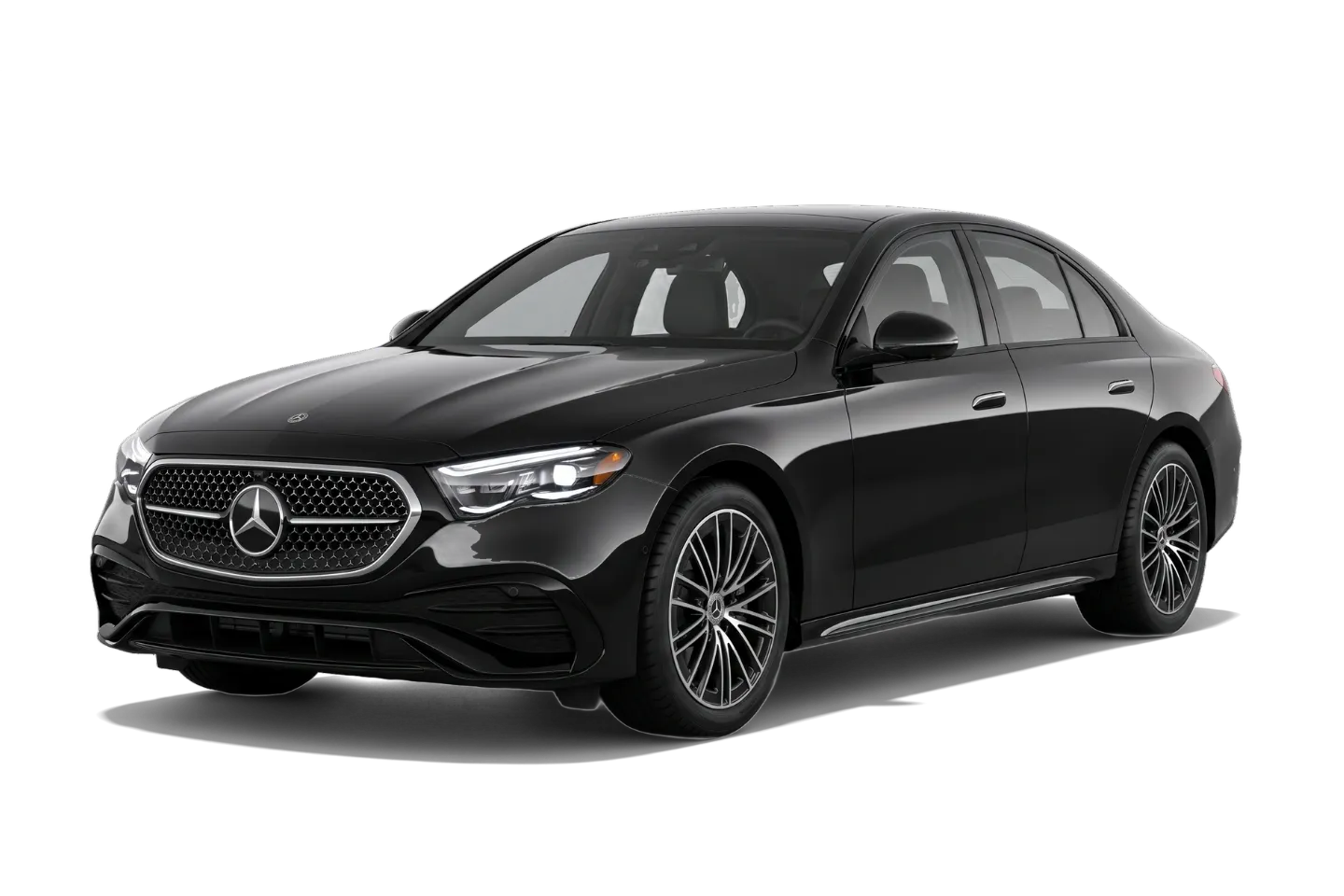
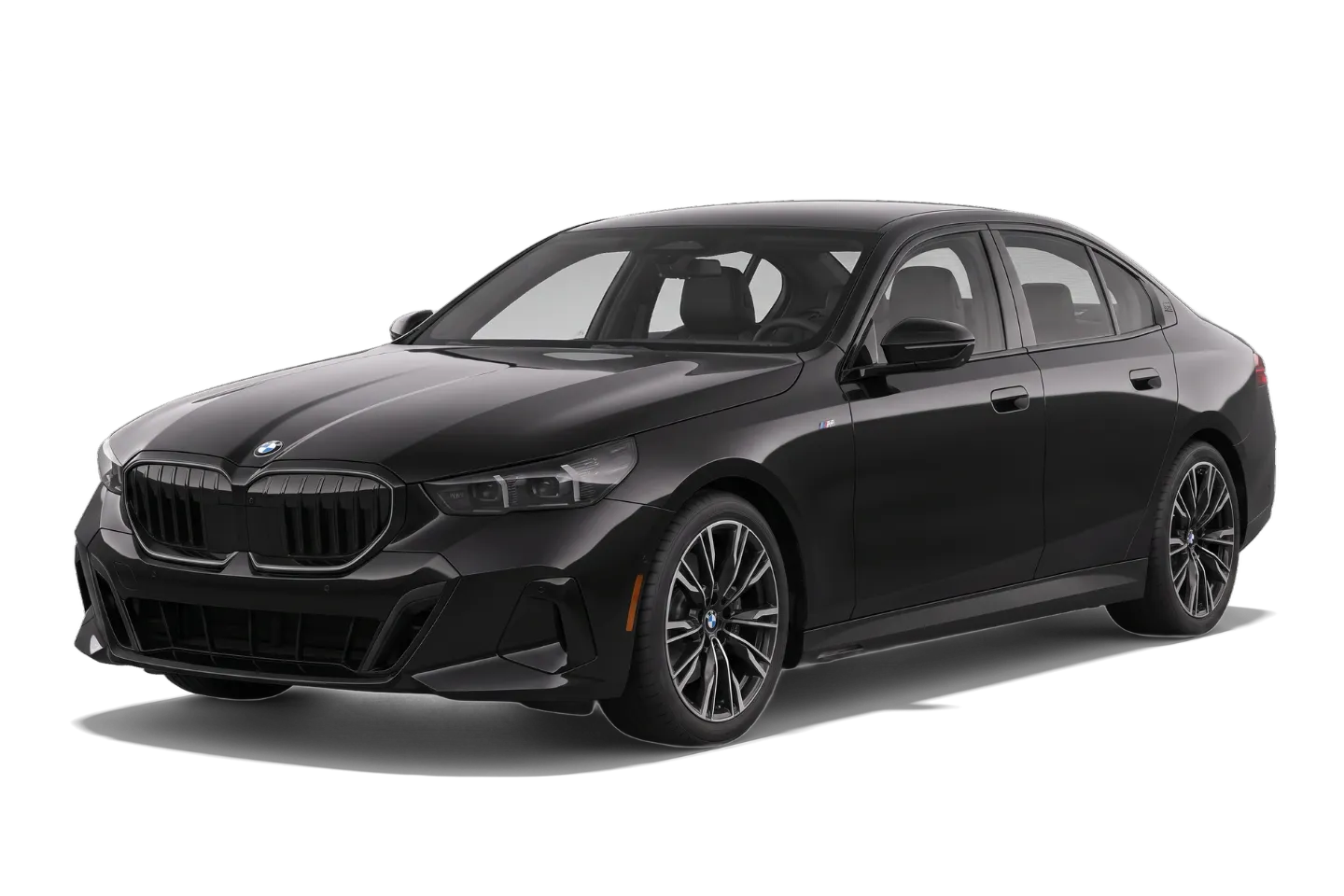
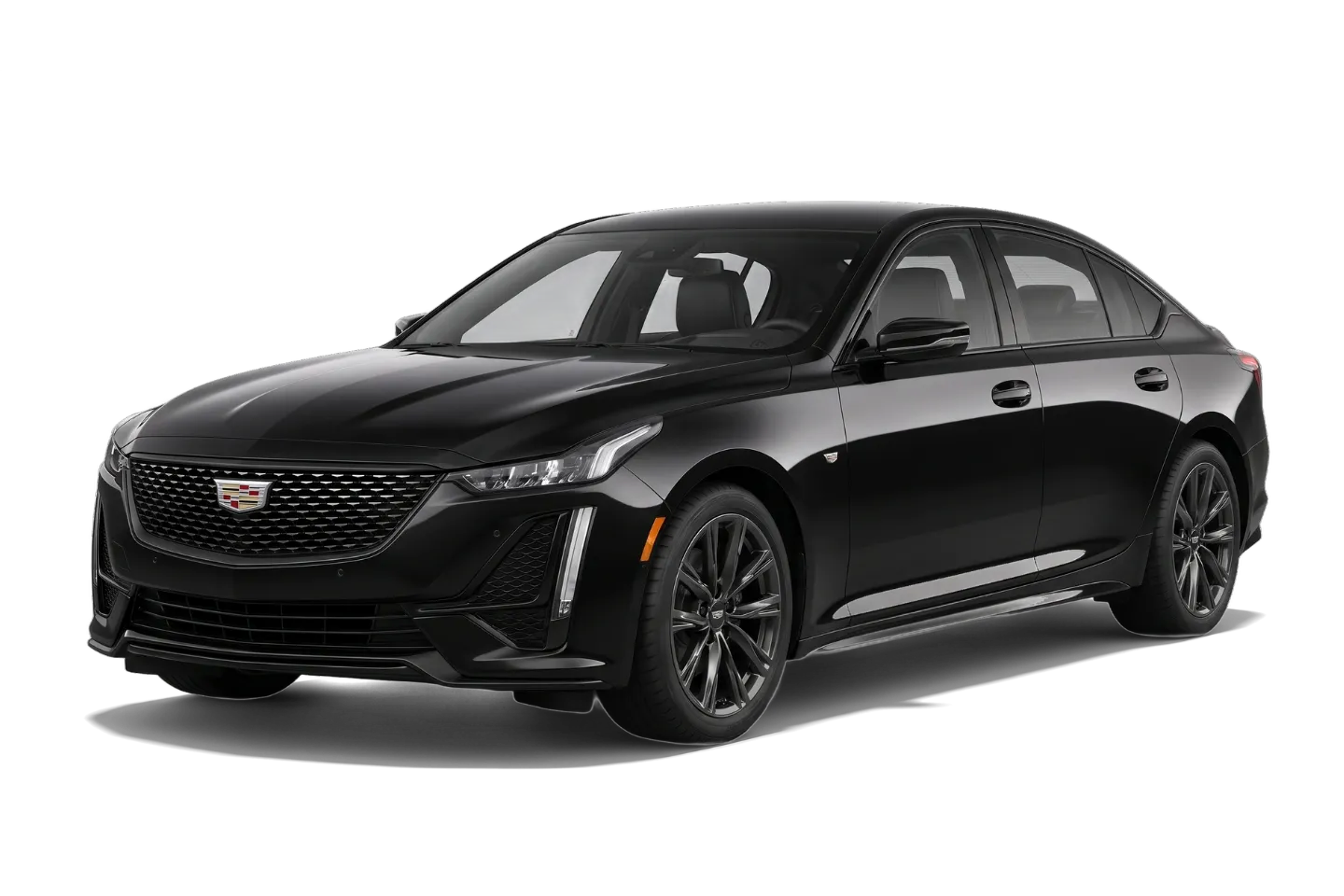
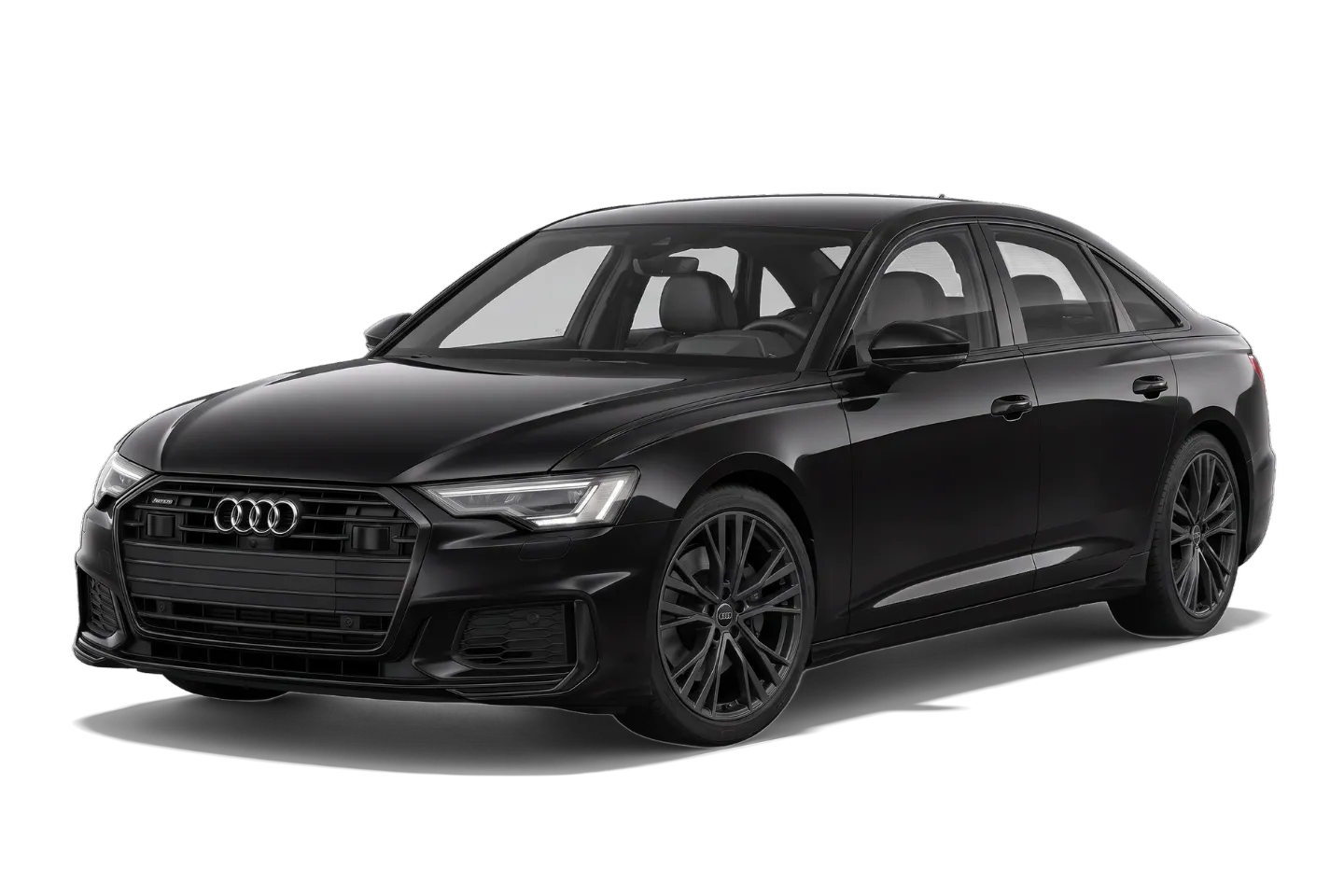
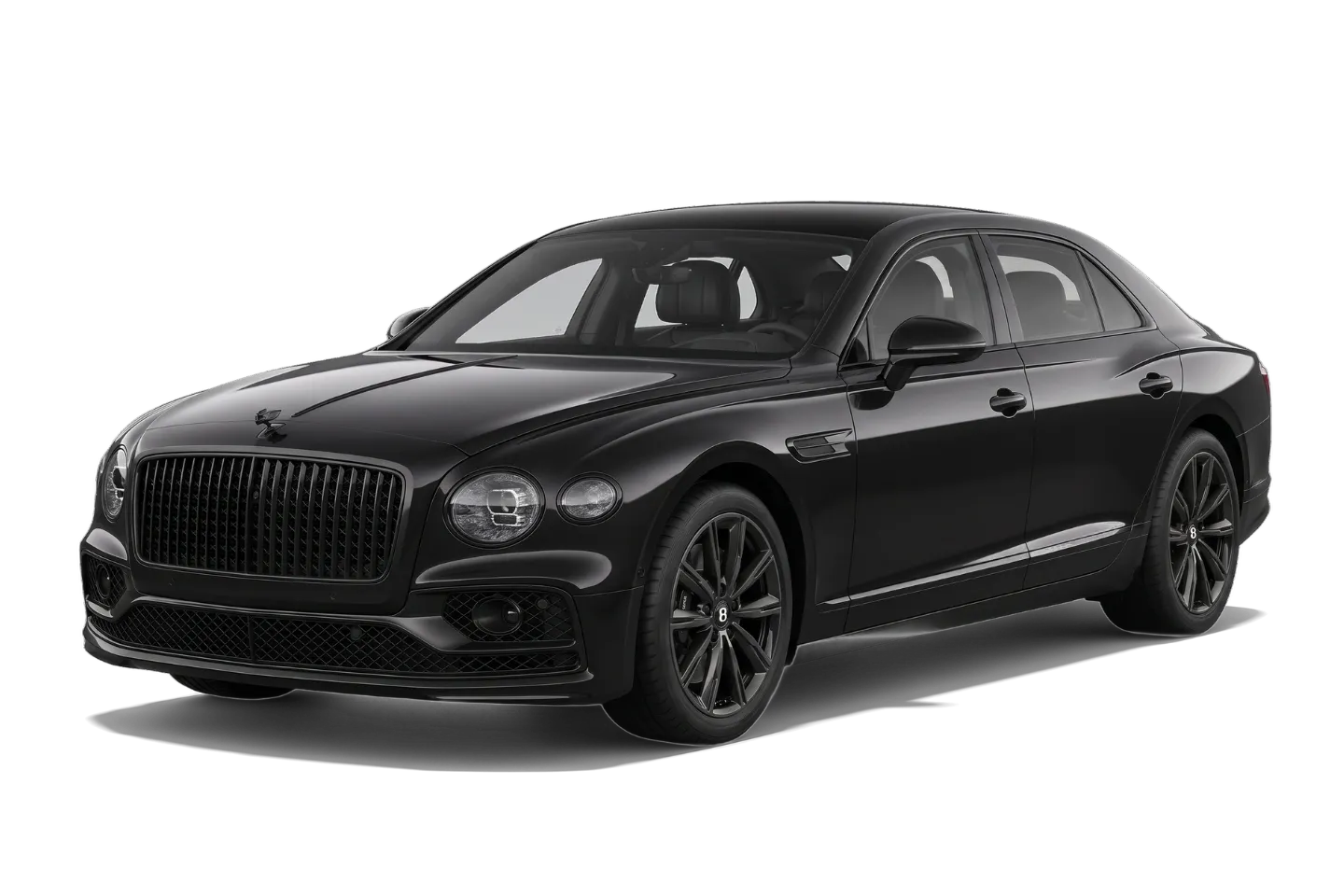
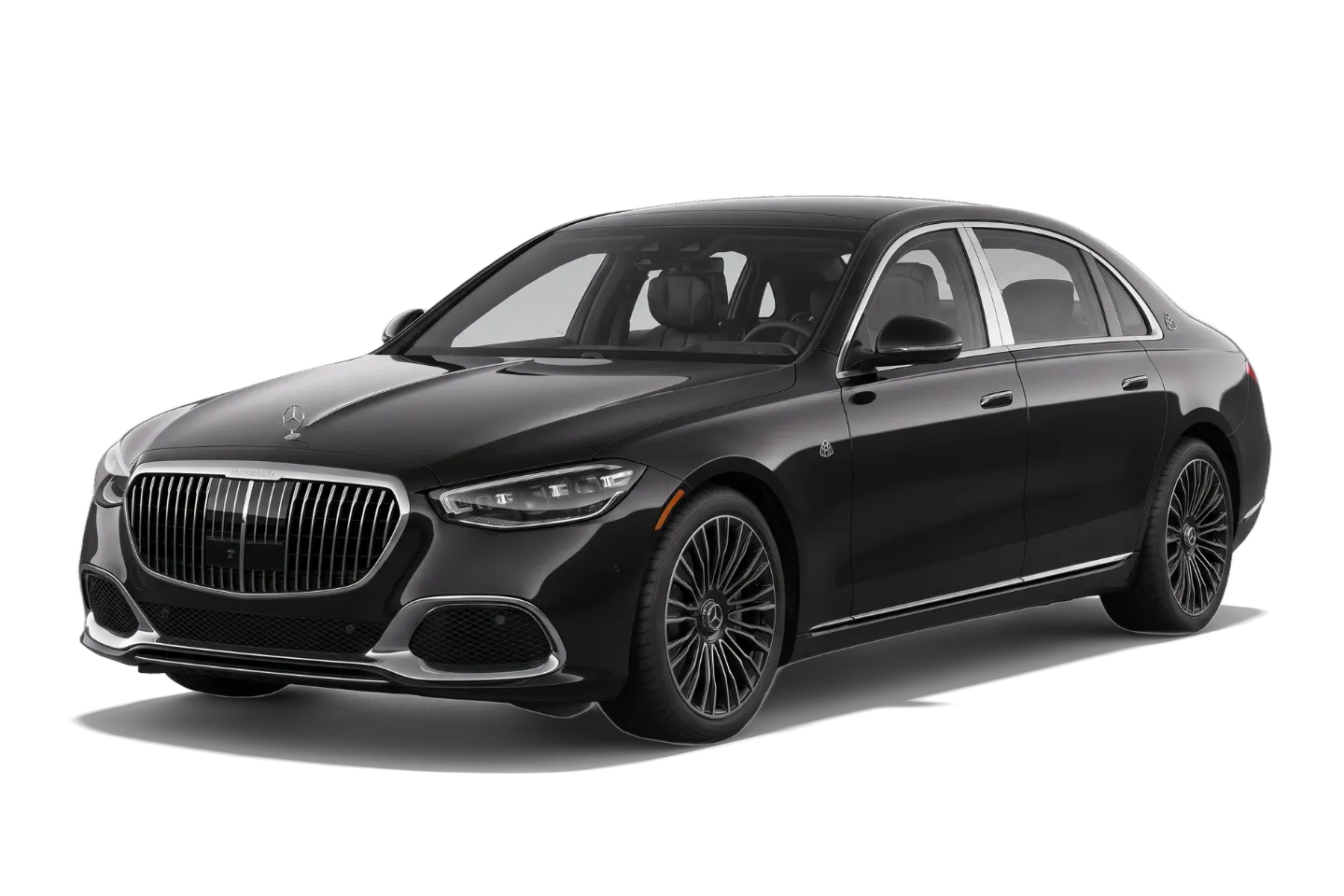
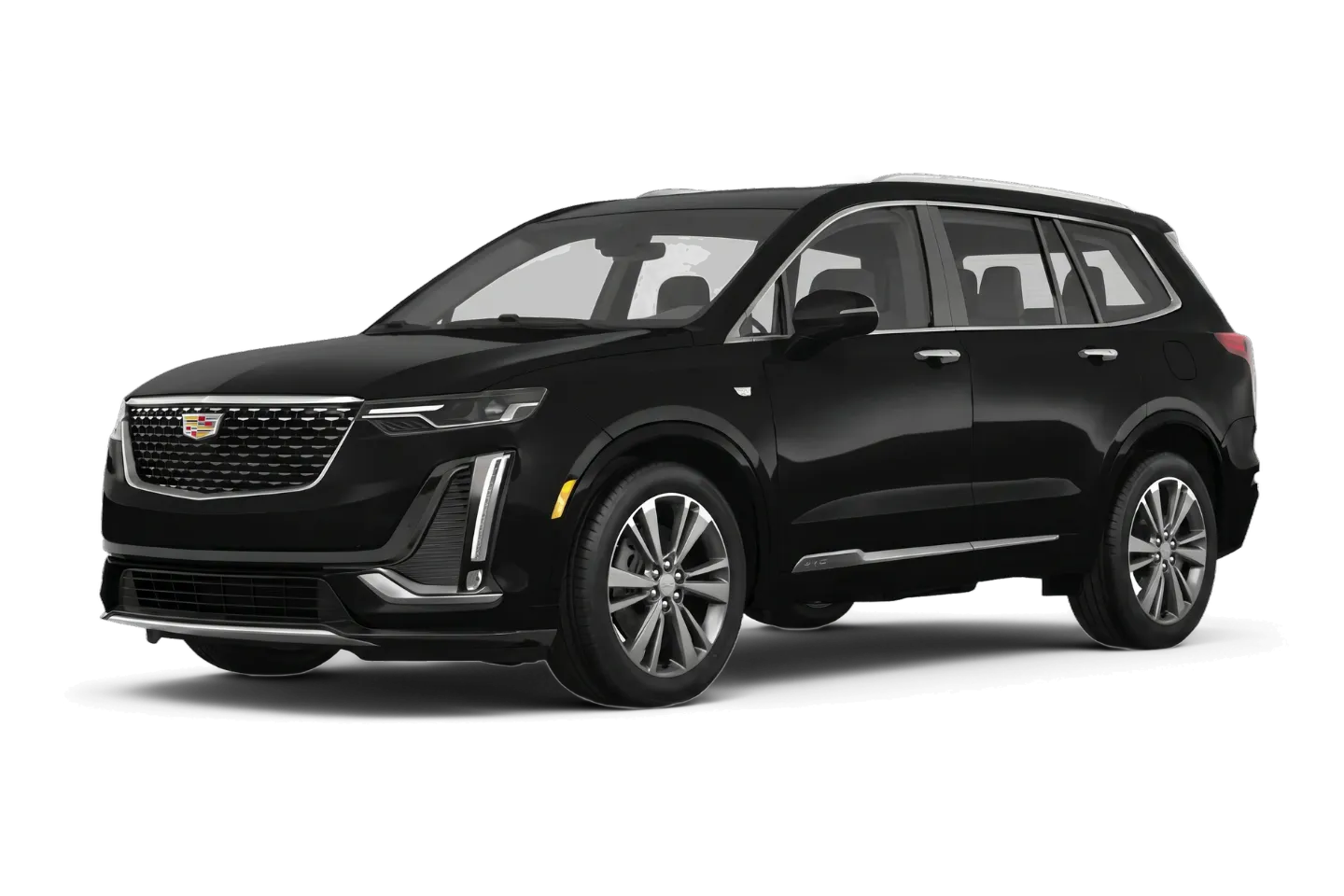
A chauffeured car is the most expensive option per vehicle. A sedan for up to 3 passengers typically runs $650 to $950 one way between New York City and Washington, with tolls and gratuity either included or listed. An SUV for up to 6 costs more, and a Sprinter van for 10 to 14 costs more again. Ask for a written, all-inclusive figure.
It earns its place in specific situations.
- Door to door travel: no rides to and from stations at either end.
- Heavy luggage, equipment, or samples.
- Working time: four quiet hours with a laptop and a phone.
- Elderly relatives or small children who find stations tiring.
- Odd hours: a 3:00 a.m. departure or a late night return.
- Destinations away from the rail line in Loudoun County, Fredericksburg, or the Shenandoah Valley.
- Groups who split the fare. Three colleagues sharing a $750 sedan pay $250 each, close to three high speed train tickets plus taxis at both ends.
We compare operators and service levels in the best private car services from NYC to Virginia and Washington, DC, and we explain mileage pricing in how much a 200 mile car service ride costs in Virginia.
Which Option Is Fastest Door to Door?
Take a traveler going from an apartment on the Upper West Side to a hotel near Dupont Circle on a Tuesday morning.
- High speed train: about 3 hours 45 minutes, including the subway to Penn Station and a short ride at the far end.
- Regional train: about 4 hours 15 minutes.
- Flight: about 4 hours, with wide variation.
- Private car: about 4 hours 15 minutes in normal traffic, with no changes.
- Own car: about 4 hours 30 minutes, plus time to park.
- Bus: about 5 hours 30 minutes.
The gap between modes is smaller than the timetables suggest. On a Friday afternoon, anything on the highway slows down while the train holds its schedule.
What Hidden Costs Should You Count?
- First and last mile rides: a taxi or app ride at each end can add $20 to $80 to a bus, train, or flight.
- Baggage fees on flights and on some low fare buses.
- Change and cancellation fees on the lowest fare classes.
- Meals bought on the way.
- Parking at the destination if you drive.
- Your time. An extra ninety minutes each way has a value, particularly on a day trip.
Add these to the ticket before you compare. A $25 bus seat with $60 in connecting rides is an $85 trip.
What Is Cheapest for Your Party Size?
- One traveler: the bus, or an advance regional train fare.
- Two travelers: two bus seats, or two early train tickets.
- Three or four with a car available: driving, if parking is free or cheap at the destination.
- Three sharing a sedan with a chauffeur: competitive with last minute high speed train fares, door to door.
- Five or six: two rows of train seats bought early, or one chauffeured SUV when the group values traveling together.
- Ten to fourteen: a Sprinter van can come close to rail fares per head and keeps the group on one schedule.
- Twenty or above: a chartered mini bus or coach usually beats individual tickets.
What Is the Cheapest Way to Reach Virginia From NYC?
Northern Virginia
Arlington and Alexandria sit across the Potomac from Washington. Take the bus or train to Union Station, then Metro. Some trains stop in Alexandria. For Tysons, Reston, or Dulles, the Silver Line runs from downtown.
Richmond
About 340 miles from Manhattan. Direct buses and regional trains serve the city in roughly six to eight hours, with fares that are usually a little above the Washington price. Flights to Richmond International take about 90 minutes in the air.
Norfolk and Virginia Beach
About 360 to 370 miles. Buses and a daily regional train reach Norfolk, and flights serve Norfolk International. Drivers choose between I-95 with I-64 and the Delmarva route over the Chesapeake Bay Bridge-Tunnel, which carries its own toll.
Charlottesville and Roanoke
A limited number of trains serve both cities each day. Buses are less frequent, so compare the train with a flight or a shared car.
From any Virginia airport, see our Virginia airport car service for the final leg.
Which Option Works Best for a Day Trip?
A same day return changes the arithmetic, since you pay twice and time matters at both ends.
- Bus: the lowest cost at $40 to $90 return, with ten to eleven hours of travel. That leaves little time in Washington.
- Regional train: about seven hours of travel in total. An early departure and an evening return give you a full working day.
- High speed train: the quickest scheduled choice, at a premium.
- Private car: the chauffeur waits or returns for you, the schedule is yours, and the day's bill for a sedan is roughly double the one-way figure. It suits a group with several stops in the Washington area.
For a day of sightseeing on a budget, an early train and a late bus home is a sensible mix.
Is an Overnight Trip Cheaper?
Late night and very early buses often carry the lowest fares of the day, and a few trains run in the small hours. You save on the ticket and may arrive tired. Travelers who can sleep on a coach find this the cheapest plan of all. If you arrive before hotel check-in, ask the front desk to hold your bags.
How Can You Cut the Cost of Each Option?
Bus
- Book one to three weeks ahead.
- Travel Tuesday, Wednesday, or Saturday.
- Choose early morning or late evening departures.
- Carry on a single bag.
Train
- Buy as early as schedules open for your date.
- Pick regional service over high speed.
- Check for student, senior, child, and military discounts.
- Avoid Friday and Sunday afternoons.
Driving
- Fill every seat.
- Use a toll transponder for the lower rate.
- Reserve parking in advance, or stay at a hotel in Arlington or Alexandria with cheaper parking and take Metro into the city.
Private Car
- Share the vehicle and fill the seats.
- Travel midweek and outside holiday periods.
- Book a round trip with the same operator and request a combined rate.
- Choose a sedan if three people and their bags fit.
- Give exact addresses and times so the quote has no surprises.
An Example: Three Colleagues, One Meeting
Priya, Marcus, and Elena must be at a client's office in Tysons, Virginia, by 11:00 a.m. on a Thursday and home in Brooklyn that night. They compare three plans.
- Bus: three seats at $35 each way come to $210. The 6:00 a.m. coach reaches Union Station around 10:45, and Tysons is another 40 minutes by Metro. They would be late, so they would need to travel the night before and pay for three hotel rooms.
- High speed train: three round trips bought four days ahead at $190 each way come to $1,140. Add about $60 for rides to Penn Station and $90 for a car from Union Station to Tysons and back. Total near $1,290, with a 5:15 a.m. start from home.
- Chauffeured sedan: a quote of $760 each way with tolls and gratuity included comes to $1,520. Pickup is at 6:15 a.m. in Brooklyn, arrival is at the client's door, and they prepare together on the way.
The bus is cheapest on paper and fails on timing. The train saves about $230 against the car and involves four connections. They choose the car for the preparation time and the direct return. A different group on a relaxed schedule would rightly pick the bus.
How Do the Options Compare on Comfort and Luggage?
- Bus: the least space. Fine for a backpack and a small case.
- Train: the roomiest seats, a café, and freedom to walk. Good for working.
- Flight: short time seated, long time in queues. Bag fees apply on many fares.
- Own car: all the luggage you can fit, and one person must drive.
- Private car: privacy, a trunk for your bags, stops when you ask, and nobody in your party at the wheel. A sedan holds about three large cases, and an SUV holds five or six.
When Do Prices Rise?
- Thanksgiving week, the busiest travel period on the corridor.
- Christmas and New Year.
- Cherry blossom season in late March and early April.
- Summer Fridays and Sundays.
- Graduation weekends in May.
- Major events in Washington, including inaugurations and large marches.
On these dates, buy bus and train tickets as early as you can, and reserve a private car two to three weeks ahead.
What Should You Check Before Booking a Car to Virginia?
A trip that crosses state lines is interstate transportation, and the carrier should hold federal operating authority, which you can look up through the FMCSA tools linked above. For rides that begin and end inside Virginia, the state DMV keeps a public list of licensed transportation services. Request a certificate of insurance and a written quote that names the vehicle, the pickup time, and the total. Compare a chauffeur with app rides for long trips in whether a private driver is cheaper than Uber in Virginia and how much a 200 mile Uber ride costs in Virginia.
How Do We Help With NYC to DC and Virginia Trips?
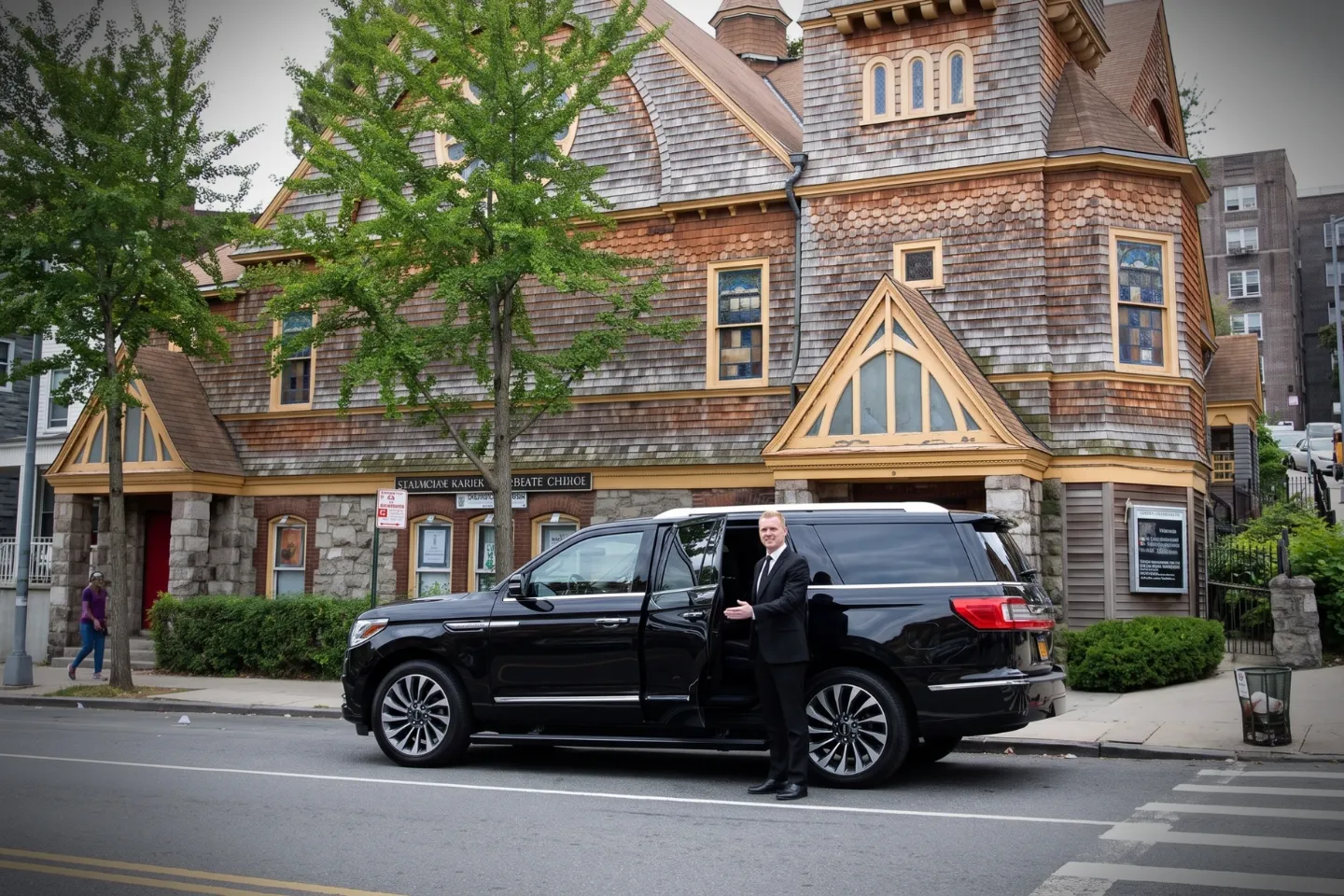
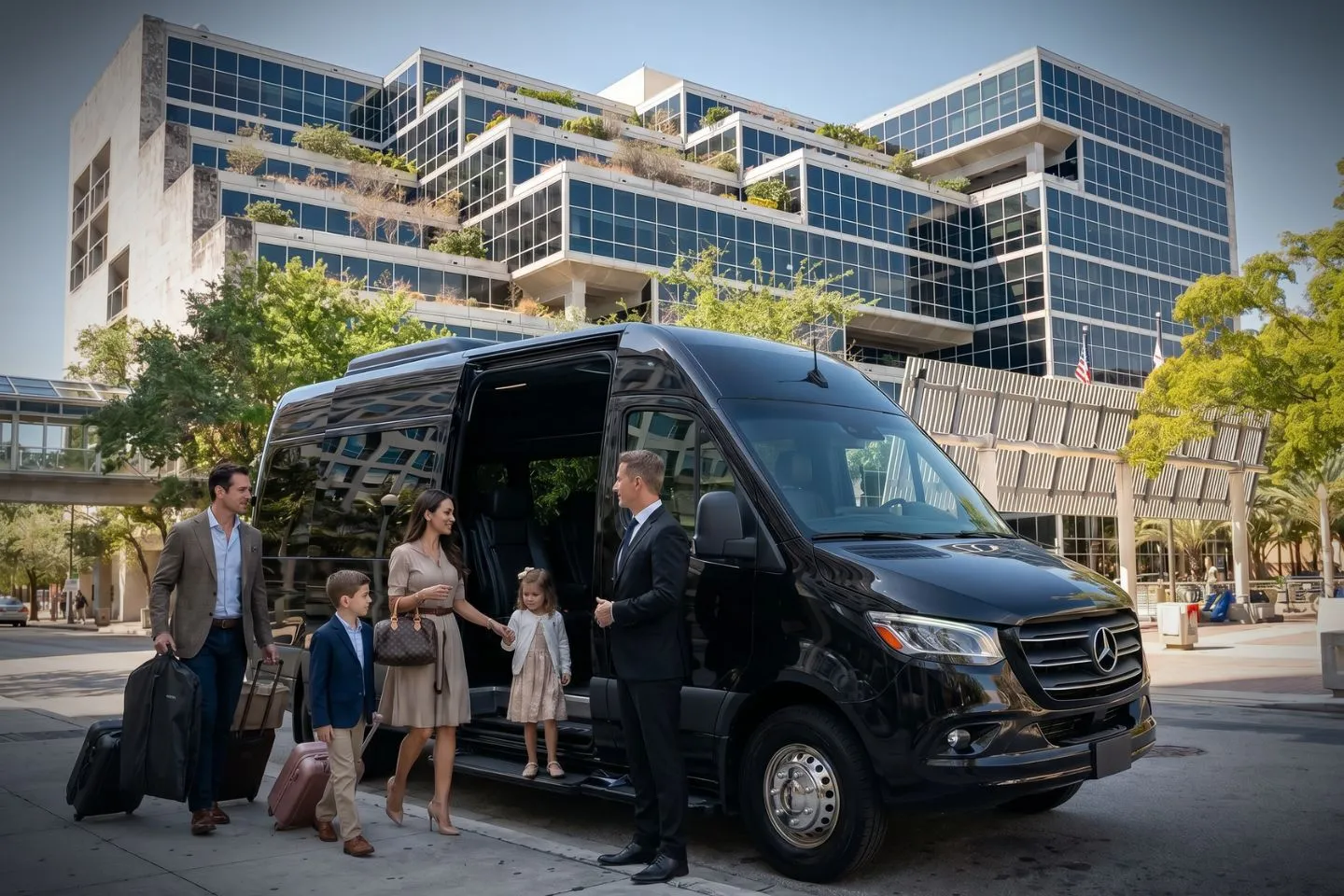
Legendary Limousine arranges sedans for up to 3 passengers, SUVs for up to 6, Sprinter vans for 10 to 14, mini charter buses for 24 to 35, and coaches for 56. View them on our fleet page.
- Flat, written quotes for long distance trips, with tolls and gratuity shown.
- Dispatch 24 hours a day at +1 (718) 221-4771.
- Flight tracking for airport pickups, with one hour of complimentary waiting.
- Professional chauffeurs. Every driver is background checked, professionally trained, and familiar with local routes.
- Honest advice. If a train suits your trip better, we will say so.
- Plain answers about the operator: our base is in Brooklyn, New York, and Virginia bookings may be performed by vetted local partners. Ask us which operator and which DMV authority cover your trip.
Compare the Totals, Then Book Your Trip
The bus is the cheapest way from NYC to Washington, DC and most of Virginia, the train is the best balance of price and time, and a private car is the most direct. Add the connecting rides and your own time to each ticket, then choose. For a door to door quote, call +1 (718) 221-4771 or contact Legendary Limousine online, and Legendary Limousine dispatchers will send a written price for your date.

Charlotte P. Trujillo
- Filmmaker
- Novelist
- Playwright & Content Editor
An experienced content writer specializing in clear, engaging, and research-driven content for digital audiences. Skilled in creating SEO-friendly website content, blog articles, service pages, and marketing copy that aligns with…