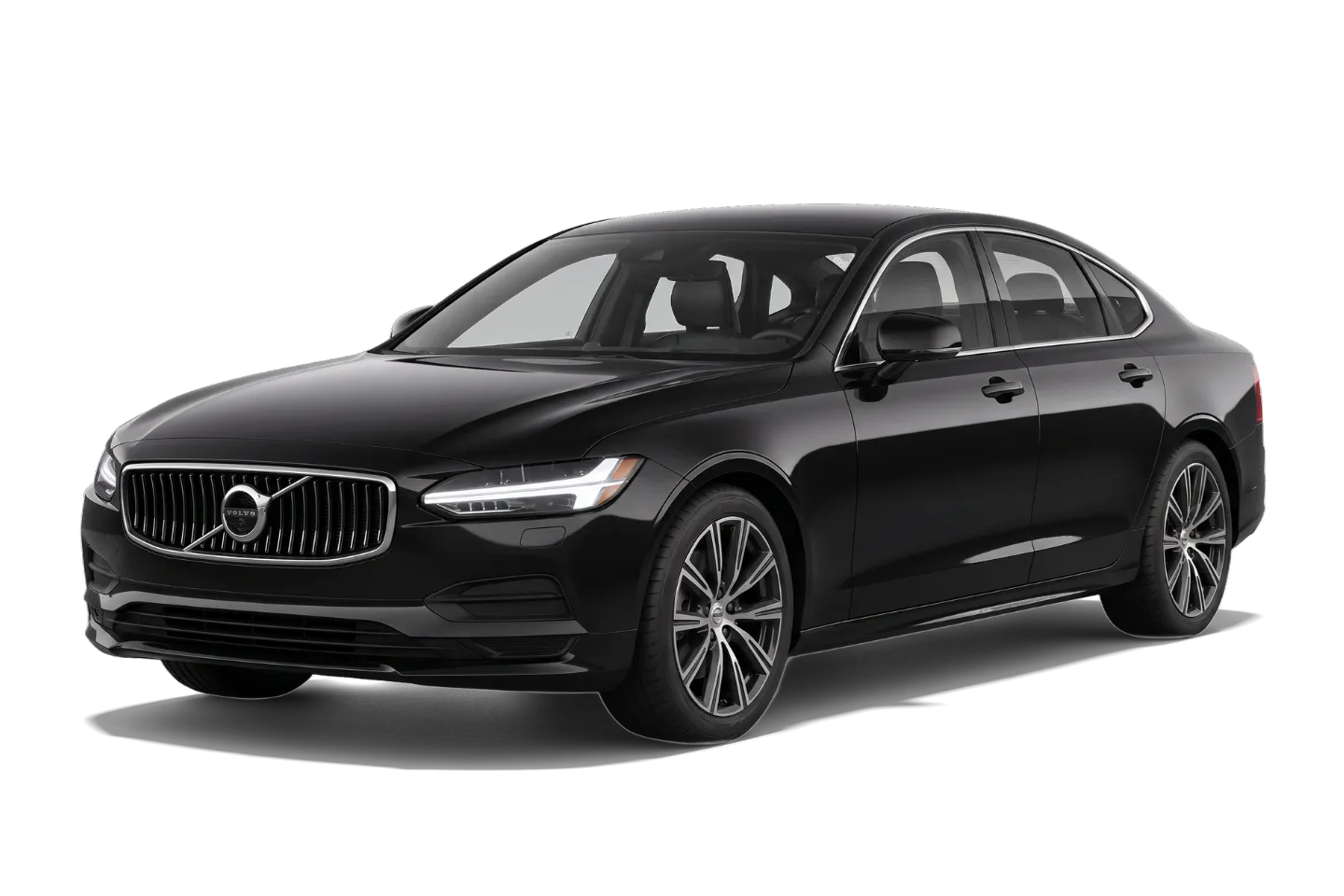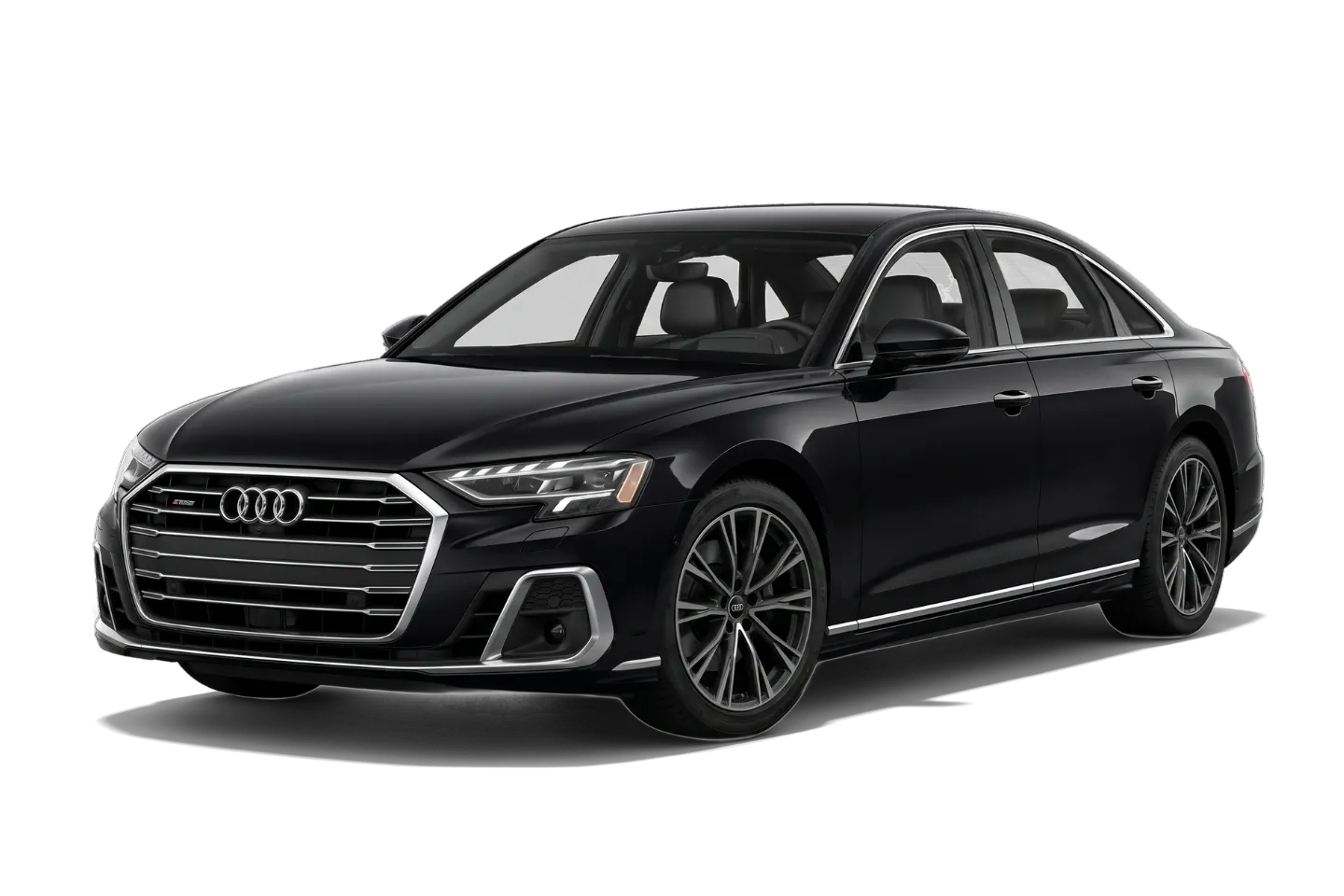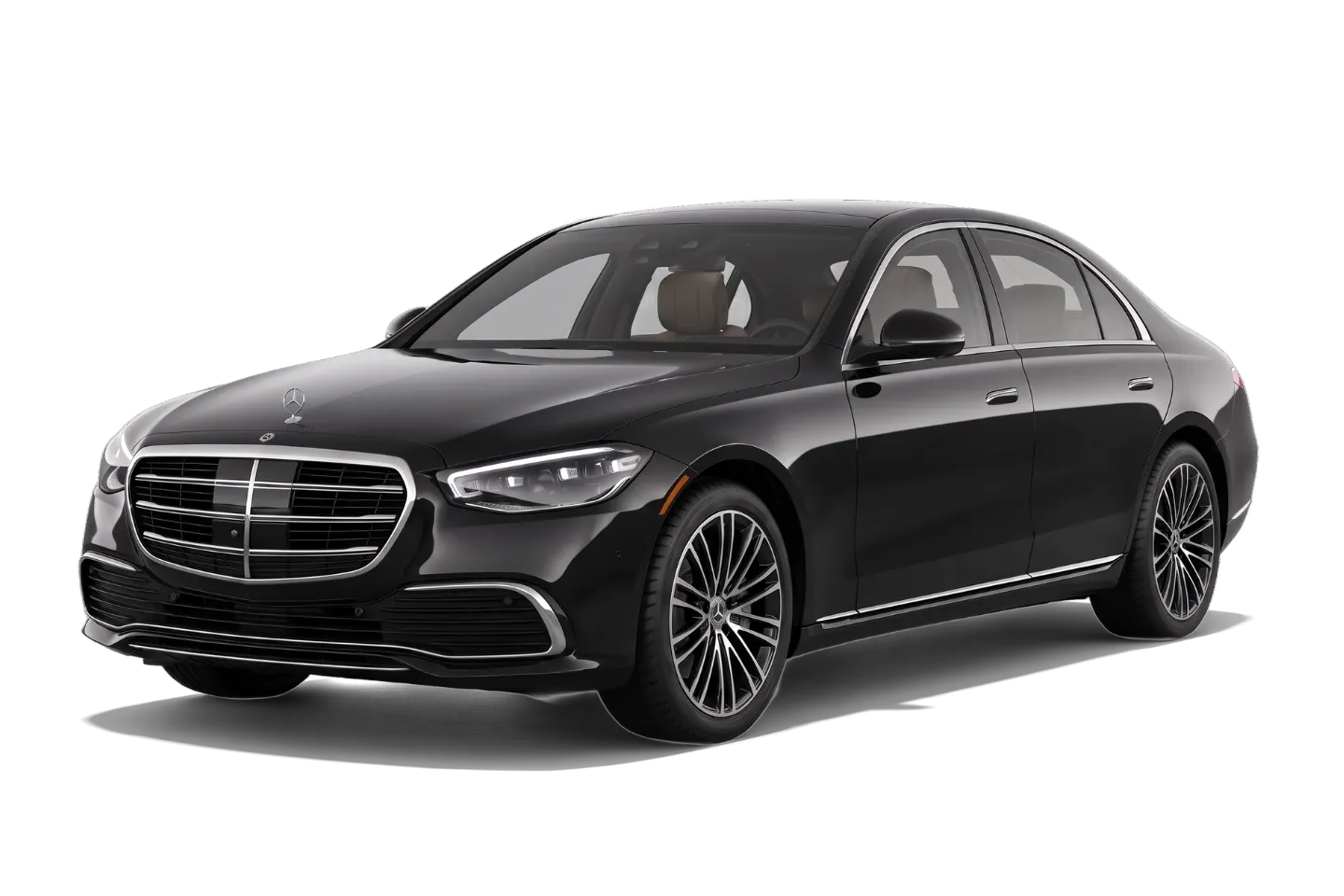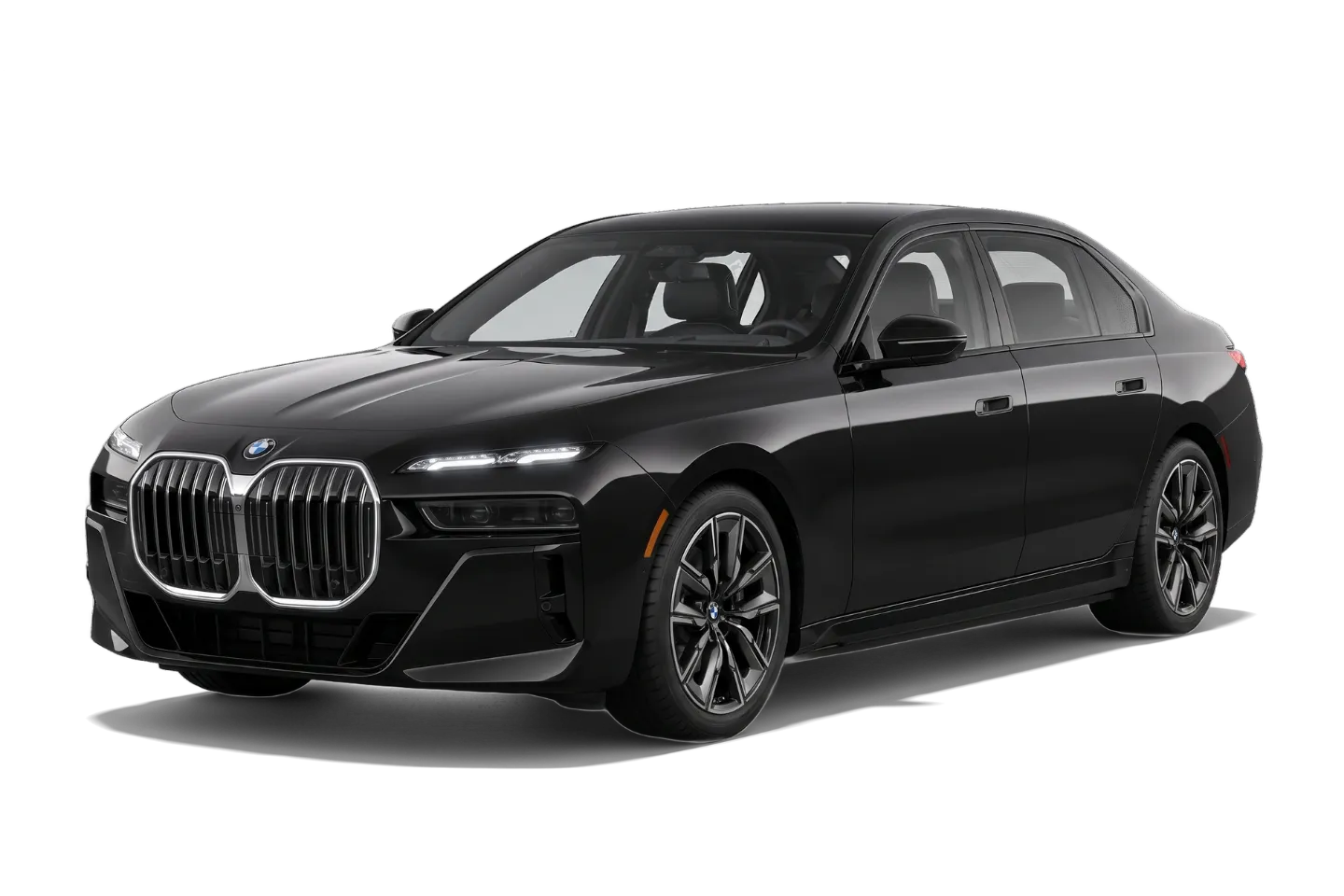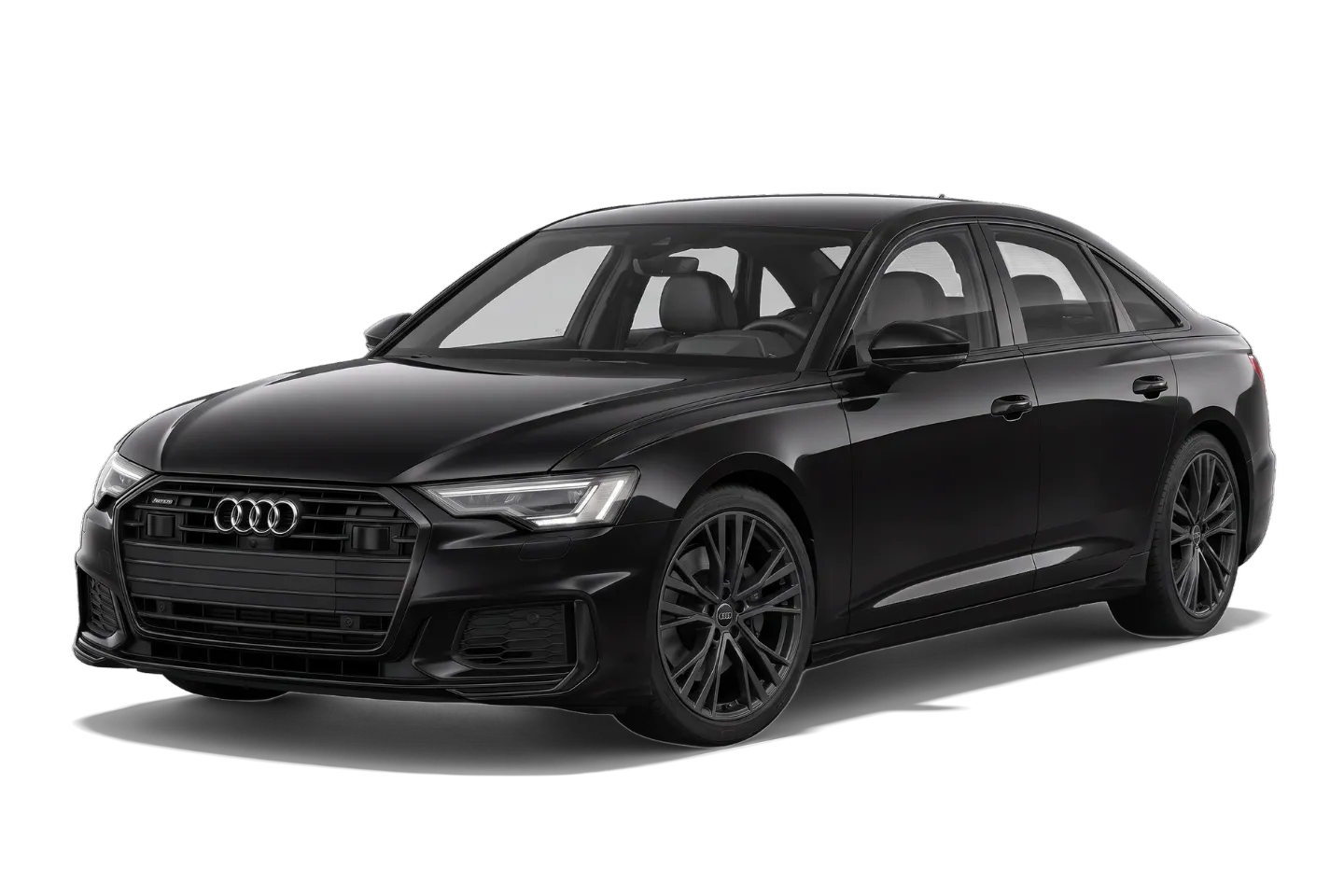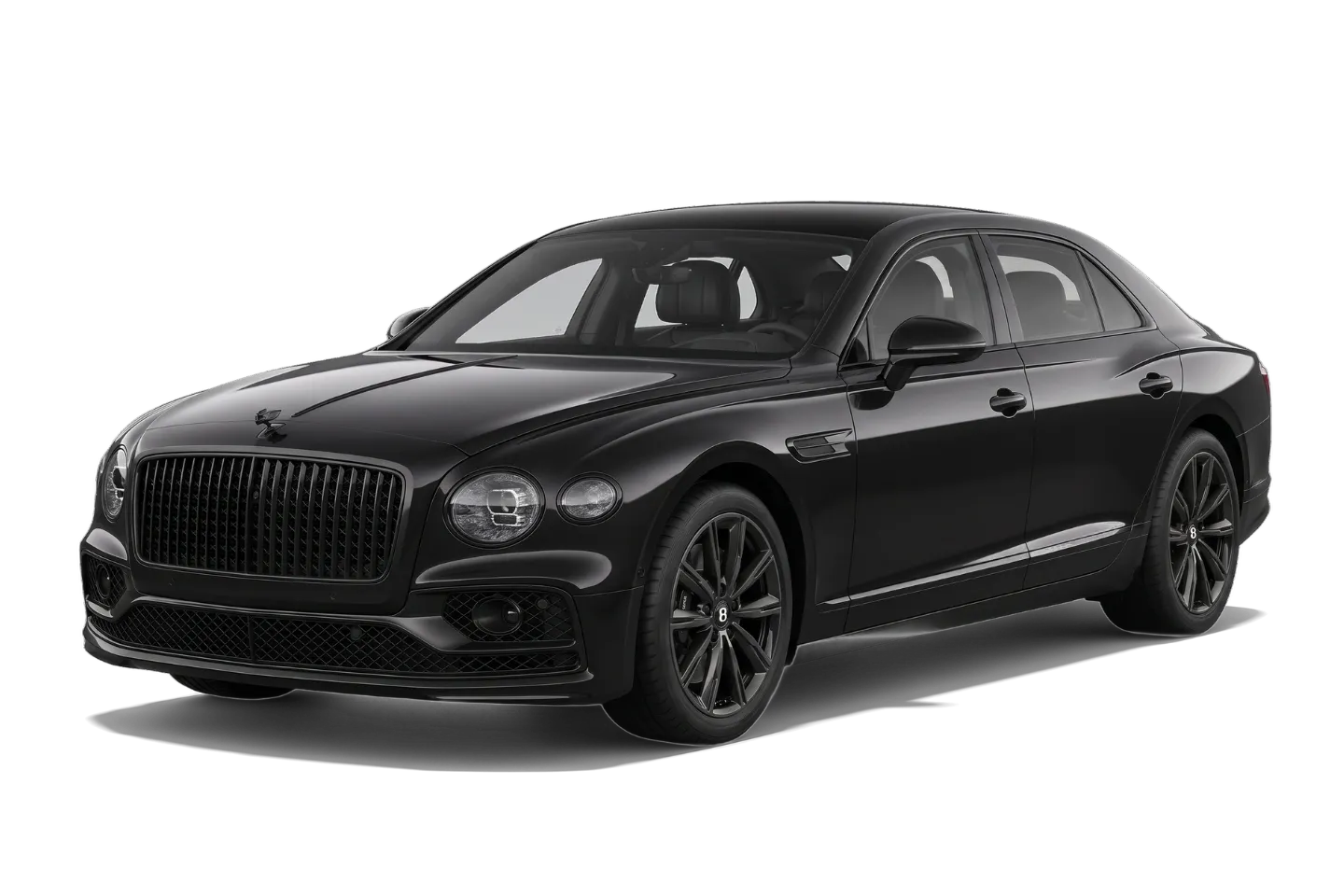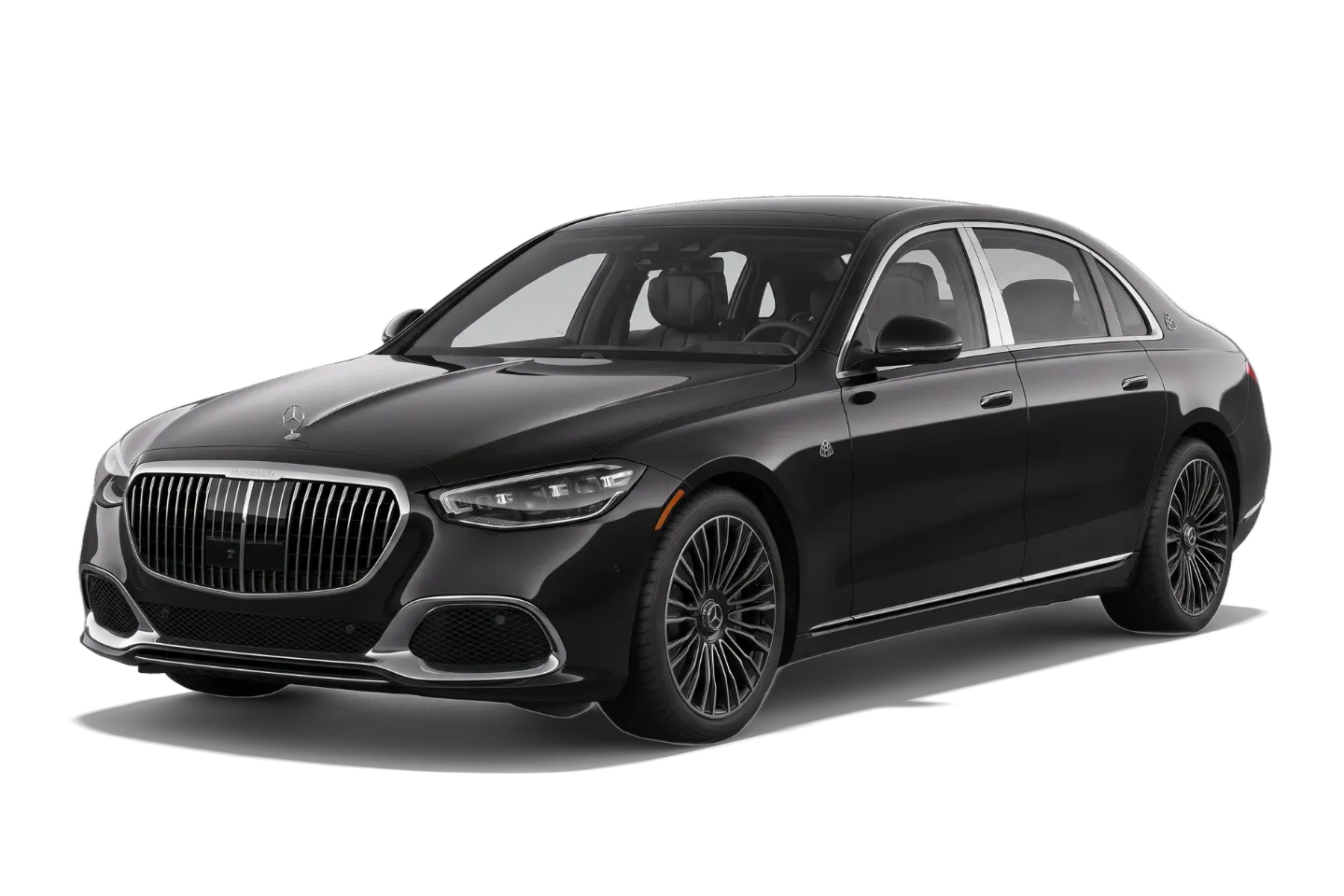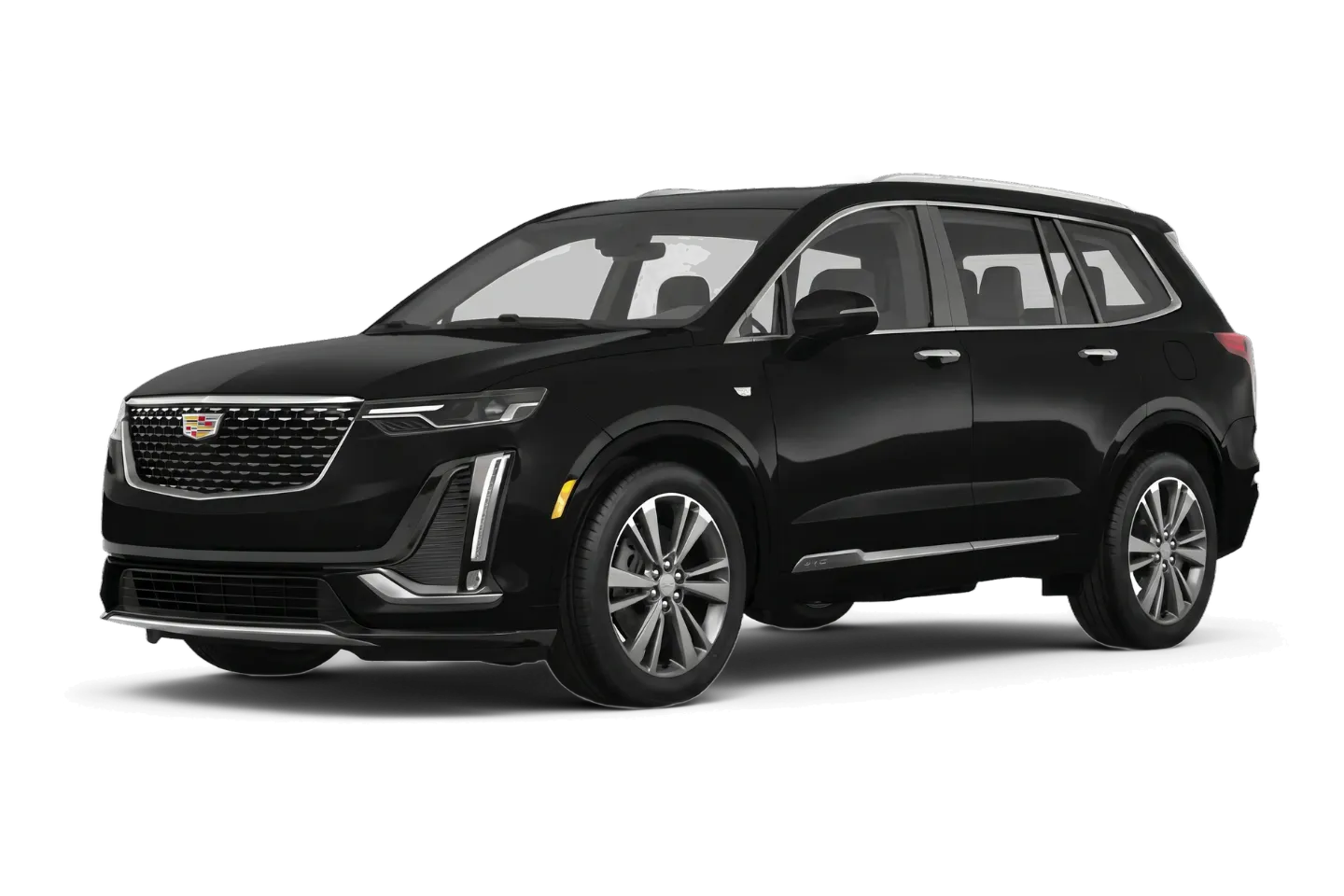
A door to door ride from Manhattan to Washington takes four to five hours and costs $650 to $950 in a sedan. View fares to seven Virginia destinations, licensing to check, and how it compares to rail.
The best private car services from NYC to Washington, DC and Virginia are the ones that hold federal interstate authority, quote a flat all inclusive fare, send a late model sedan or SUV with a professional chauffeur, and run the trip door to door without a vehicle change. In 2026, a private sedan from Manhattan to Washington costs about $650 to $950 before gratuity and tolls for roughly 225 miles, and the ride takes four to five hours. Our car service in Virginia page covers the southern end of that corridor. At Legendary Limousine, based in Brooklyn since 1997, we arrange this route regularly. This guide explains how to judge a company, what the trip costs to each Virginia destination, and how it compares with the train and the shuttle flight.
What Makes a Car Service "Best" on This Route?
A long interstate ride tests a company in ways a short airport run does not. Look for these qualities.
- Proper authority. The trip crosses New Jersey, Delaware, and Maryland on the way, so the operator needs federal passenger authority, plus the local licensing that applies at each end.
- A flat fare in writing, with gratuity and tolls either included or itemized.
- The right vehicle: a recent executive or first class sedan, or an SUV, suited to four or five hours on the road.
- An experienced chauffeur who knows the Turnpike, the Delaware Memorial Bridge, the Baltimore tunnels, and the approaches to Washington and Northern Virginia.
- Managed driver hours, so that the person at the wheel is rested.
- Dispatch that answers at any hour.
- A clear plan for the return: one way, same day round trip, or a multi day stay.
- Recent reviews that mention long distance trips specifically.
How Far Is It, and How Long Does It Take?
Distances are measured from Midtown Manhattan. Times assume ordinary traffic and one short stop.
- Washington, D.C.: about 225 miles, 4 hours to 5 hours.
- Arlington and Alexandria: about 230 miles, 4 hours 15 minutes to 5 hours 15 minutes.
- Tysons and McLean: about 240 miles, 4 hours 30 minutes.
- Dulles Airport and Reston: about 250 miles, 4 hours 45 minutes.
- Fredericksburg: about 280 miles, 5 hours 15 minutes.
- Richmond: about 340 miles, 5 hours 45 minutes to 6 hours 45 minutes.
- Charlottesville: about 340 miles, 6 hours.
- Williamsburg: about 380 miles, 6 hours 30 minutes.
- Virginia Beach and Norfolk: about 360 miles by the Delmarva Peninsula and the Chesapeake Bay Bridge-Tunnel, 6 hours 30 minutes to 7 hours 30 minutes.
Which Route Do Chauffeurs Use?
The standard path is the New Jersey Turnpike south, the Delaware Memorial Bridge, Interstate 95 through Delaware and Maryland, the Fort McHenry or Harbor Tunnel at Baltimore, and then the Baltimore-Washington Parkway or Interstate 95 into the capital region. For Northern Virginia, the chauffeur takes the Capital Beltway across the American Legion Bridge or the Woodrow Wilson Bridge. For Virginia Beach, many prefer Route 13 down the Eastern Shore, which skips Baltimore, Washington, and Richmond altogether.
What Does the Trip Cost in 2026?
Long one way trips are commonly priced at about $3 to $4.50 per mile in a sedan, since the fare covers the car's empty return. These are base estimates before gratuity and tolls.
From NYC in a Luxury Sedan, Up to 3 Passengers
- Washington, D.C.: $650 to $950.
- Arlington or Alexandria: $690 to $1,035.
- Tysons or McLean: $720 to $1,080.
- Dulles Airport or Reston: $750 to $1,125.
- Richmond: $1,020 to $1,530.
- Charlottesville: $1,020 to $1,530.
- Virginia Beach or Norfolk: $1,080 to $1,620.
In Other Vehicles
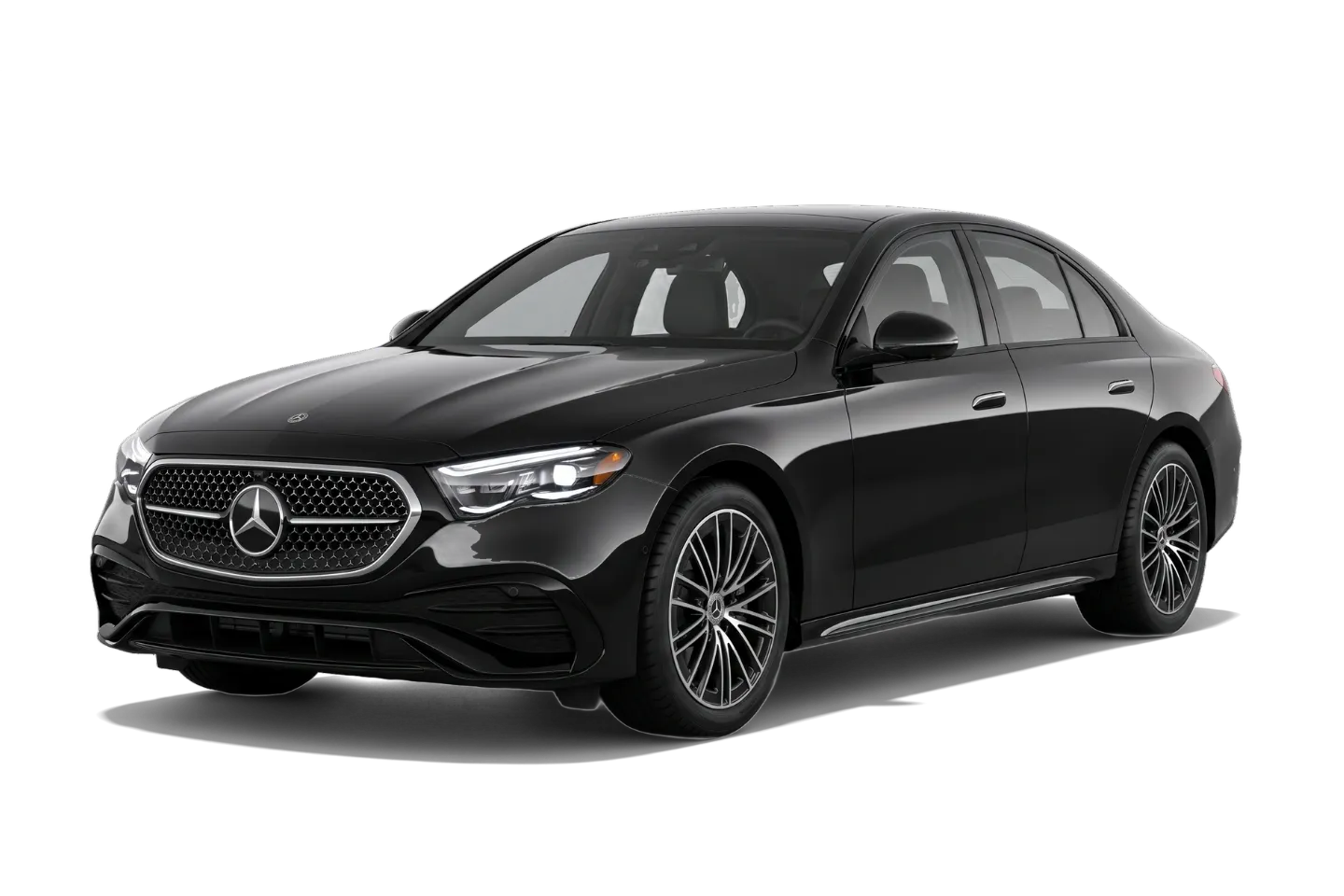
- First class sedan, such as the Mercedes-Benz S-Class: add about 10% to 15%.
- Luxury SUV, up to 6 passengers: add about 30%. Washington runs $845 to $1,235.
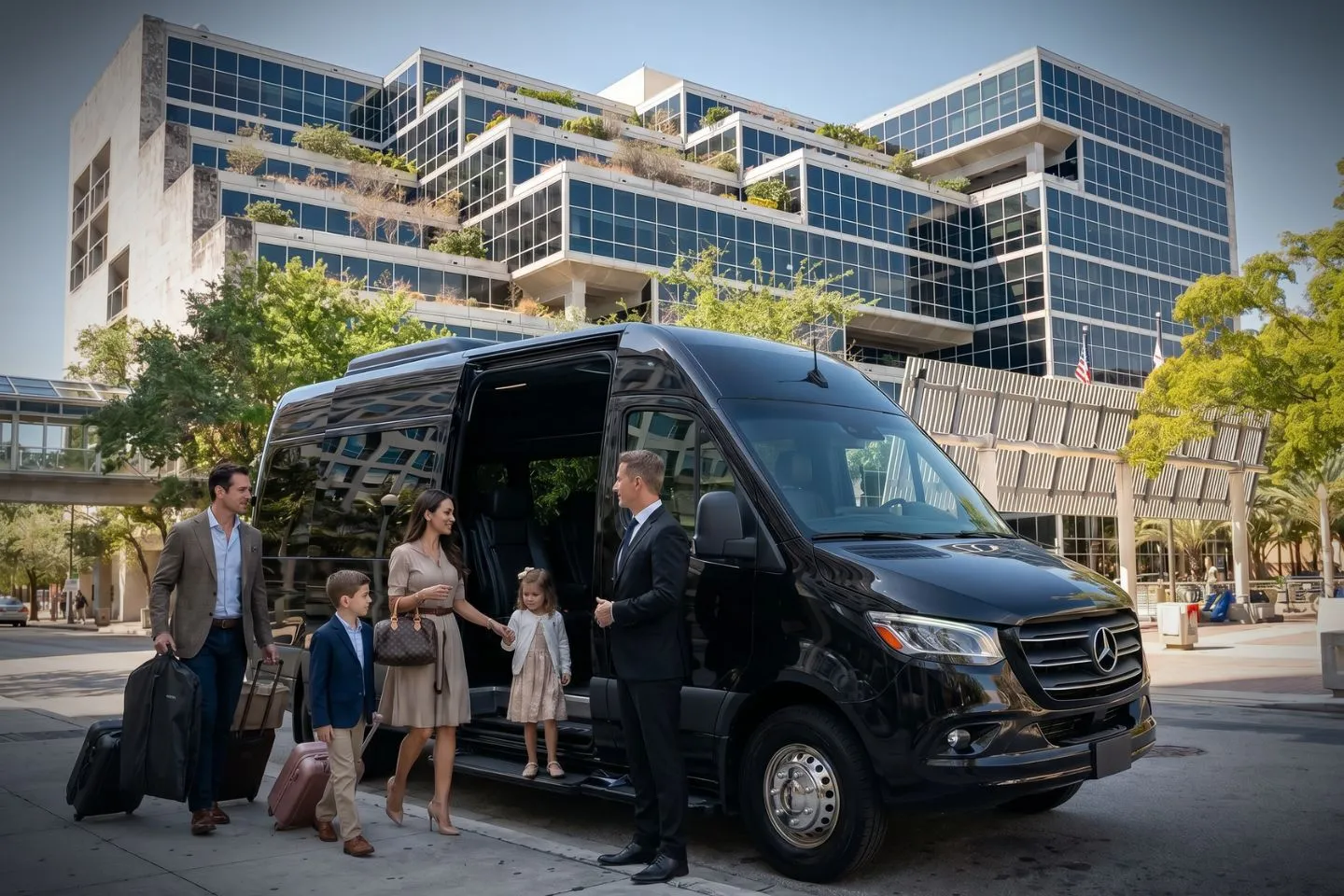
- Sprinter van, 10 to 14 passengers: about $1,100 to $1,700 to Washington.
What Is Added?
- Gratuity: 15% to 20%, often included in long distance quotes.
- Tolls: a Hudson River or Staten Island crossing, the New Jersey Turnpike, the Delaware Memorial Bridge, the Delaware and Maryland toll plazas on Interstate 95, and a Baltimore tunnel. Allow roughly $50 to $90 one way for a car, depending on the route and the hour.
- Congestion charges for pickups in the Manhattan zone, where they apply.
- Waiting time and extra stops.
All in, a sedan from Manhattan to Washington usually totals $830 to $1,230, or $277 to $410 each for three travelers.
How Does a Private Car Compare With the Train or a Flight?
Train
The rail corridor between New York and Washington is the best in the country. High speed service takes about three hours and regional trains about three and a half, from Penn Station to Union Station, with fares that range widely by demand. Several trains a day continue to Alexandria, Richmond, Newport News, Norfolk, Charlottesville, Lynchburg, and Roanoke. For one or two travelers going between city centers, the train is usually faster and cheaper.
Shuttle Flight
Flights from LaGuardia to Reagan National take about 75 minutes in the air. Door to door, with travel to the airport, security, and the ride at the other end, expect three to three and a half hours.
Intercity Bus
Scheduled coaches run frequently at low fares and take four and a half to five and a half hours.
Private Car
Four to five hours, door to door, on your own timetable. The fare is the highest for a solo traveler and competitive when three to six people share.
When Does the Car Win?
- Your start or end point is far from a station: a home in Westchester or on Long Island, or an office in Reston, Chantilly, or Leesburg.
- You are three or above traveling together.
- You have heavy luggage, exhibition materials, instruments, or samples.
- You need to work or talk privately for the whole journey.
- Trains or flights are disrupted by weather.
- You are traveling late at night or very early.
- A passenger has limited mobility, and stations are a strain.
- You have a pet, by prior agreement with the company.
- You are moving a family with children and car seats.
A Worked Comparison for Four Colleagues
Four consultants travel from an office in Midtown to a client in Reston for a 2:00 p.m. meeting.
- By train: four tickets at perhaps $90 to $250 each, a ride to Penn Station, and a 30 mile car from Union Station to Reston. Roughly $550 to $1,250 in total, about four and a half hours door to door, with two changes of vehicle.
- By air: four shuttle fares, rides at both ends, and security. Similar cost, about three and a half hours.
- By private SUV: about $975 to $1,460 base to Reston, or $1,240 to $1,830 with gratuity and tolls. Four hours and forty five minutes, with a rolling meeting the whole way and no transfers.
The SUV costs a little above the alternatives and gives the team nearly five hours of uninterrupted preparation. For a client pitch, firms often judge that worth the difference.
Which Licences Should a Company Hold?
This route crosses state lines, so federal rules apply. The carrier should have a USDOT number and active passenger operating authority, and the Federal Motor Carrier Safety Administration's safety information for travelers and trip planners shows how to look up a company's record. Local rules also matter at each end. For-hire vehicles picking up in New York City operate under the city's licensing system, the District of Columbia regulates for-hire vehicles within its borders, and Virginia licenses operators that carry passengers between points inside the state. You do not need to master the details. Ask the company one question: "Which authority and licences cover a pickup at my address and a drop off at my destination?" A professional operator answers clearly and in writing.
What Should the Booking Include?
Virginia's Department of Motor Vehicles offers sound consumer advice on choosing a limousine service: the contract should set out all the services and the particular vehicle you want, and it should give you exclusive use of the vehicle for the contract period. For a New York to Virginia trip, check that the confirmation shows:
- The date, the pickup time, and both full addresses.
- The vehicle class, and the make and model where you have requested one.
- The flat fare, and whether gratuity and tolls are included.
- Planned stops and the policy on added ones.
- The return arrangement, if any.
- Cancellation terms.
- A dispatch number answered around the clock.
When Is the Best Time to Leave?
- From New York: before 6:30 a.m. or between 10:00 a.m. and 1:00 p.m. Leaving at 4:00 p.m. on a weekday can add an hour before you clear New Jersey.
- Into Washington and Northern Virginia: avoid arriving between 3:30 and 7:00 p.m., when the Beltway and Interstate 66 are slowest.
- Fridays and Sundays: the whole corridor is heavy from noon onward. Travel early.
- Holiday weekends: Thanksgiving Wednesday and the Sunday after are the worst days of the year. Add one to two hours, or travel a day earlier.
- Summer: beach traffic slows Delaware and the Eastern Shore on Fridays and Saturdays.
Should You Book One Way or a Round Trip?
- One way: the standard booking. The fare covers the car's return.
- Same day round trip: possible to Washington with a short stay, though the day runs 12 hours or longer, so the company will assign a second chauffeur for the return or price an overnight.
- Overnight or multi day: the chauffeur stays, and you pay a daily minimum for the vehicle plus lodging and meals of about $150 to $250 per night. This suits visitors who also need local driving in Virginia.
- Two one way trips: the simplest plan when your return is several days later.
Ask for each option to be priced. Pricing by distance is explained further in how much a 200 mile car service ride costs in Virginia.
Which Vehicle Is Best for Five Hours?
- One or two travelers: a first class sedan such as the Mercedes-Benz S-Class, for rear legroom and a quiet cabin.
- Three travelers: an executive sedan with light luggage, or an SUV with full bags.
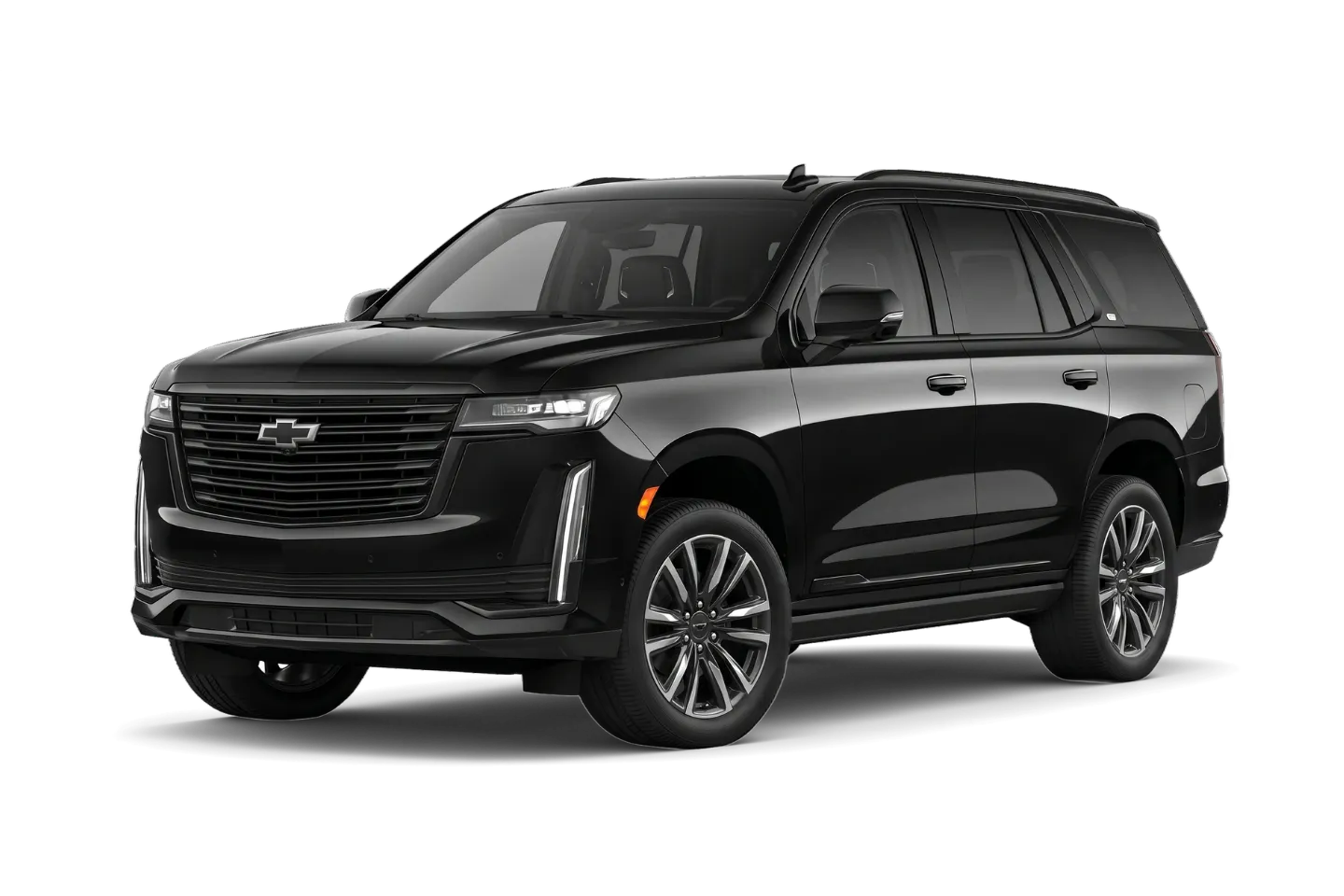
- Four to six: a luxury SUV such as the Cadillac Escalade.
- Seven to fourteen: a Sprinter van, ideally with captain's chairs and tables.
Request chargers, Wi-Fi if you plan to work, and bottled water. What the service involves is described in what black car service means in Virginia.
What Is the Ride Like?
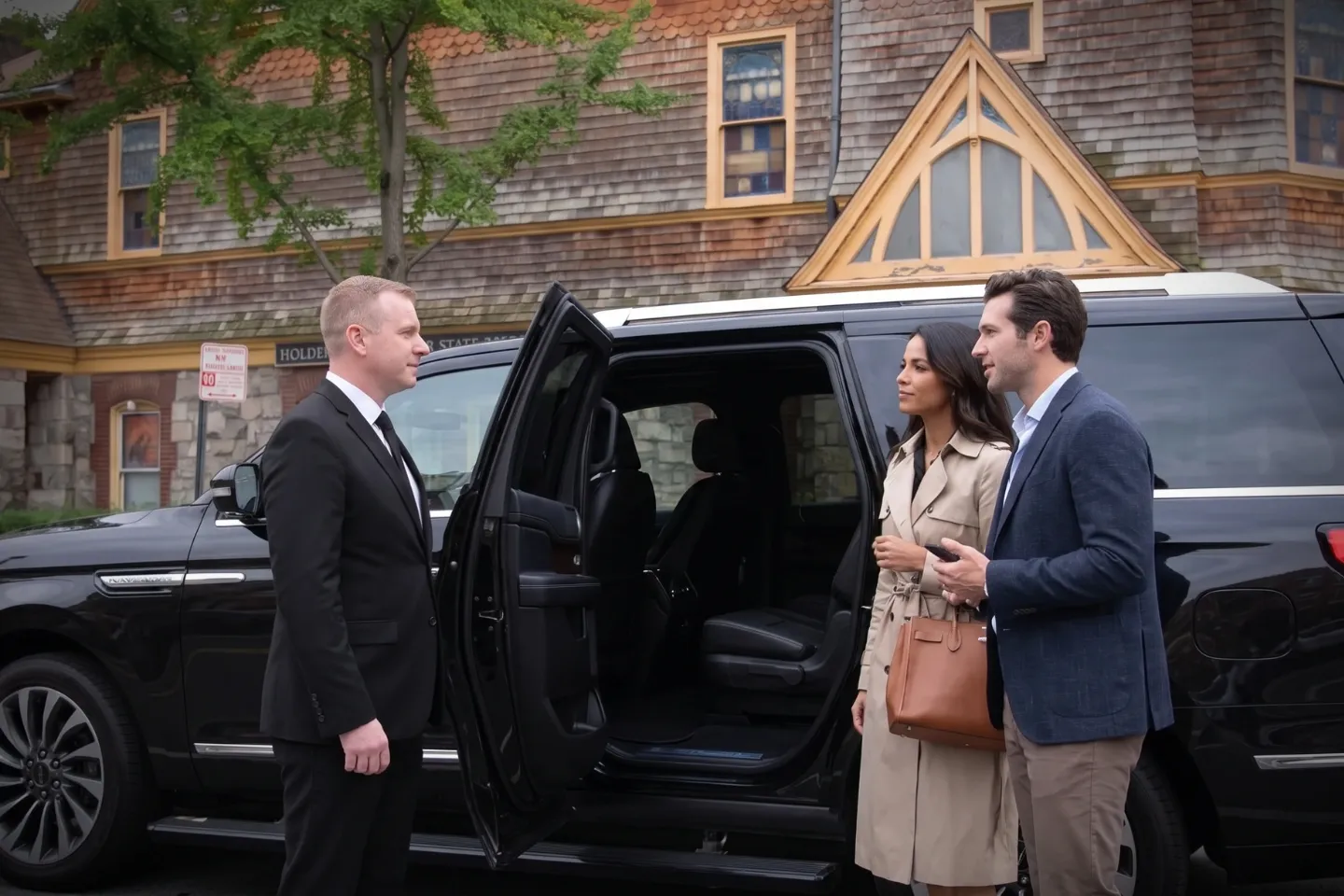
A typical one way trip includes a single stop of 10 to 15 minutes, often at a service area in Delaware or Maryland. The chauffeur handles the luggage, sets the temperature, and keeps conversation to your preference. Mobile coverage is good along the whole corridor, so calls and video meetings work. Many travelers treat the first two hours as work time and the last two as rest.
What Happens in Bad Weather or After an Accident on the Turnpike?
The corridor is long, with roadworks or an incident on most days at one point or another. A flat fare means that a two hour delay near Baltimore costs you time and no extra money. Dispatch watches the route and can send the chauffeur by an alternative, such as Route 301 across the Chesapeake Bay Bridge when Interstate 95 is blocked in Maryland. In winter storms, companies may move the departure earlier or later by agreement. Snow closes airports and slows trains as well, and a car that leaves when the road clears is often the first way through. Build a margin of an hour into any trip with a fixed appointment at the far end.
Can the Car Make Stops Along the Way?
Yes, by arrangement. Common requests include collecting a colleague in New Jersey, a lunch stop in Philadelphia or Wilmington, a drop at Baltimore's airport, or a second passenger delivered to Arlington before the car continues to Tysons. Each stop adds time, and stops that add distance may add to the fare, so list them when you ask for the quote.
Who Books This Route?
- Law, finance, and consulting teams with clients in both markets.
- Government contractors traveling between New York offices and the Dulles corridor.
- Families visiting relatives or moving students to universities in Virginia.
- Diplomatic and United Nations staff traveling to embassies and agencies.
- Performers and production crews with equipment.
- Travelers with disrupted flights at LaGuardia, Kennedy, or Newark.
- Older passengers who prefer a single seat from door to door.
- Wedding guests heading to vineyards near Charlottesville and Middleburg.
How Can You Reduce the Fare?
- Fill the car. Three in a sedan or six in an SUV divide the fare.
- Ask about a back haul. A company with a car already heading your way may discount the seat miles.
- Travel off peak, midweek and midday.
- Combine modes: train one way, car the other.
- Choose an executive sedan when it fits.
- Book both directions with one company at a package price.
- Get the total in writing, including tolls.
What Mistakes Should You Avoid?
- Booking an operator without interstate authority.
- Comparing base fares when one includes tolls and gratuity and another does not.
- Leaving Manhattan at rush hour.
- Assuming an app driver will accept a five hour trip, or wait for your return.
- Choosing a sedan for four adults with luggage.
- Forgetting the chauffeur's hours on a same day return.
- Not confirming the drop off details for a secure federal building or a military installation, where visitor procedures apply.
How Do You Tip on a Long Interstate Trip?
The custom is 15% to 20% of the base fare, which is $100 to $190 on a sedan to Washington. Many long distance quotes include it. Businesses that reimburse gratuities can refer to the IRS guidance on tip recordkeeping and reporting.
How Do You Choose Among Companies?
Send the same request to two or three operators and compare the replies on authority, total price, vehicle, and the confidence of the answers. A company that asks about your luggage, suggests a departure time, and explains its plan for the driver's return is showing its experience. Our checklist is in which company has the best car service in Virginia. For local airport rides once you arrive, see our Virginia airport car service.
What Do We Offer on This Route?
Legendary Limousine is based in Brooklyn and arranges private cars from all five boroughs and the New York airports to Washington and destinations across Virginia, in sedans for up to 3 passengers, SUVs for up to 6, and Sprinter vans for 10 to 14. See them on our fleet page.
- Flat, written fares with tolls and gratuity shown.
- Dispatch 24 hours a day at +1 (718) 221-4771.
- Professional chauffeurs. Every driver is background checked, professionally trained, and familiar with local routes.
- Plain answers about the operator: trips may be performed by vetted partners, including for bookings that begin in Virginia. Ask us which operator and which authority cover your journey.
Request a Fare From New York to Virginia or Washington
The best private car service for this corridor is licensed for interstate travel, clear about its price, and experienced on the road between the Hudson and the Potomac. Share your addresses, your headcount, and your timing, and compare written quotes. To price your trip, call +1 (718) 221-4771 or contact Legendary Limousine online, and Legendary Limousine dispatchers will send a flat fare.
Charlotte P. Trujillo
- Filmmaker
- Novelist
- Playwright & Content Editor
An experienced content writer specializing in clear, engaging, and research-driven content for digital audiences. Skilled in creating SEO-friendly website content, blog articles, service pages, and marketing copy that aligns with…