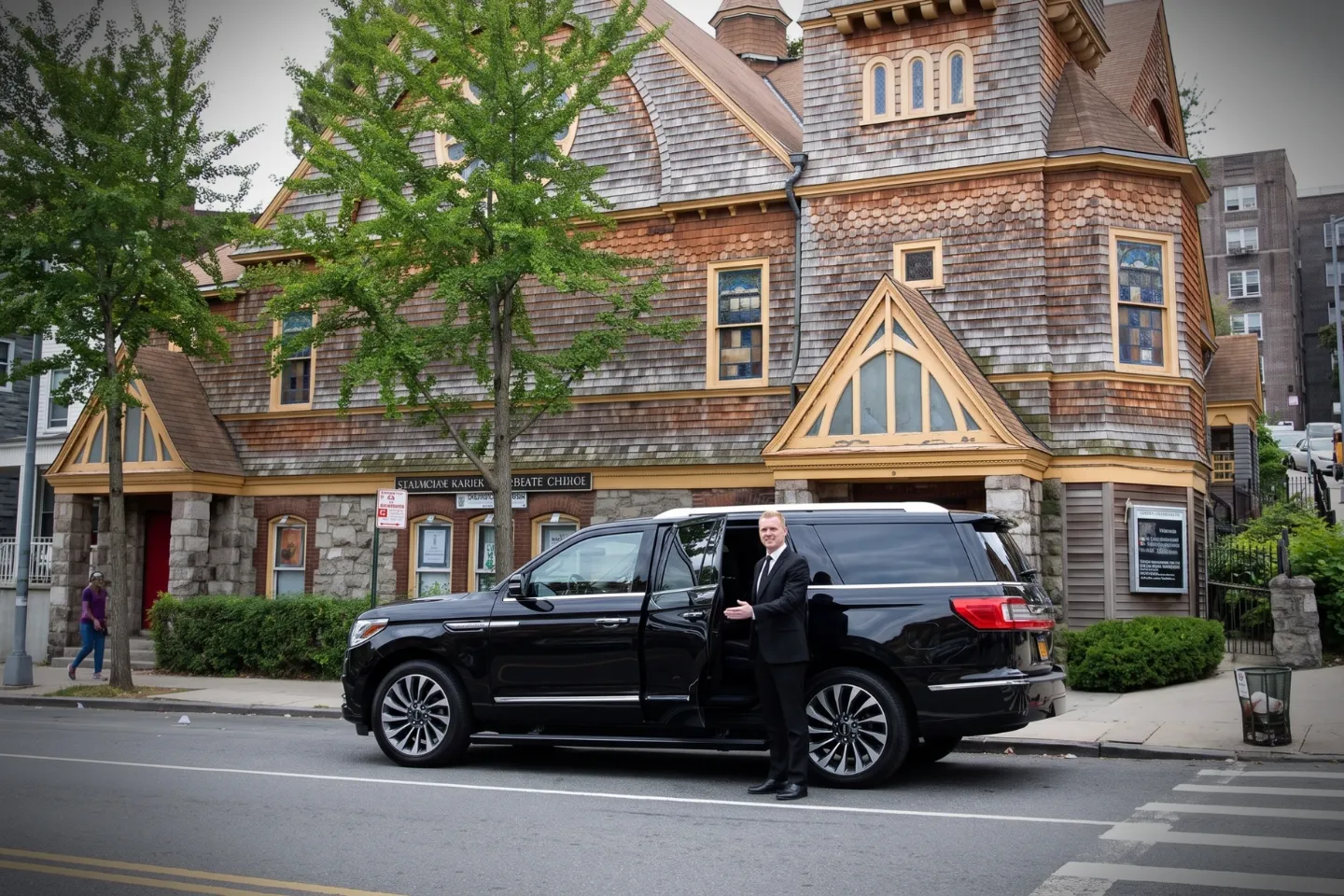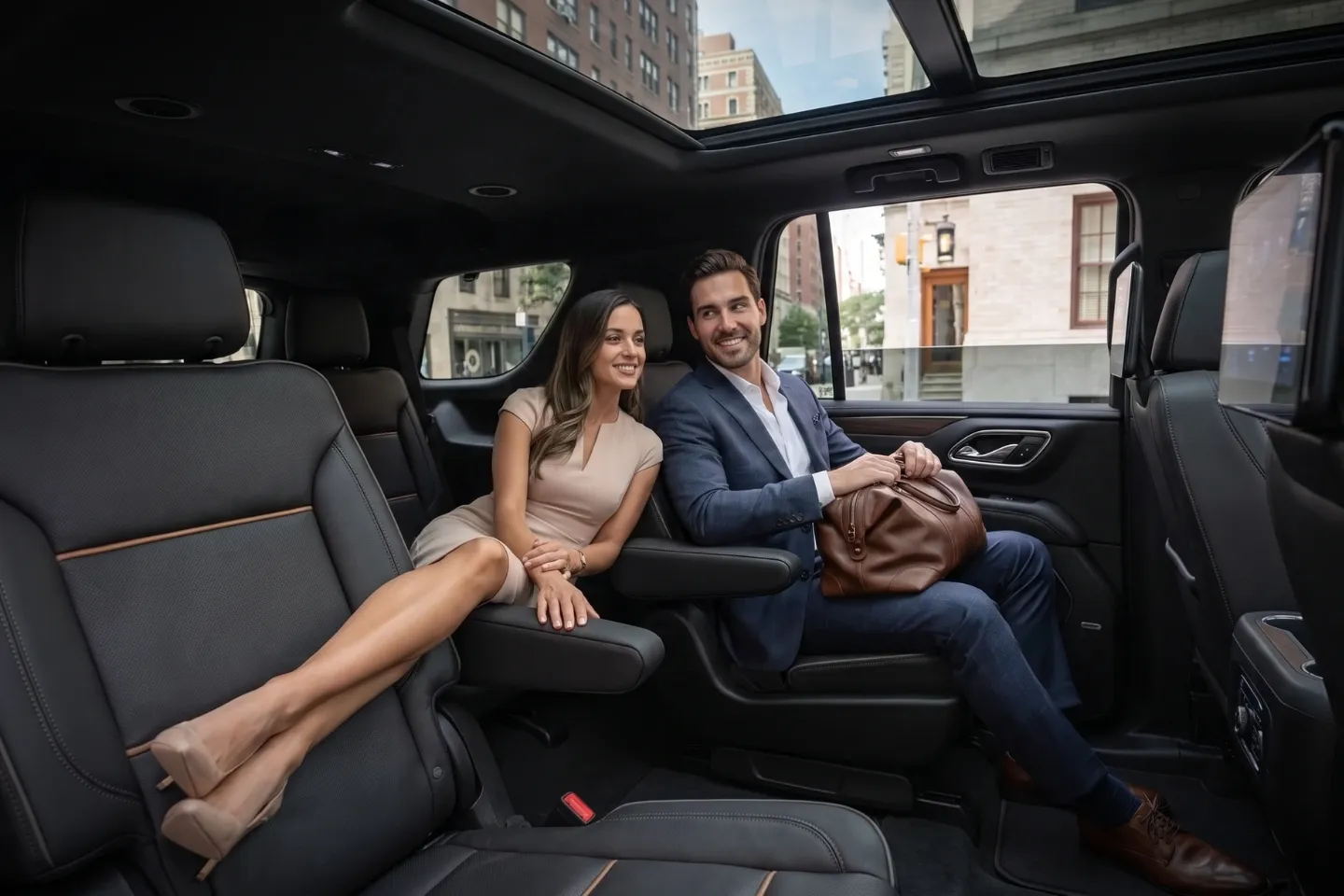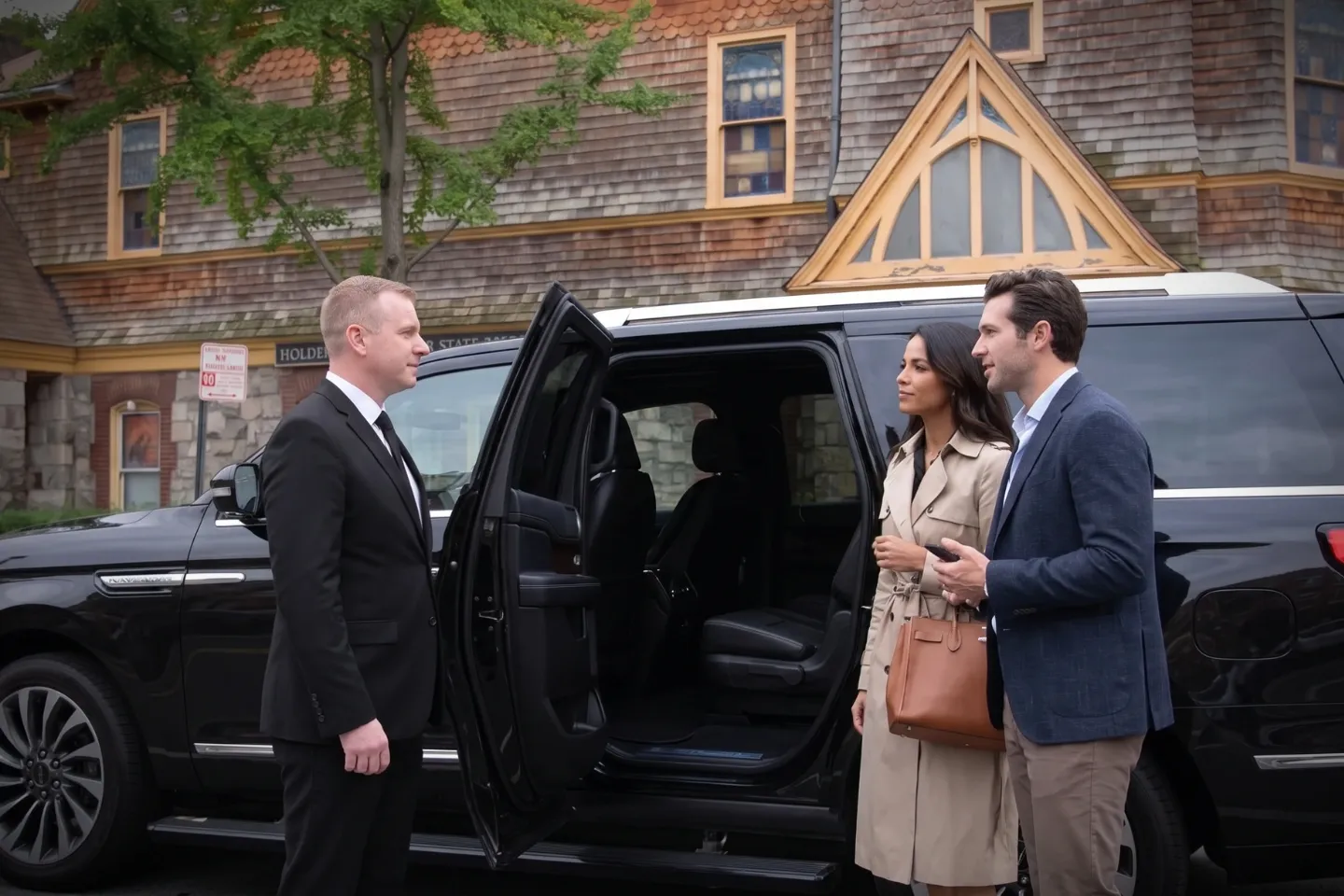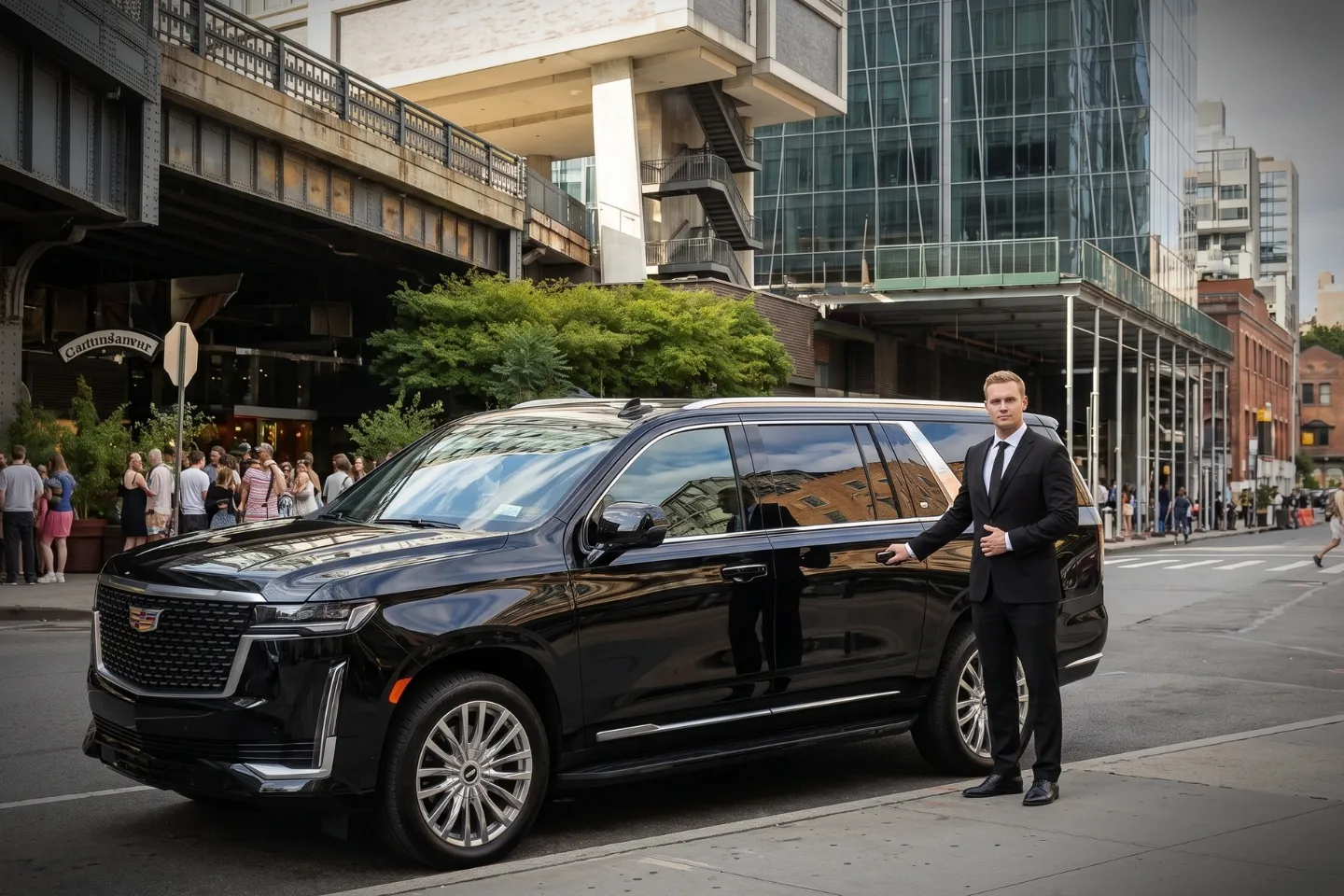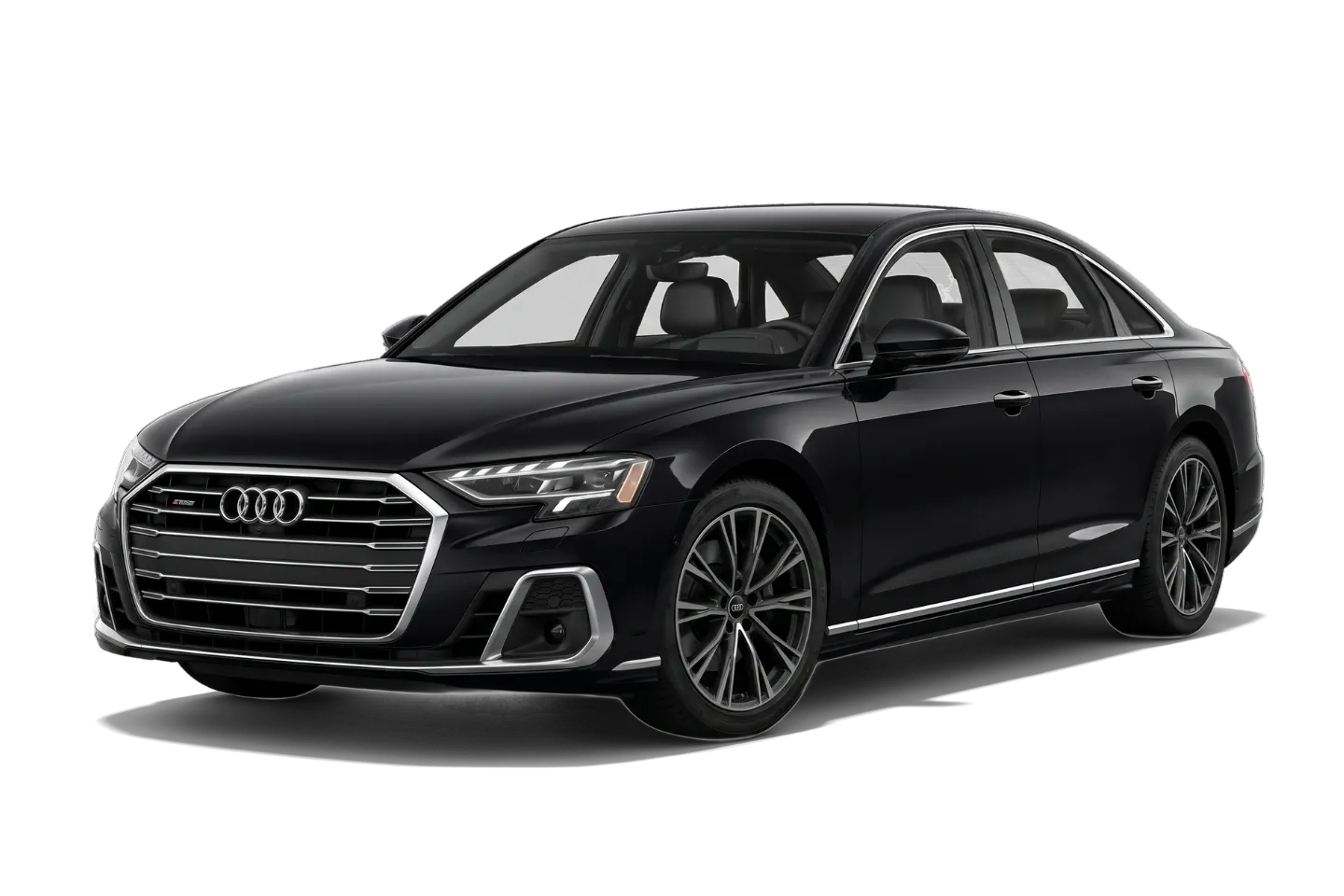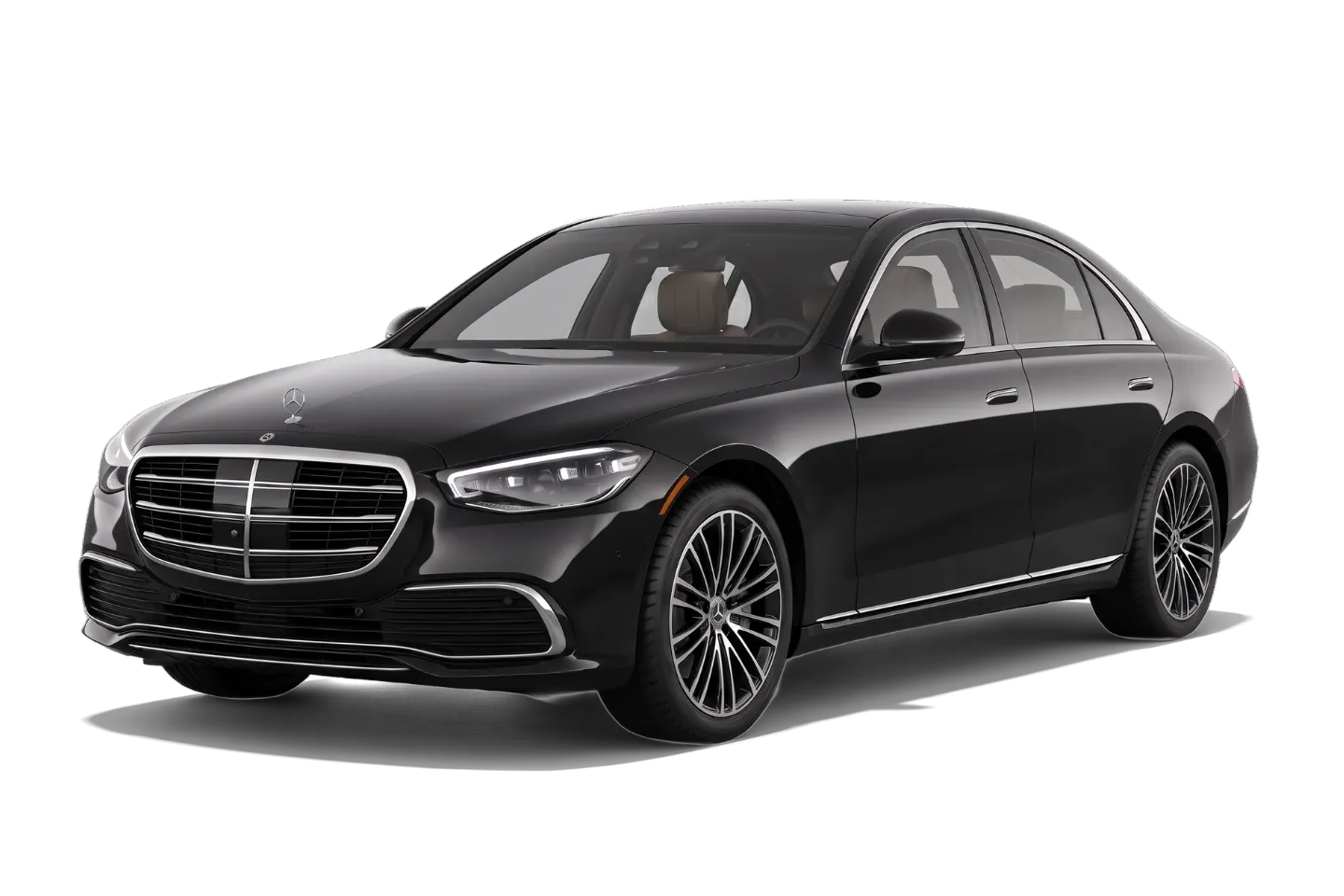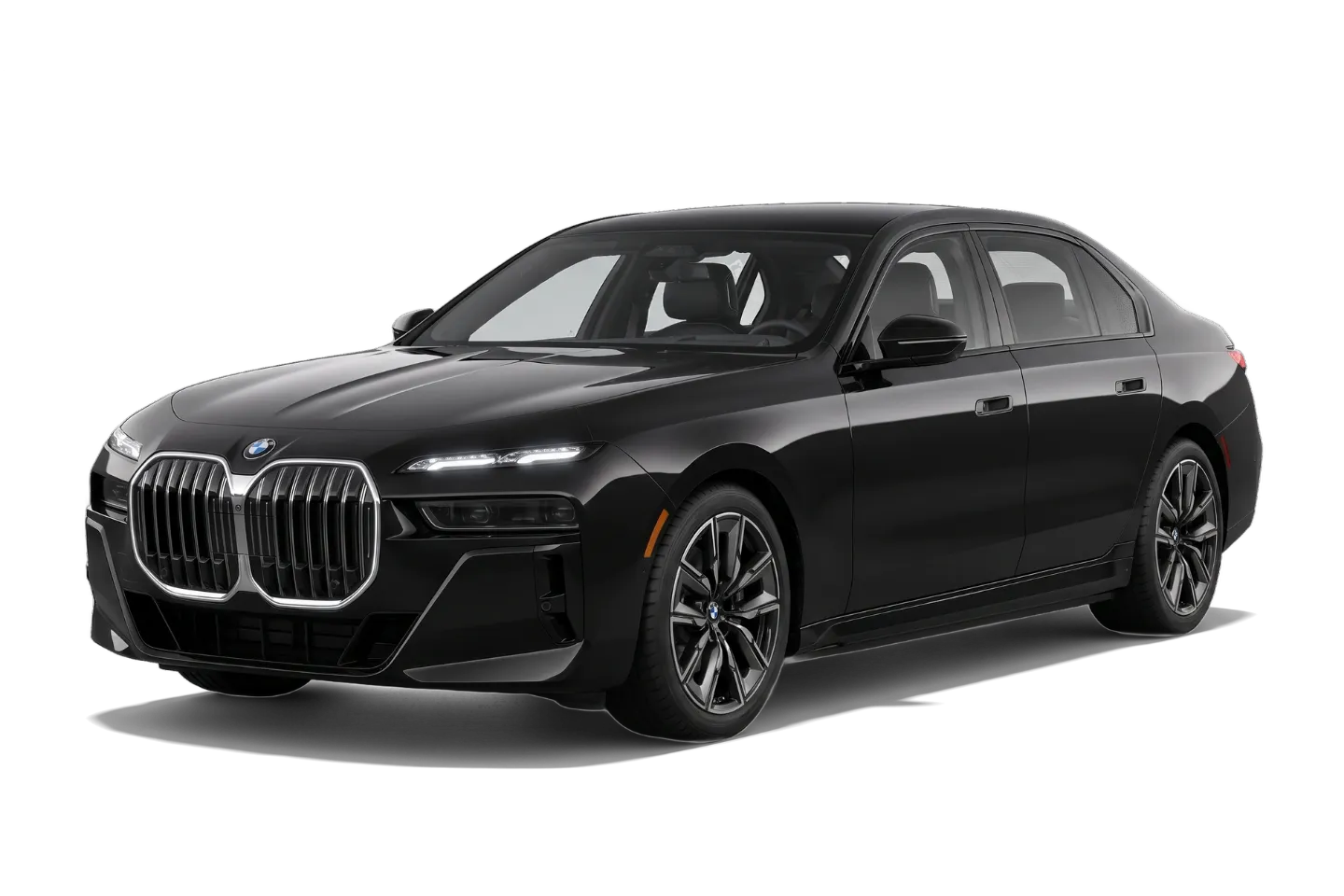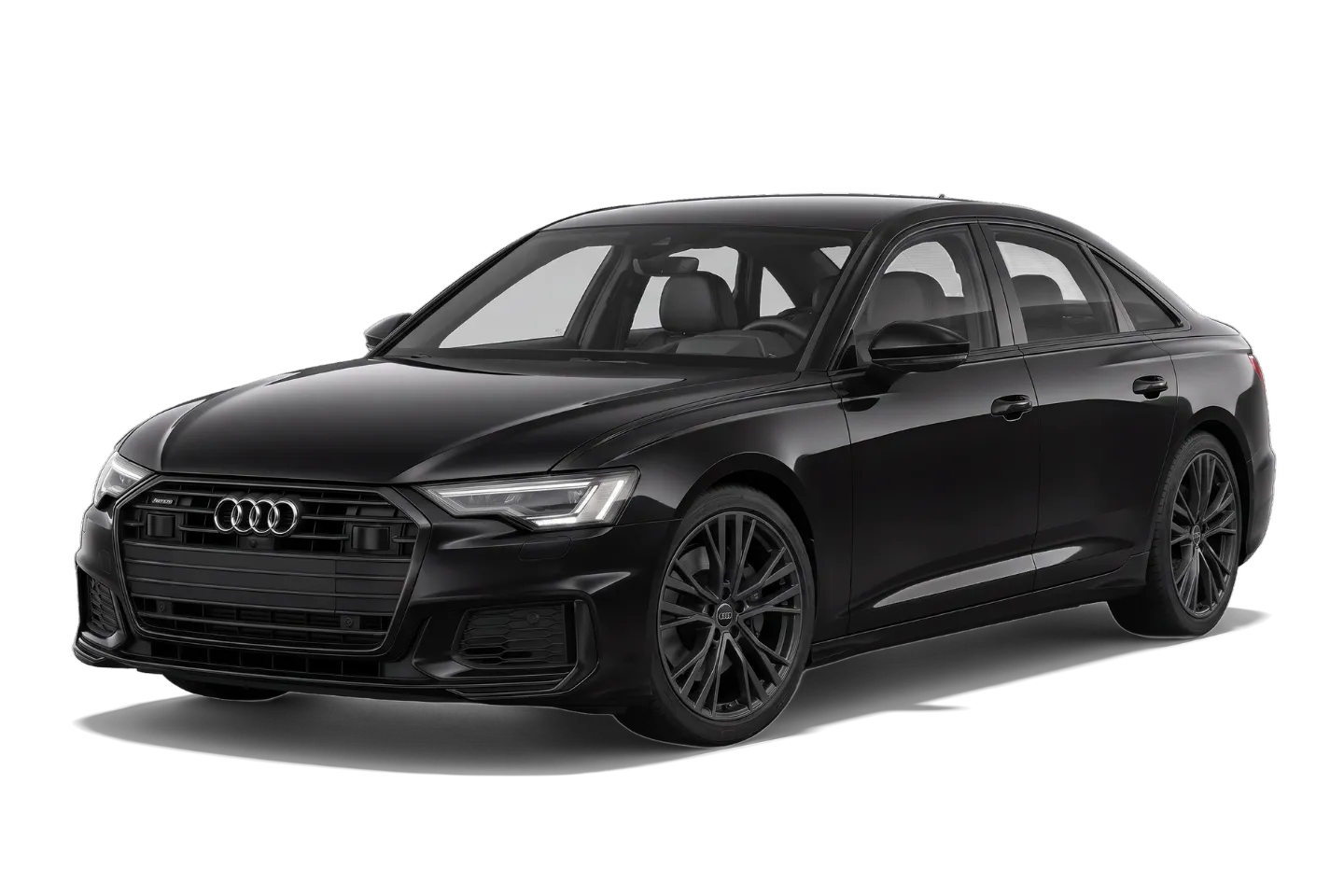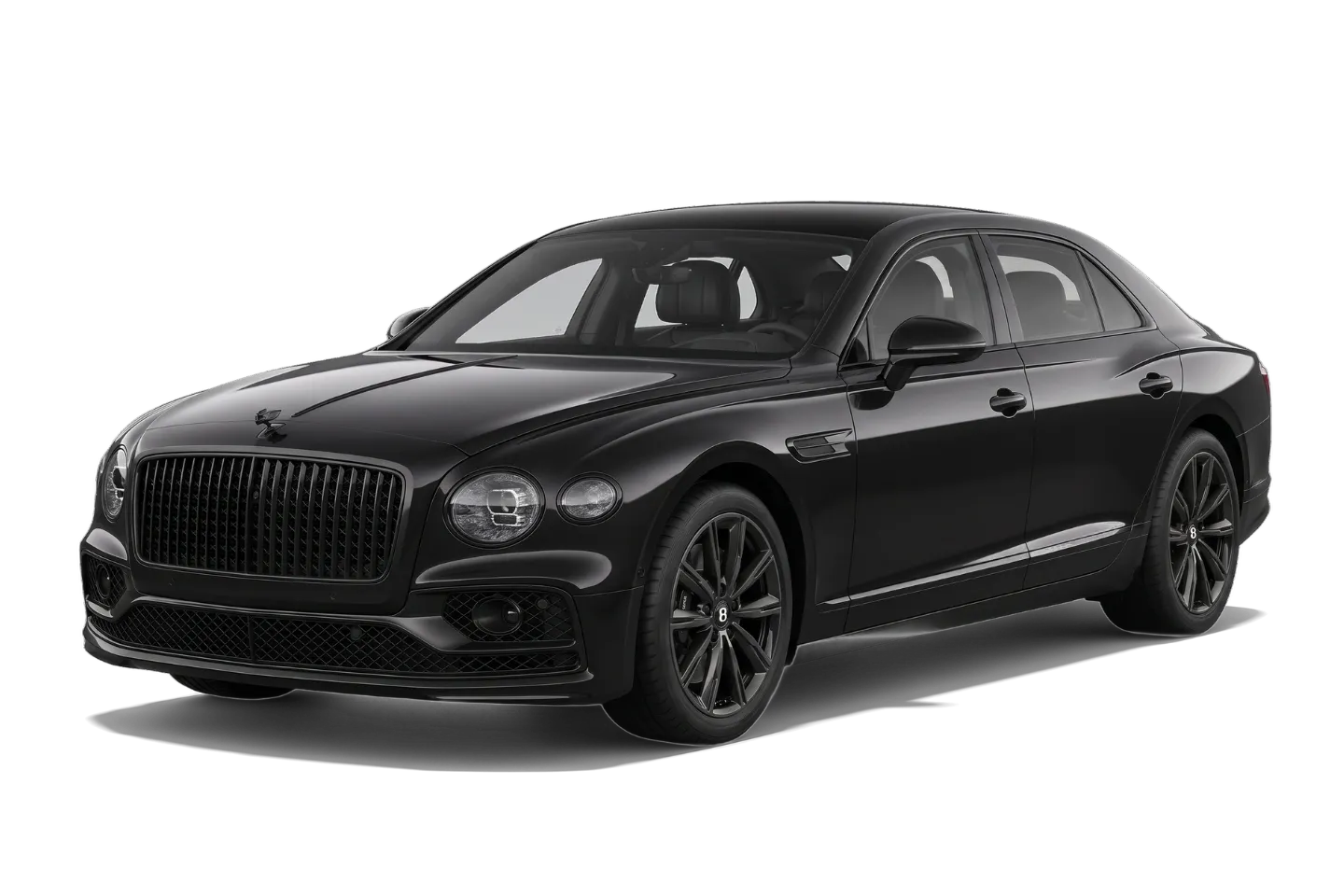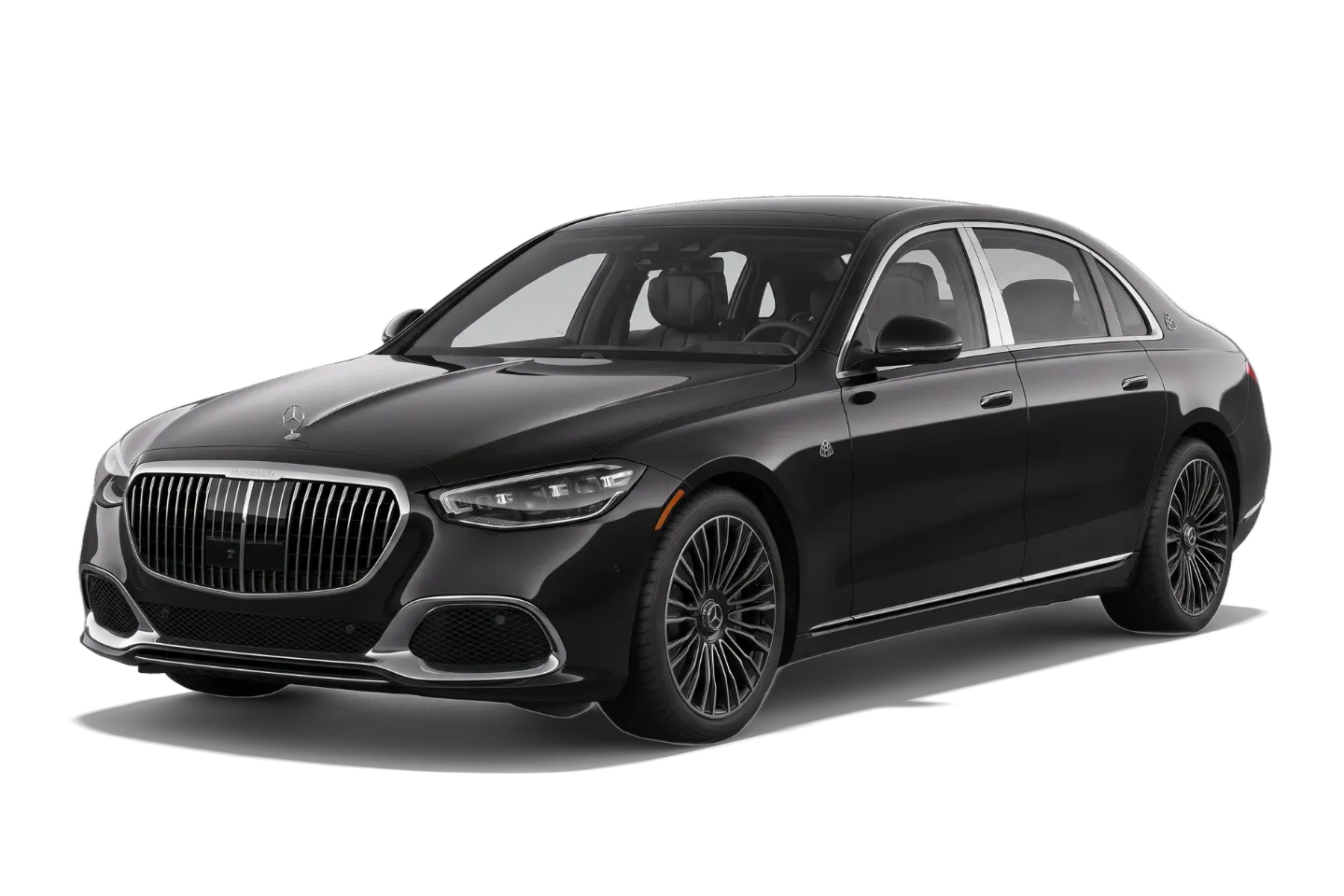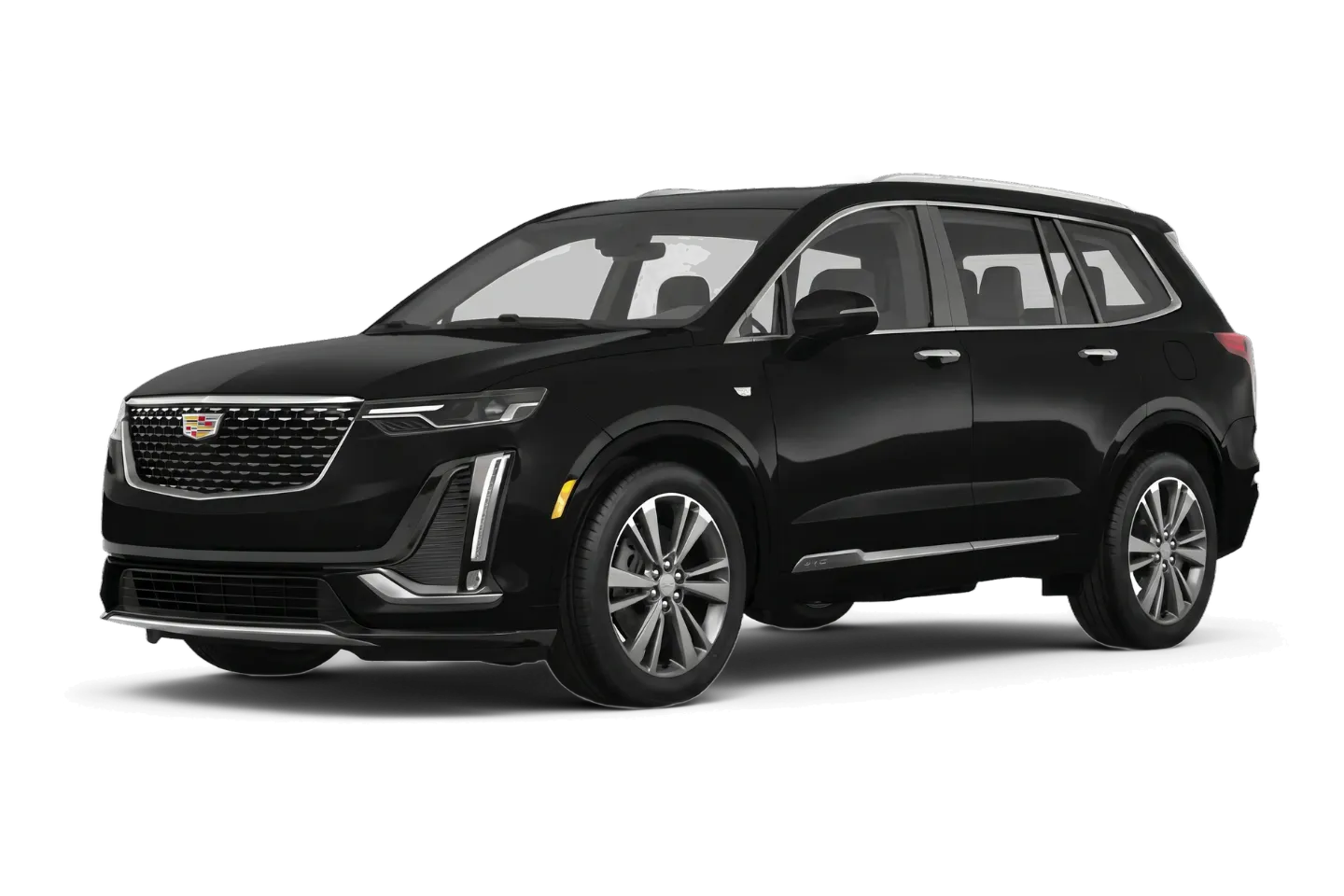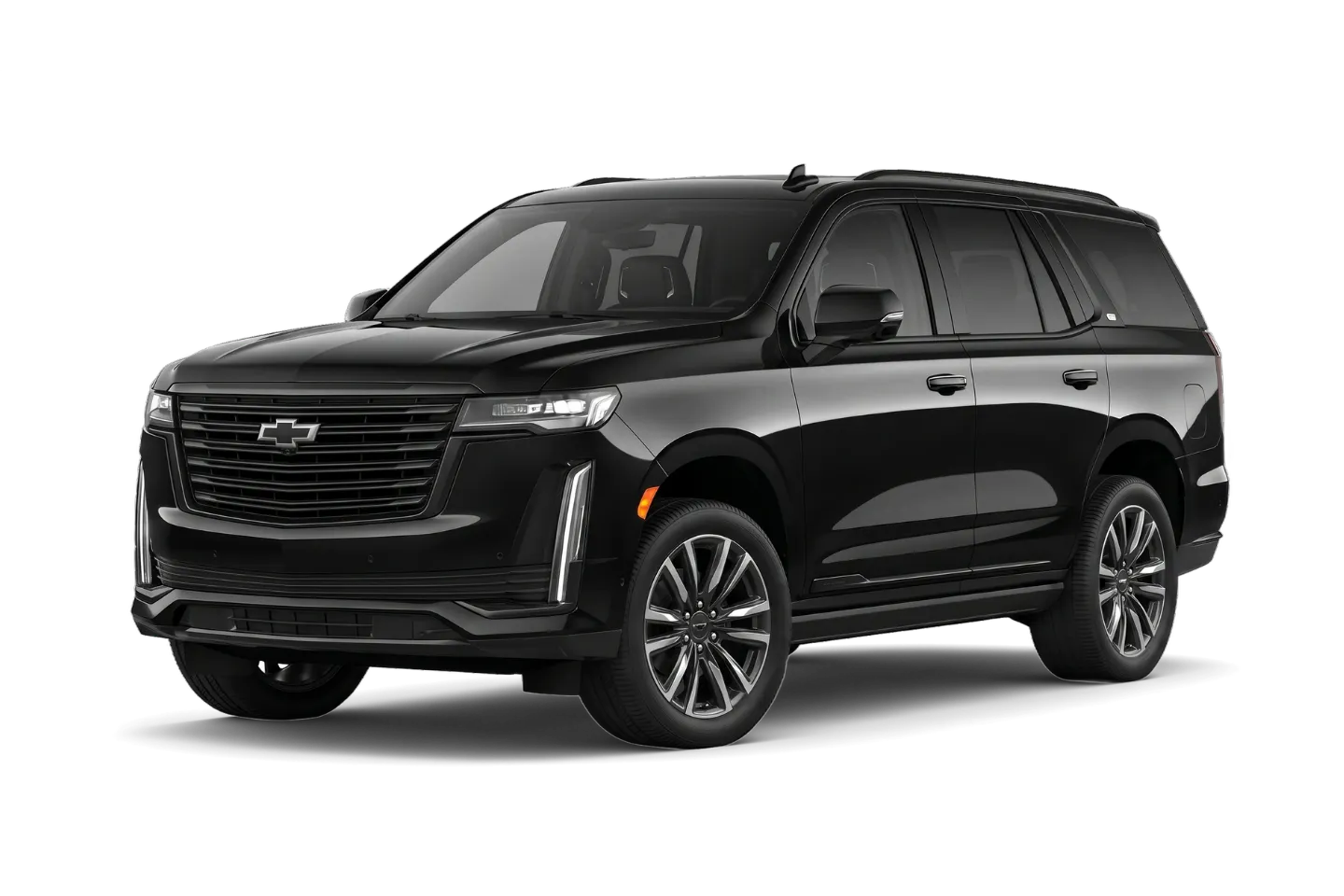
Both hold a license, yet the roles differ in training, vehicle, insurance, booking, and care. View a point by point comparison, two Logan arrivals side by side, 2026 prices, and when each choice fits.
The difference between a chauffeur and a driver in Massachusetts lies in training, service, and accountability. A driver takes you from one place to another. A chauffeur is a trained professional who plans the trip, presents an immaculate vehicle, opens your door, handles your luggage, protects your privacy, and works through a company that carries commercial insurance and answers for the result. Both hold a license. One offers transport, and the other offers a managed service. At Legendary Limousine, we have employed and worked with chauffeurs since 1997, and this guide explains the distinction in practical terms, with costs and examples from Massachusetts roads.
What Is a Driver?
In everyday use, a driver is anyone who operates a vehicle to carry passengers or goods. In passenger transport, the word usually describes people working in these roles.
- Rideshare drivers: independent contractors who use their own cars and accept trips through an app.
- Taxi drivers: licensed by a city or town to pick up street hails and work from stands.
- Shuttle and van drivers: employed to run fixed routes for hotels, airports, or campuses.
- Personal drivers: hired informally by an individual or a family.
A driver's task is to complete the journey safely and efficiently. Many drivers are skilled, courteous people. The role itself simply asks less: the passenger opens the door, manages the bags, and expects a ride.
What Is a Chauffeur?
The word comes from French and once referred to the stoker who fired the engine of an early motor car. Today, it means a professional employed to drive a luxury vehicle for private clients, with a standard of service attached. A chauffeur's work covers far beyond the steering wheel.
- Preparation: studying the itinerary, checking traffic and weather, and inspecting and cleaning the car before each job.
- Punctuality: arriving 10 to 15 minutes early as a matter of routine.
- Presentation: a dark suit, polished shoes, and a spotless vehicle.
- Service: greeting clients by name, opening doors, loading luggage, and offering water.
- Driving style: smooth acceleration and braking, so that a passenger can read or work.
- Discretion: keeping every conversation and destination private.
- Problem solving: rerouting around an accident in the tunnel or adjusting when a meeting overruns.
How Do the Two Roles Compare Point by Point?
Training
A driver needs a valid license and, for taxis and rideshares, whatever checks the city or the platform requires. A chauffeur typically completes company training in defensive driving, passenger care, etiquette, and the operation of each vehicle in the fleet, and is assessed before meeting clients. Some hold certificates from industry training programs.
Screening
Rideshare and taxi drivers pass background checks set by regulators and platforms. Chauffeur companies add their own: employment history, references, driving record reviews at intervals, and often drug and alcohol testing. Our standard is that every driver is background checked, professionally trained, and familiar with local routes.
The Vehicle
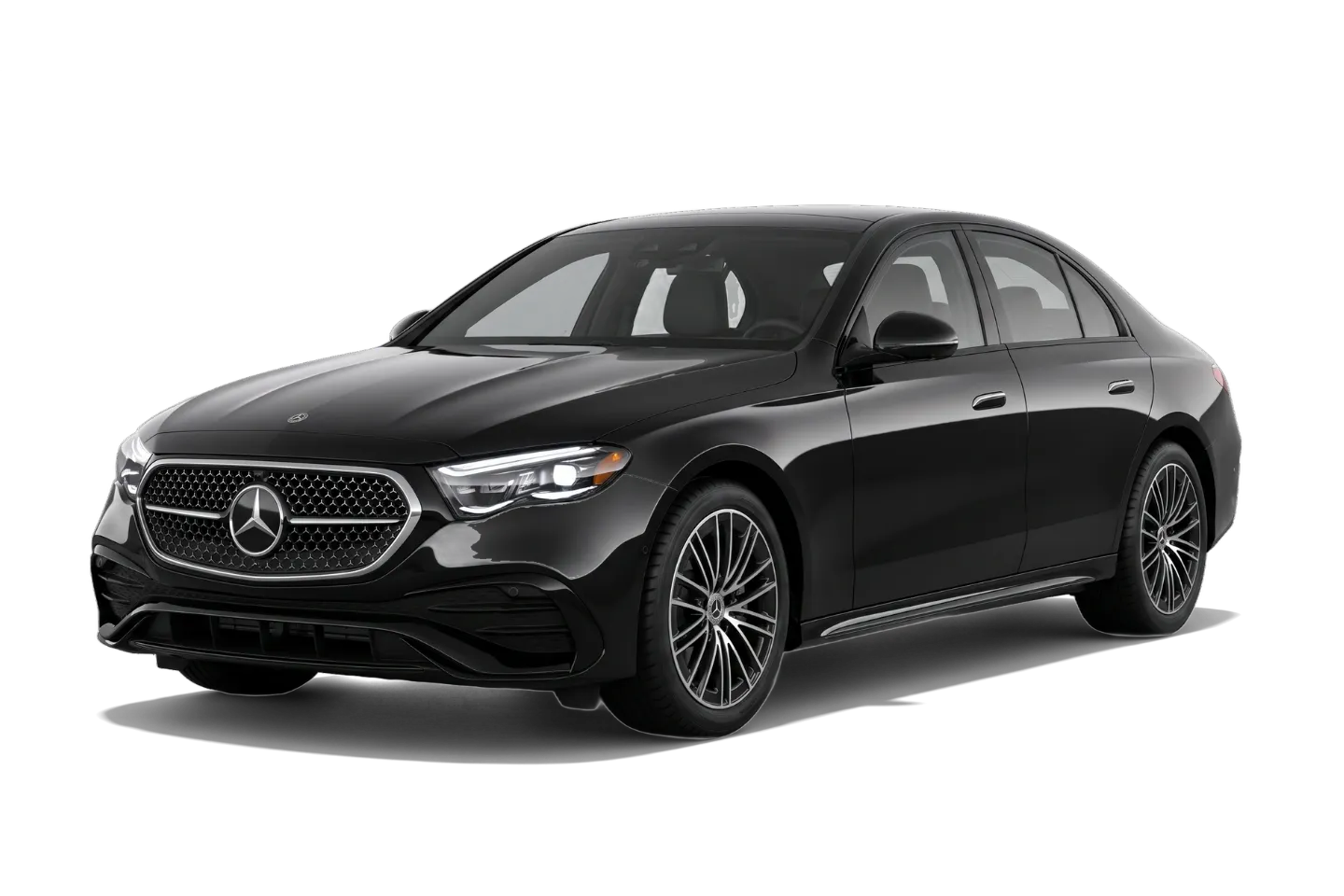
A driver commonly uses a personal car or a standard taxi. A chauffeur drives a late model luxury sedan, SUV, or van maintained by the company, such as a Mercedes-Benz E-Class or S-Class or a Cadillac Escalade, cleaned between trips and replaced after a few years.
Registration and Insurance
Massachusetts regulations define a livery vehicle as a limousine or other vehicle designed to carry 15 or fewer passengers, including the driver, that carries passengers for hire. Chauffeured vehicles in this class carry livery registration and commercial insurance held by the operating company. Taxis and rideshare vehicles are covered under their own separate rules. An informal personal driver using a private car may have no cover for paying passengers at all, since personal policies generally exclude that use.
Booking
A driver is hailed or summoned on demand. A chauffeur is reserved in advance for a set time, and the booking is confirmed in writing. At Logan, this distinction is written into the rules: an unscheduled limousine may accept passengers only upon a prior verifiable reservation.
Pricing
Taxi fares run on a meter, and rideshare prices move with demand. Chauffeur service is quoted in advance at an hourly or flat rate, so the price is known before the trip.
Support
A driver works alone or through an app. A chauffeur is supported by a dispatch office that tracks flights, monitors traffic, sends a replacement if a car fails, and answers the telephone at any hour.
What Does the Difference Look Like in Practice?
Two arrivals at Logan on the same snowy Tuesday evening show the contrast.
Arrival With a Driver
Mark lands at 8:40 p.m., thirty minutes late. He opens an app at the gate and sees a price twice the usual level, since the weather has pushed demand up. He walks with his bag to the app ride area, waits eleven minutes in the cold, and matches the plate of an arriving car to his screen. He lifts his own suitcase into the trunk. The driver is friendly and follows the phone's directions. Mark takes a work call and keeps his voice low. He reaches his hotel in Cambridge at 9:35 p.m.
Arrival With a Chauffeur
Sofia lands on the same flight. Her sedan was reserved four days earlier at a flat rate. When her phone reconnects, a text gives the chauffeur's name and number. Dispatch has followed the delay, so the car is already in the holding area. She collects her bag, sends a message, and the car is at the limousine pickup point within four minutes, warm and cleared of snow. The chauffeur loads the suitcase, offers water, and takes a route he knows will avoid the backed up tunnel approach. Sofia makes a confidential call. She reaches her hotel in Cambridge at 9:15 p.m., and the fare is what she was quoted.
Both travelers arrived safely. One managed the journey himself, and the other had it managed for her.
How Do the Costs Compare?
A chauffeur costs more for a simple trip, and the gap narrows or reverses in certain situations. These are 2026 estimates.
- Logan to Back Bay by standard rideshare: $30 to $55 at ordinary times, and far higher in surge periods.
- By premium rideshare: $70 to $110.
- By taxi: roughly $35 to $50 on the meter with tolls.
- By chauffeured sedan: $85 to $115 flat, before gratuity and tolls.
- Chauffeur by the hour: $85 to $120 in a sedan and $110 to $160 in an SUV, with a two to three hour minimum.
For three colleagues sharing a sedan, the chauffeured fare per person is close to a solo rideshare. On a stormy evening or after a concert, surge pricing can push an app fare above the flat rate. Full figures are in how much a chauffeur service costs in Massachusetts.
When Is a Driver the Right Choice?
- A short, spontaneous trip across town.
- A solo journey with no fixed deadline.
- A tight budget.
- Travel at quiet hours in good weather, when cars are plentiful and prices are low.
When Is a Chauffeur the Right Choice?
- Airport transfers at fixed times, above all very early or very late.
- Business travel, where time, privacy, and reliability carry a cost. See whether a chauffeur service is worth it for business travel in Massachusetts.
- Days with several stops, booked hourly. See whether you can hire a chauffeur by the hour in Massachusetts.
- Special occasions: weddings, anniversaries, and proms.
- Hosting clients or guests.
- Elderly relatives or unaccompanied family members, who benefit from help at each end.
- Bad weather and busy event days.
- Groups who want to travel together.
Which Skills Set a Chauffeur Apart?
Route Mastery
Navigation apps are useful, and they are not always right. A Boston chauffeur knows that Storrow Drive floods in heavy rain, that the Sumner Tunnel has had long closures for restoration work, that Red Sox home games clog Kenmore Square, and that the Marathon closes a path through eight cities and towns on Patriots' Day. That knowledge chooses the route before the app has noticed the problem.
Smooth Driving
Chauffeurs are taught to drive so that a full glass on the armrest would stay level: early, gentle braking, steady speed, and wide, unhurried turns. Passengers who work or rest in the car feel the difference within a mile.
Reading the Passenger
A professional notices whether a client wants conversation, silence, a cooler cabin, or the radio off. Regular clients find their preferences remembered.
Etiquette and Protocol
Which door to open first, where to stand, how to address a guest, and how to stage a car at a formal event are all part of the training.
Composure
Flights are diverted, meetings overrun, and brides run late. A chauffeur adjusts without fuss and keeps dispatch informed.
Confidentiality
Executives, lawyers, and public figures rely on absolute discretion. Many chauffeurs work under written confidentiality agreements.
What Does a Chauffeur Do Before You Get In?
Most of a chauffeur's work happens out of the client's sight. A typical morning before a 7:00 a.m. pickup in Wellesley for a flight from Logan runs as follows.
- 5:15 a.m.: the chauffeur checks the assignment, the flight status, the weather, and the overnight traffic reports.
- 5:30 a.m.: a walk around the vehicle: tires, lights, fluids, and bodywork. The interior is wiped down, and water and chargers are restocked.
- 5:50 a.m.: departure from the base, with fuel already above half a tank.
- 6:40 a.m.: arrival near the address. The chauffeur waits around the corner, so that the engine does not disturb the household.
- 6:50 a.m.: a short text announces the car. The cabin is at a comfortable temperature.
- 7:00 a.m.: the chauffeur is standing by the rear door when the client steps out.
The client sees the last ten seconds of an hour and three quarters of preparation. That unseen effort is a large part of what the fare pays for.
How Do Chauffeurs Handle Massachusetts Conditions?
- Snow and ice: leaving early, clearing the car fully, carrying an umbrella and a brush, and choosing treated main roads.
- Rush hours: knowing when the Turnpike beats Route 9, and when to leave fifteen minutes sooner.
- Event days: planning around Fenway, the arena at North Station, and Foxborough.
- Summer on the Cape: timing the canal bridges and the ferries.
- Historic streets: finding a safe place to stop in Beacon Hill or the North End, then walking the client to the door with the luggage.
Is Tipping Different for a Chauffeur and a Driver?
For taxis and rideshares, passengers commonly tip 15% to 20% at the end of the ride or in the app. For chauffeurs, the custom is the same percentage of the base fare, and many companies add it to the invoice in advance, so check the confirmation before offering cash. Corporate accounts usually fix the gratuity by contract, which keeps expense reports simple. Whichever service you use, a word of thanks for careful driving in bad weather is always appreciated.
Is a Rideshare "Black Car" the Same as a Chauffeur?
Premium tiers in rideshare apps use newer, larger vehicles, and many of the people driving them are experienced professionals, including some who also work for chauffeur companies. The service model still differs. The trip is assigned by an algorithm to whoever is nearest, the price can change with demand, there is no dispatcher who knows your itinerary, and you cannot be sure of the same person or standard twice. A chauffeur service is built around the reservation: a named chauffeur, a prepared vehicle, a fixed price, and an office that owns the outcome.
What About a Personal Driver Hired Privately?
Some families and executives hire a person directly to drive their own vehicle. Where that person is trained, vetted, insured, and employed properly, the title of chauffeur fits. The risk lies in informal arrangements: a friend of a friend with a private car, paid in cash. In an accident, the passenger may find that no policy covers the trip. If you want a dedicated person, either use a company that assigns one or employ one correctly, as described in how to hire a private chauffeur in Massachusetts.
How Can You Tell a True Chauffeur Service?
- The company explains its registration and insurance without hesitation.
- The booking is confirmed in writing with a fixed price.
- You receive the chauffeur's name and number before the trip.
- The car arrives early, clean, and in the class you booked.
- The chauffeur is in professional dress and steps out to greet you.
- Doors and luggage are handled for you.
- The drive is smooth and the route considered.
- Dispatch answers the telephone at any hour.
- The invoice matches the quote.
The standard inclusions are listed in what a chauffeur service in Massachusetts includes.
Does the Difference Matter for Safety?
All legal passenger services must meet safety rules, and millions of taxi and rideshare trips end without incident. A chauffeur service adds layers: employer screening, ongoing training, managed limits on working hours, company maintained vehicles, and commercial cover arranged by the operator. For families, chauffeurs will fit child seats supplied by the company or the client. Massachusetts requires a federally approved child passenger restraint until a child is 8 years old or over 57 inches tall, as the state explains on its child passenger safety page.
How Do You Book a Chauffeur in Massachusetts?
- Define the trip: date, times, addresses, passengers, and luggage.
- Choose the vehicle: a sedan for up to 3 passengers, an SUV for up to 6, or a Sprinter van for 10 to 14.
- Request a written quote with the total.
- Check registration, insurance, and reviews.
- Confirm with a credit card and keep the confirmation.
- Add the flight number for airport trips. Our Massachusetts airport chauffeur service page explains pickups.
What Questions Reveal the Standard of a Company?
- How do you select and train your chauffeurs?
- Are they employees?
- How old are your vehicles, and how are they maintained?
- What insurance do you carry?
- Is your dispatch staffed around the clock?
- What happens if a car breaks down on the way to me?
- May I request the same chauffeur again?
How Do Our Chauffeurs Work?
Legendary Limousine arranges chauffeured sedans for up to 3 passengers, SUVs for up to 6, Sprinter vans for 10 to 14, and larger vehicles for groups, all shown on our fleet page.
- Professional chauffeurs in business dress, trained in service and safe driving.
- Flight tracking and one hour of complimentary waiting on airport arrivals.
- Meet and greet on request.
- Written, itemized quotes.
- Dispatch 24 hours a day at +1 (718) 221-4771.
- Clear information about the operator: our base is in Brooklyn, New York, and Massachusetts bookings may be performed by vetted local partners. Ask us which operator and registrations cover your trip.
Ride With a Professional Chauffeur
A driver gets you there. A chauffeur plans the trip, cares for you on the way, and stands behind the service with training, a company, and commercial insurance. For a routine hop, a driver is enough. For flights, business, family, and occasions that matter, a chauffeur is the sound choice. To book one, call +1 (718) 221-4771 or contact Legendary Limousine online, and Legendary Limousine dispatchers will send a written quote.

Stanley K. Cowell
- Health
- Safety & Environmental Writer
- Legendary Limousine
Renee Cowell, CSP, CIH, is an experienced Environmental, Health and Safety (EHS) professional and Organizational Health & Safety Strategist. She specializes in safety culture leadership, compliance, auditing, behavioral based safety,…