Opening the door is the smallest part of the job. See what a professional driver handles before, during and after each ride in Connecticut, from route planning and flight tracking to privacy and time.
From the back seat, a chauffeur's job looks simple: open the door, drive smoothly, arrive on time. The work that makes those three things happen is largely invisible. It begins hours before the pickup and continues after the passenger has gone inside. This guide explains what a chauffeur does, step by step, from preparing the vehicle to handling a delayed flight, and what you can expect when you book a chauffeur service in Connecticut. It draws on the daily routines of the drivers and dispatchers at Legendary Limousine.
What Is a Chauffeur?
A chauffeur is a professional driver hired to transport clients in a private vehicle by prior arrangement. The word signals a level of service that goes with the driving: preparation, punctuality, courtesy, discretion, and care for the passenger from door to door. In Connecticut, a chauffeur who carries passengers for hire holds a public passenger endorsement on the driver license and works for a regulated livery company. The distinction matters to riders. A driver takes you from one place to another. A chauffeur takes responsibility for the whole journey, including the parts you never see.
Where Does the Word "Chauffeur" Come From?
The word is French, from a verb meaning to heat. It was first applied to the stokers who fed the boilers of steam engines and early steam powered cars. When motor cars arrived, the name passed to the people paid to operate them. The boiler has gone, and the idea of a skilled person responsible for the machine and its passengers has remained. In Connecticut today, the title carries legal weight as well, through the endorsement and screening the state requires.
What Does a Chauffeur Do Before the Ride?
Reviews the Assignment
The day starts with the booking details: the client's name, the pickup time and address, the destination, any stops, the flight number, and special requests such as a child seat or a quiet ride.
Plans the Route
A professional studies the route in advance and identifies an alternative. In Connecticut, that means knowing how Interstate 95 behaves through Fairfield County, where Interstate 91 and Interstate 84 meet in Hartford, and which roads a given vehicle may use. The Merritt Parkway and the Wilbur Cross Parkway, for example, prohibit commercial vehicles and anything taller than 8 feet, as the state's Connecticut Parkways page explains, so the chauffeur of a high roof van plans around them.
Inspects and Prepares the Vehicle
Tires, lights, fluids, and fuel are checked. The exterior is washed, and the interior is vacuumed and wiped down. Bottled water is stocked, the temperature is set, and chargers are tested. Any requested items, such as a booster seat or a name sign, are loaded.
Checks Flights and Traffic
For airport work, the chauffeur and dispatch watch the flight status. For every job, live traffic and weather are reviewed, and the departure time from the garage is adjusted so that arrival at the pickup is early.
Contacts the Client
Many services send a message with the chauffeur's name, phone number, and vehicle description ahead of pickup, which removes any doubt about who to look for.
What Does a Chauffeur Do at Pickup?
- Arrives early: ten to fifteen minutes ahead is the professional standard.
- Positions the car safely: close to the door, legally parked, and easy to reach.
- Greets the client by name: with a brief, friendly introduction.
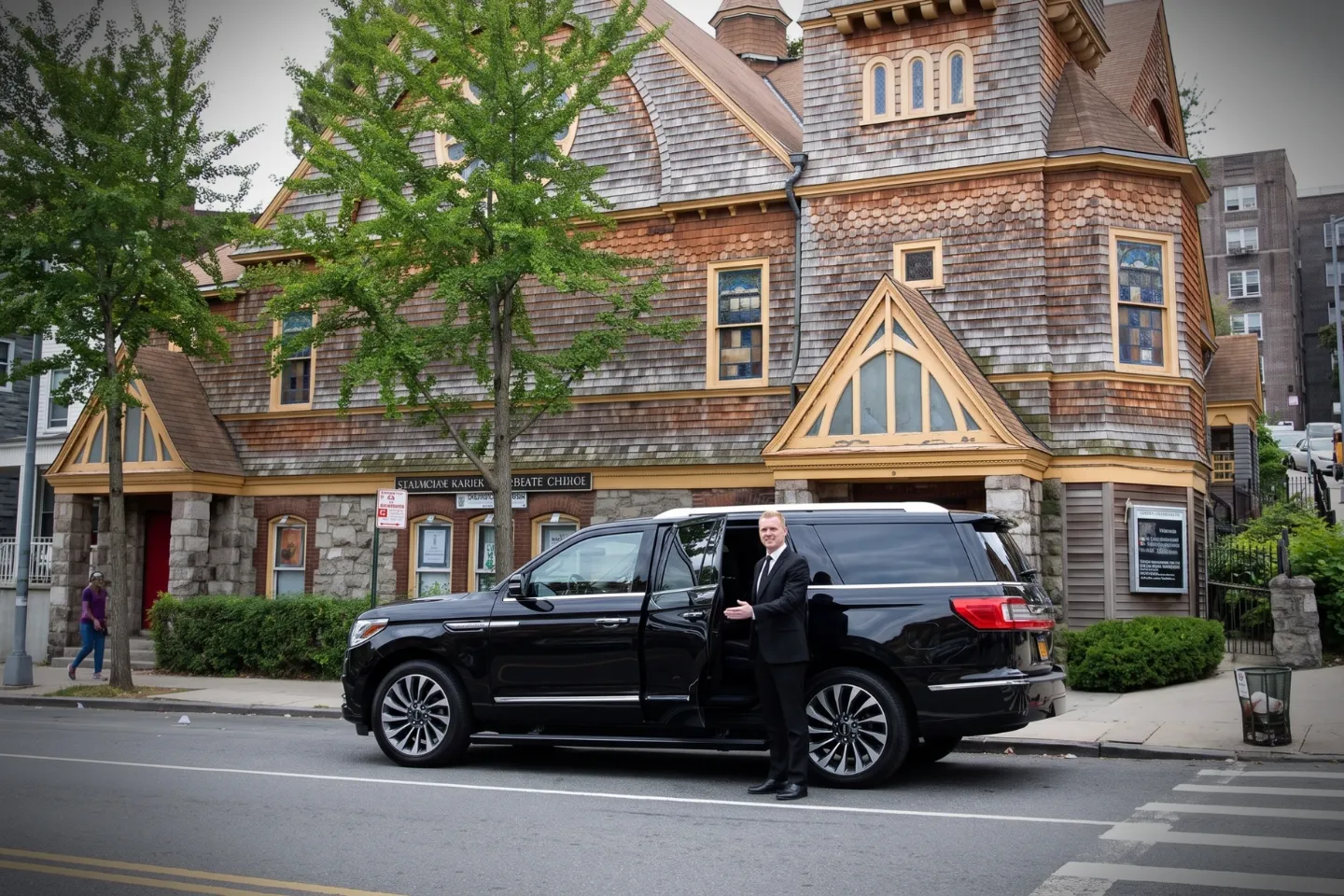
- Opens the door: and offers a steadying hand where welcome.
- Loads the luggage: carefully, with fragile items placed as the client prefers.
- Confirms the plan: the destination, any stops, and the preferred route.
- Checks comfort: temperature, music, and whether the client would like conversation or quiet.
What Does a Chauffeur Do During the Ride?
Drives Smoothly and Safely
Gentle acceleration, early braking, steady speeds, and generous following distances are the marks of a trained chauffeur. Passengers should be able to read, type, or sleep without noticing the road.
Watches the Road Ahead
The chauffeur monitors traffic and adjusts the route when a delay appears, often before the passenger is aware of it. Dispatch may call with updates on incidents or flight changes.
Respects Privacy
Conversations in the cabin, phone calls, and documents on a screen are treated as confidential. A good chauffeur hears a great deal and repeats nothing.
Reads the Passenger
Some clients enjoy a chat about the area. Others want silence after a long flight. The chauffeur follows the client's lead and does not need to be told twice.
Keeps to Time
Arrival times are tracked against the schedule. If a meeting or a flight is at risk, the chauffeur says so early and offers options.
What Does a Chauffeur Do at Stops and During Waits?
On hourly service, the chauffeur stays with the client for the whole booking. While you are inside at a meeting, a restaurant, or an appointment, the chauffeur:
- Parks nearby, in a legal spot with a clear path back to the door.
- Keeps the cabin clean and at a comfortable temperature.
- Watches over belongings left in the car.
- Checks traffic and timing for the next leg.
- Remains reachable by phone or text.
- Returns to the entrance a few minutes before you come out.
This waiting is part of the service. It is what separates a chauffeured day from a series of separate rides.
What Does a Chauffeur Do at Drop-Off and Afterward?
- Stops at the right entrance: the door that suits the client, which is sometimes a side or VIP entrance.
- Opens the door and unloads bags: and carries them to the threshold or hands them to hotel staff.
- Confirms the next pickup: the time and place for the return, if there is one.
- Checks the cabin: phones, glasses, and umbrellas are the items most often left behind.
- Reports to dispatch: the trip is logged as complete, with times recorded for accurate billing.
- Resets the vehicle: the cabin is tidied and restocked for the next client.
How Do a Chauffeur's Duties Change by Type of Service?
Airport Transfers
The chauffeur tracks the flight, chooses the correct terminal, and times the arrival to the landing. For a meet and greet, the chauffeur waits at baggage claim with a name sign and helps with luggage. Our guide on booking a chauffeur from Bradley International Airport to a hotel in Hartford shows the process in detail, and our Connecticut airport chauffeur service page lists the airports covered.
Corporate Travel
Discretion and timing come first. The chauffeur learns the day's meetings, knows the building entrances, waits between appointments, and keeps the cabin quiet for calls. Many executives request the same chauffeur each time.
Weddings
The chauffeur follows a written timeline, coordinates with the planner and photographer, helps with gowns and bouquets, and stays calm when the schedule slips. A red carpet or a decorated vehicle may be part of the role.
Proms and Celebrations
Safety and clear rules lead. The chauffeur keeps to the agreed route and times, looks after the group, and gives parents a reliable point of contact.
Full Day or As Directed Service
The chauffeur becomes a companion to the client's schedule, handling a string of stops and changes of plan. Our article on hiring someone to drive you around for a day in Connecticut describes how these days work.
Senior and Medical Transportation
Patience is the main skill. The chauffeur assists from the front door to the car, stores a walker or wheelchair, waits during the appointment, and sees the client safely back inside.
Group Transportation
In a van or a bus, the chauffeur manages boarding, luggage, and headcounts, briefs passengers on safety, and works with the group leader on timing.
Funerals
The chauffeur follows the funeral director's lead, drives in procession, and offers quiet, respectful support to the family.
What Happens Behind the Scenes?
A chauffeur does not work alone. A dispatch team supports every trip.
- Scheduling: matching chauffeurs and vehicles to bookings.
- Flight monitoring: adjusting pickups as arrival times change.
- Traffic watch: alerting drivers to closures and delays.
- Client communication: sending confirmations and handling changes.
- Backup: assigning a replacement if a vehicle or driver becomes unavailable.
- Records: logging times for accurate invoices.
The chauffeur also carries responsibilities beyond the drive itself, including a daily inspection of the vehicle, reporting any mechanical concern at once, keeping licenses and medical certificates current, and following the company's rules on rest between shifts.
What Does a Typical Shift Look Like, Hour by Hour?
- 4:15 a.m.: the chauffeur arrives at the garage, inspects the sedan, and checks the day's assignments.
- 5:00 a.m.: pickup in Fairfield for a client flying from LaGuardia, with bags loaded and the route chosen for the early traffic.
- 6:20 a.m.: drop-off at the terminal. The cabin is checked and tidied.
- 8:30 a.m.: a second client is collected in Stamford for a morning of meetings, with the car waiting between each one.
- 12:30 p.m.: the booking ends. The chauffeur refuels, takes a meal break, and restocks water.
- 2:00 p.m.: dispatch reports that an inbound flight is running forty minutes early, and the next pickup is moved up.
- 2:45 p.m.: a visiting executive is met at baggage claim with a name sign and driven to a hotel in Greenwich.
- 4:30 p.m.: the vehicle returns to the garage, is cleaned, and is handed over with notes for the next shift.
Three clients, four locations, and one early flight, all handled without any of the passengers needing to think about the logistics. Multiply that by every chauffeur on the schedule, and the value of a well organized dispatch office becomes clear.
How Does a Chauffeur Handle Things Going Wrong?
The real test of a professional is the day that does not go to plan.
- A delayed or early flight: the pickup is adjusted through flight tracking, and the client is not asked to call.
- A highway closure: the chauffeur switches to the prepared alternative and tells the passenger the new arrival time.
- A mechanical fault: the chauffeur stops safely and alerts dispatch, which sends a replacement vehicle.
- A forgotten item: the cabin check usually finds it, and the company arranges its return.
- A passenger who feels unwell: the chauffeur pulls over, offers water and air, and seeks help if needed.
- Severe weather: speed is reduced, extra time is allowed, and the client is kept informed.
- A change of plan: a new stop or a later finish is confirmed with dispatch and accommodated where the schedule allows.
In each case the aim is the same: solve the problem quietly and keep the client informed without passing on the stress.
What Is Outside a Chauffeur's Role?
Knowing the limits helps set fair expectations.
- Breaking traffic laws: a professional will not speed or take risks to make up time.
- Carrying extra passengers: every rider needs a seat and a belt.
- Leaving the vehicle unattended for long periods: the car and its contents are the chauffeur's responsibility.
- Acting as a bodyguard or a guide: those are separate professions, though a chauffeur can share local knowledge and stay alert to surroundings.
- Running personal errands unrelated to the booking: reasonable requests within the trip are welcome, while open ended tasks are better arranged in advance.
- Allowing behavior that endangers the ride: the chauffeur may stop the trip if safety is at risk.
Which Skills Does the Job Require?
- Driving skill: smooth control of the vehicle in all conditions, including snow and heavy traffic.
- Local knowledge: roads, airports, hotels, venues, and shortcuts.
- Time management: building schedules that hold up under pressure.
- Customer care: warmth without familiarity.
- Discretion: absolute respect for the client's privacy.
- Problem solving: calm responses to delays, closures, and last minute changes.
- Presentation: a neat appearance and a spotless car.
- Technical comfort: ease with navigation, flight tracking, and dispatch apps.
- Physical stamina: long hours, early starts, and luggage handling.
Which Credentials Stand Behind Those Skills?
In Connecticut, a public passenger endorsement is required to drive a livery vehicle, and applicants complete a fingerprint based criminal background check. The Department of Motor Vehicles explains the categories on its Public Passenger Endorsements page. Companies are overseen by the Department of Transportation's Regulatory and Compliance Unit, as its regulation page sets out. Our article on the qualifications a chauffeur needs in Connecticut covers the requirements in full.
Which Vehicles Does a Chauffeur Drive?
The duties stay the same while the vehicle changes with the booking. At Legendary Limousine, chauffeurs operate a full fleet:
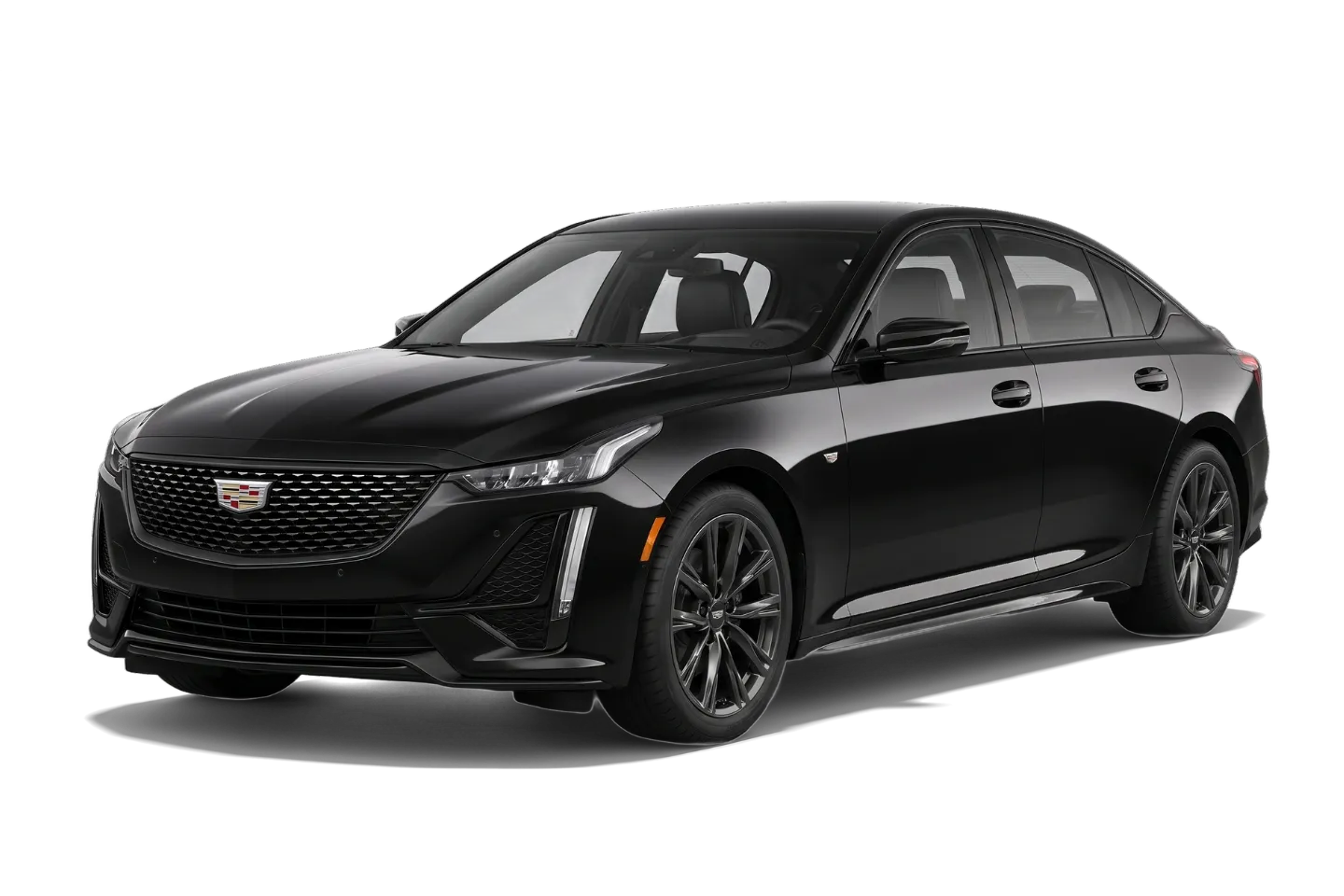
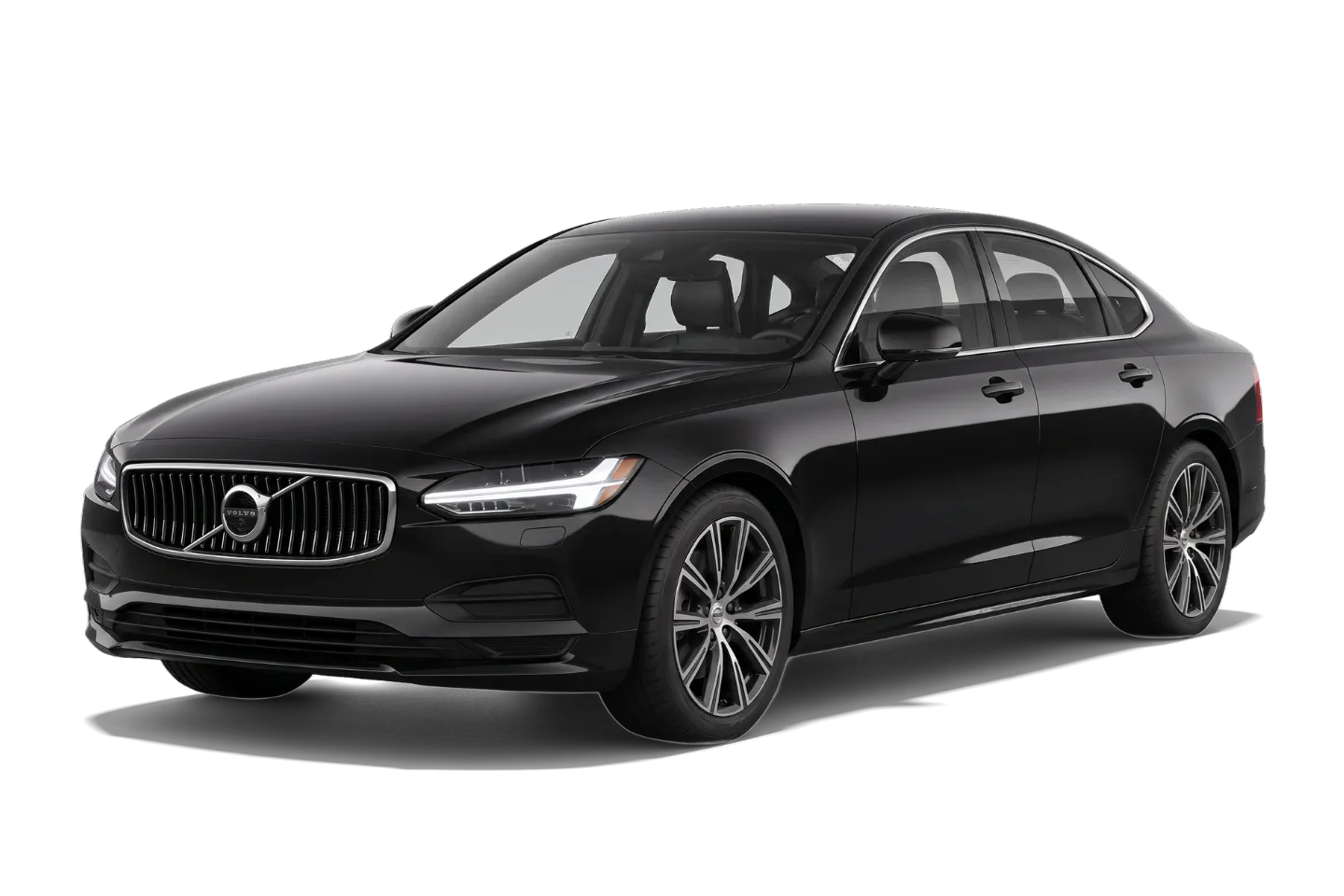
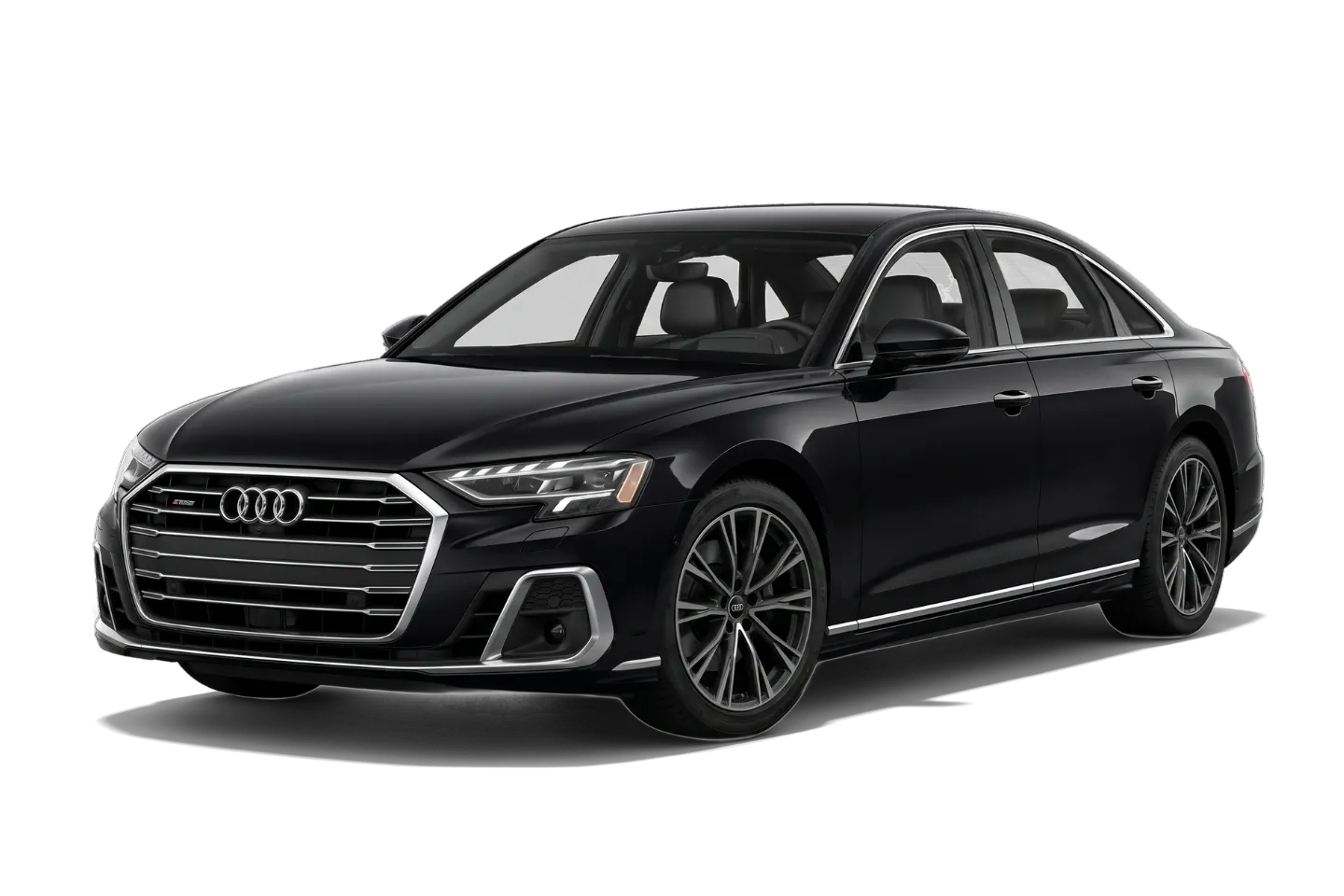
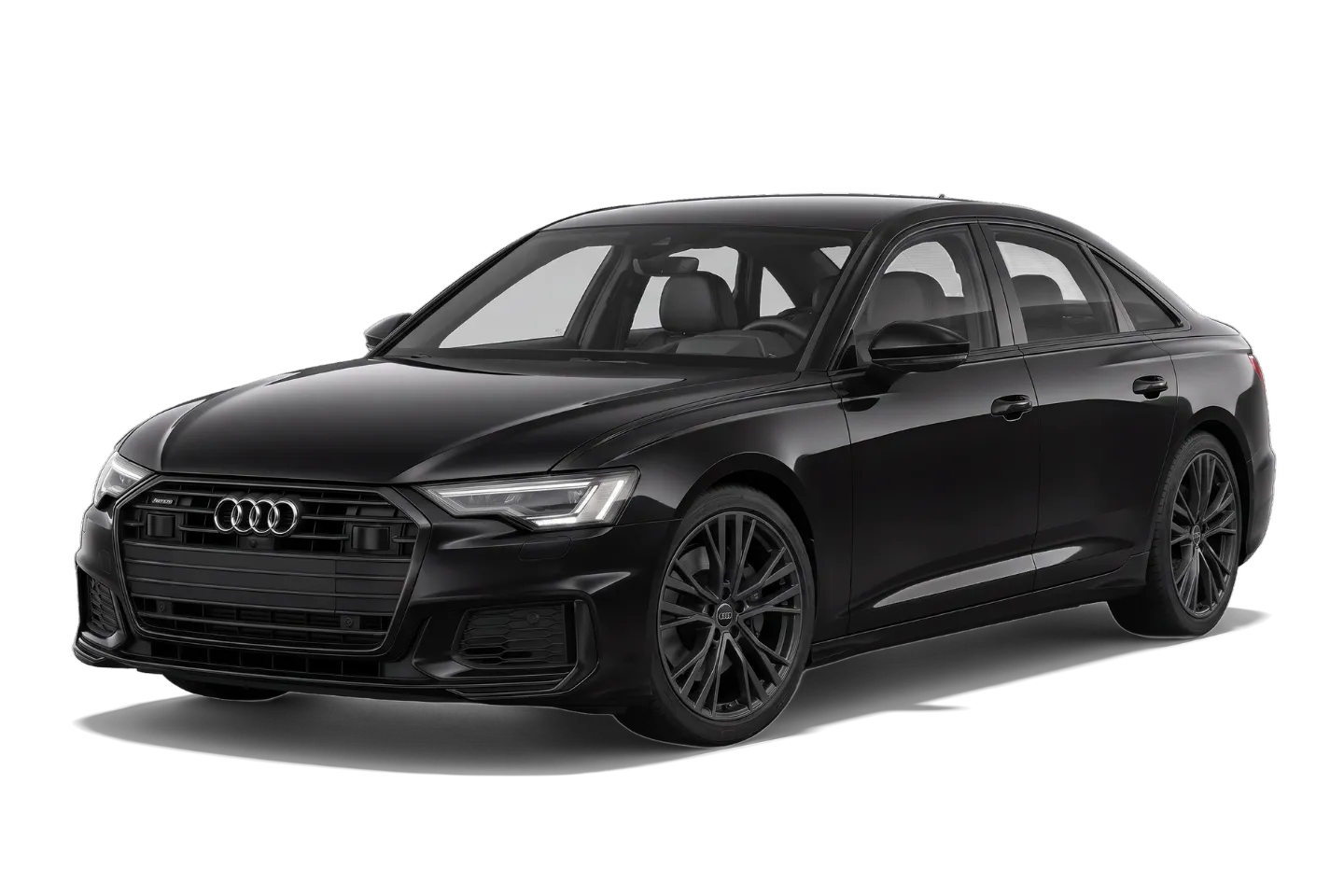
- Executive sedan: up to 3 passengers, such as the Mercedes-Benz E-Class and S-Class.
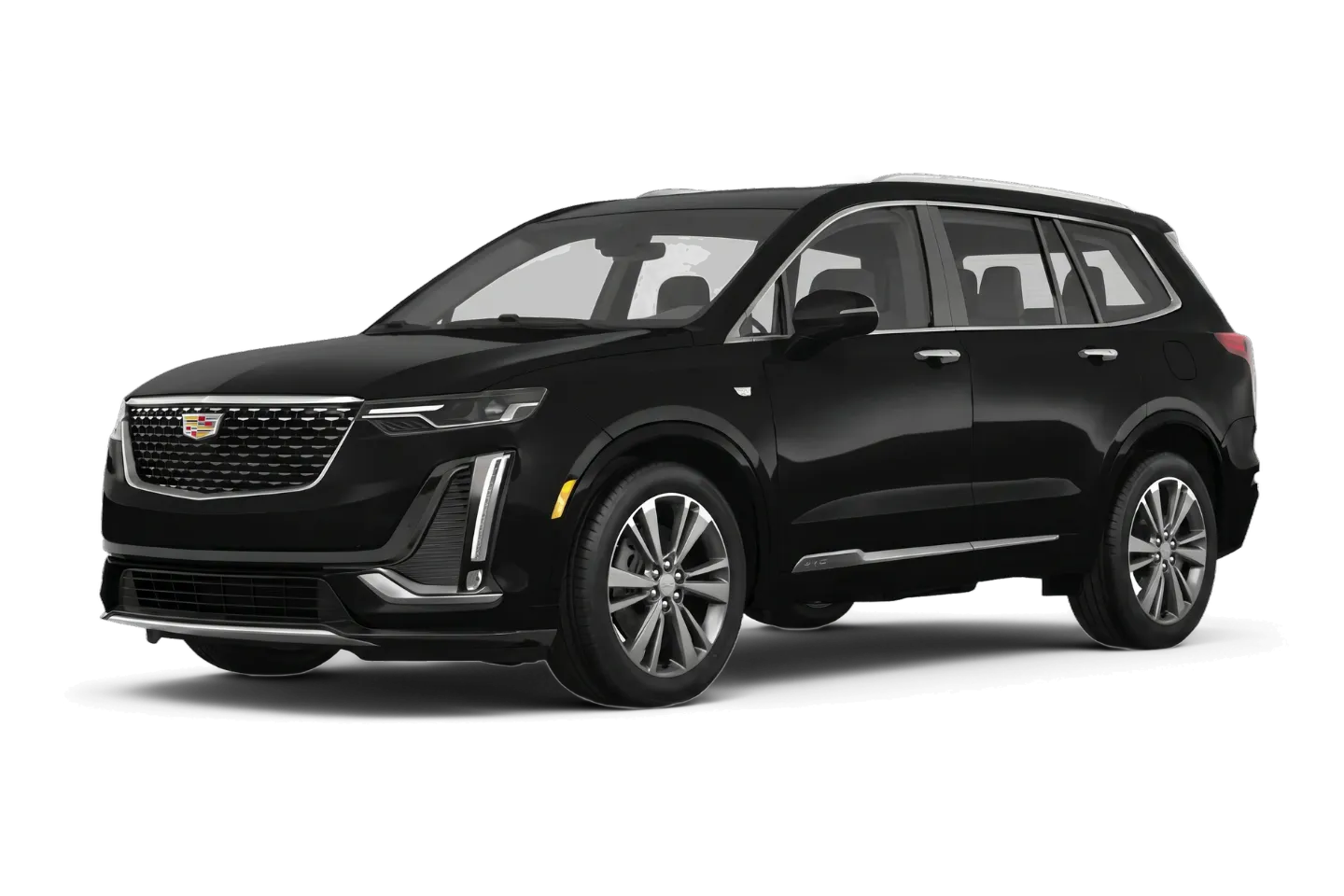
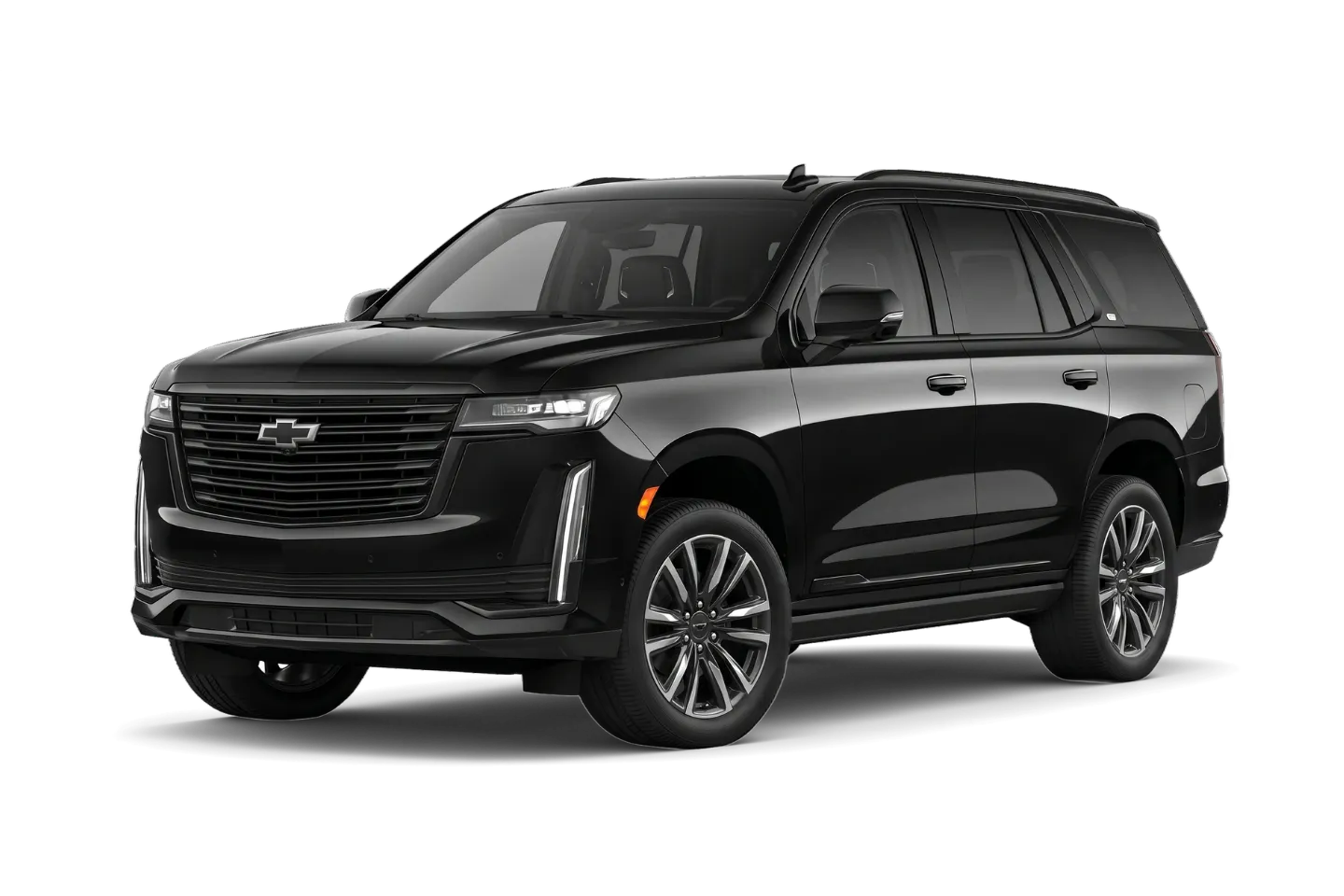
- Luxury SUV: up to 6 passengers, such as the Cadillac Escalade.
- Sprinter van: 10 to 14 passengers in standard layouts.
- Stretch limousine: 6 to 10 passengers.
- Party bus: 20 to 30 passengers.
- Mini charter bus: 24 to 35 passengers.
- Motor coach: up to 56 passengers.
How Do You Get the Best from Your Chauffeur?
- Share the plan: addresses, times, and any fixed appointments.
- State your preferences: temperature, music, route, and conversation.
- Be ready on time: the chauffeur will be early.
- Give notice at each stop: a text a few minutes ahead brings the car to the door.
- Mention changes promptly: an added stop is easy when raised early.
- Trust the routing: the chauffeur knows which road is moving.
- Offer feedback: good companies want to know what went well and what could improve.
- Tip for good service: 15 to 20 percent is customary, unless gratuity is already included.
What Does a Chauffeur Cost in Connecticut?
Typical 2026 hourly rates, with the chauffeur included, are:
- Sedan: $85 to $120.
- SUV: $110 to $160.
- Sprinter van: $140 to $220.
- Stretch limousine: $150 to $275.
- Mini charter bus: $160 to $300.
- Motor coach: $180 to $340.
- Party bus: $200 to $400.
Flat transfers of roughly 15 to 20 miles typically run $85 to $150 in a sedan, $110 to $190 in an SUV, and $160 to $270 in a Sprinter van. Hourly bookings usually carry a minimum of three or four hours, with longer minimums on Saturdays and holidays. For a day long booking, see our guide to the cost of hiring a chauffeur in Connecticut for a full day.
Why Do Connecticut Clients Value Our Chauffeurs?
Since 1997, Legendary Limousine has treated the chauffeur as the heart of the service. Every driver is background checked, professionally trained, and familiar with local routes. Dispatch is available 24 hours a day, flights are tracked on airport reservations, and airport pickups include one hour of complimentary waiting.
- Chauffeur details sent before each ride.
- Early arrivals as standard.
- Service across Connecticut, including Greenwich, Stamford, Norwalk, Bridgeport, New Haven, Hartford, Waterbury, Danbury, and Mystic.
- Written, itemized quotes.
Conclusion: What Does a Chauffeur Really Do?
A chauffeur prepares the vehicle, plans the route, arrives early, drives smoothly, protects the client's privacy and schedule, waits at each stop, handles luggage and doors, and adapts when plans change. Behind the wheel is a licensed professional, and behind that professional is a dispatch team. The result, when it is done well, is a ride you barely notice and a day that runs on time.
To experience it, contact Legendary Limousine at +1 (718) 221-4771 at any hour or request a quote online. Tell us your plans, and our team will assign a chauffeur and vehicle to match.

Susan D. Gray
- Writer Translator & Editor
- Legendary Limousine
Susan D. Gray is the Senior Transportation & Travel Editor at Legendary Limousine, specializing in luxury ground transportation, airport transfers, corporate travel, and chauffeur services across the United States. He…