Both carry paying passengers, yet the jobs differ in booking, pricing, vehicles, and service. Compare taxi drivers and chauffeurs in Connecticut, with licensing rules, 2026 prices, and advice on each.
Both sit behind the wheel, both carry paying passengers, and both know the roads. So is a taxi driver a chauffeur? In everyday speech the words are sometimes swapped, yet the two jobs are built on different models. One serves whoever raises a hand or joins the line. The other is reserved in advance for a particular client and a particular plan. This guide compares the two roles in Connecticut: how each is licensed, how each is hired and priced, what service each provides, and when each is the right choice. It is written by the team at Legendary Limousine, whose work is professional chauffeur service in Connecticut.
What Is the Short Answer?
A taxi driver and a chauffeur are both professional drivers who carry passengers for hire, and in Connecticut both hold a public passenger endorsement. They are different occupations all the same. A taxi driver provides on demand transportation to the general public at a regulated fare. A chauffeur provides prearranged, personal service to a specific client, usually in a higher class of vehicle, with duties that extend well beyond the drive.
What Do the Two Roles Have in Common?
- Both are licensed: Connecticut requires an endorsement on the driver license for anyone who operates a taxi or a livery vehicle. The Department of Motor Vehicles lists the "F" endorsement for both on its Public Passenger Endorsements page.
- Both are screened: applicants for the endorsement complete a fingerprint based criminal background check and a review of their driving record.
- Both work for regulated businesses: the Department of Transportation's Regulatory and Compliance Unit oversees taxicab companies and livery operators alike, as its regulation page explains.
- Both need local knowledge: streets, landmarks, and traffic patterns are tools of the trade.
- Both are responsible for passenger safety: careful driving is the first duty in either seat.
How Do a Taxi Driver and a Chauffeur Differ?
How the Ride Is Arranged
A taxi is hailed on the street where that is permitted, taken from a stand at a station or airport, or summoned by phone for the next available car. A chauffeur is booked ahead of time for a set date, time, and place. The reservation is the defining feature of chauffeured service, which in Connecticut is classed as livery.
Who the Driver Serves
A taxi driver serves the public, one fare after another, with no advance knowledge of who the next passenger will be. A chauffeur is assigned to a named client and prepares for that person's trip: the route, the timing, the preferences, and any special needs.
How the Price Is Set
Taxi fares are regulated and are usually calculated by a meter or a zone schedule, so the final figure depends on distance, time, and traffic. A chauffeured ride is quoted in advance as a flat rate or an hourly rate, and the client knows the price before the car arrives.
The Vehicle
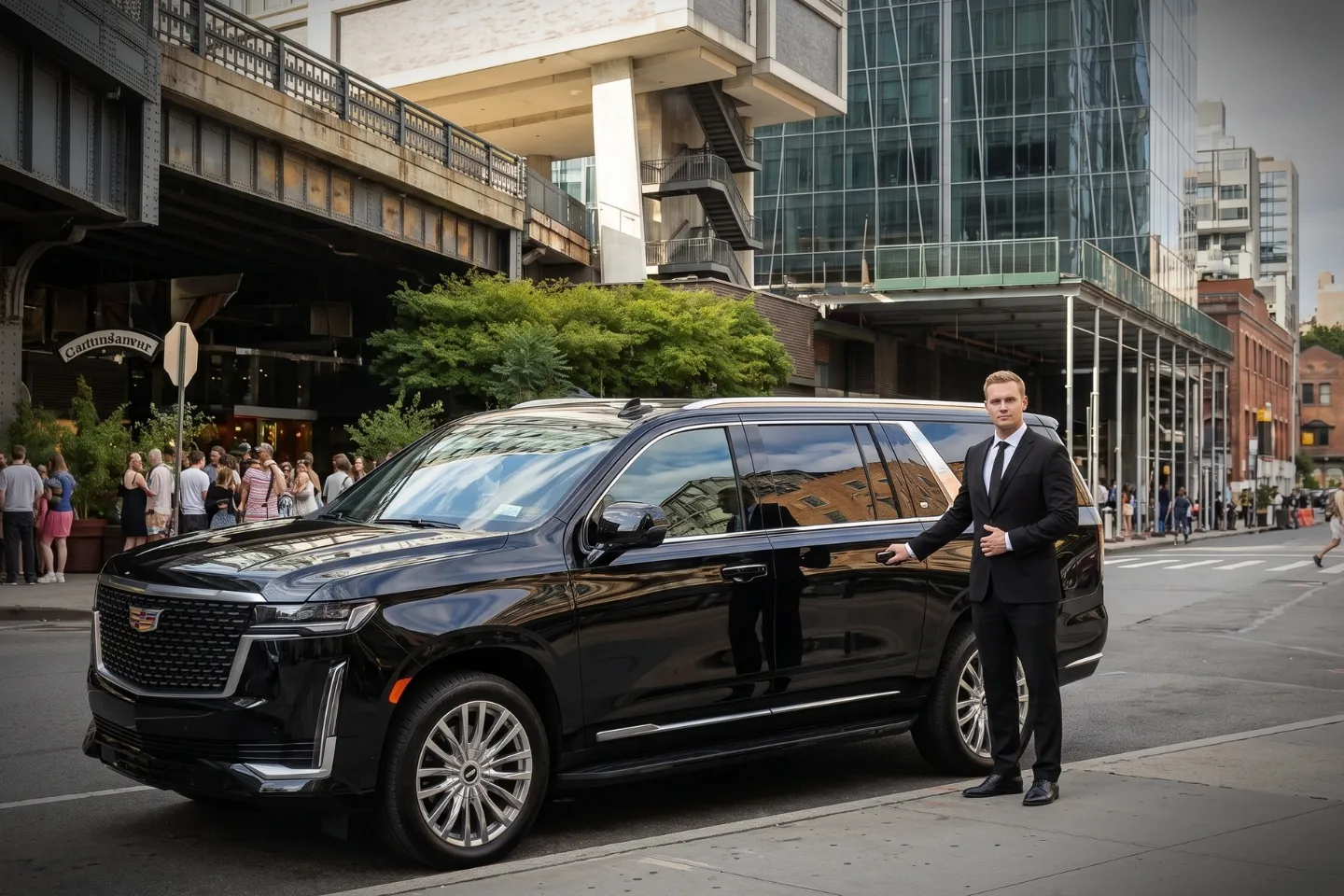
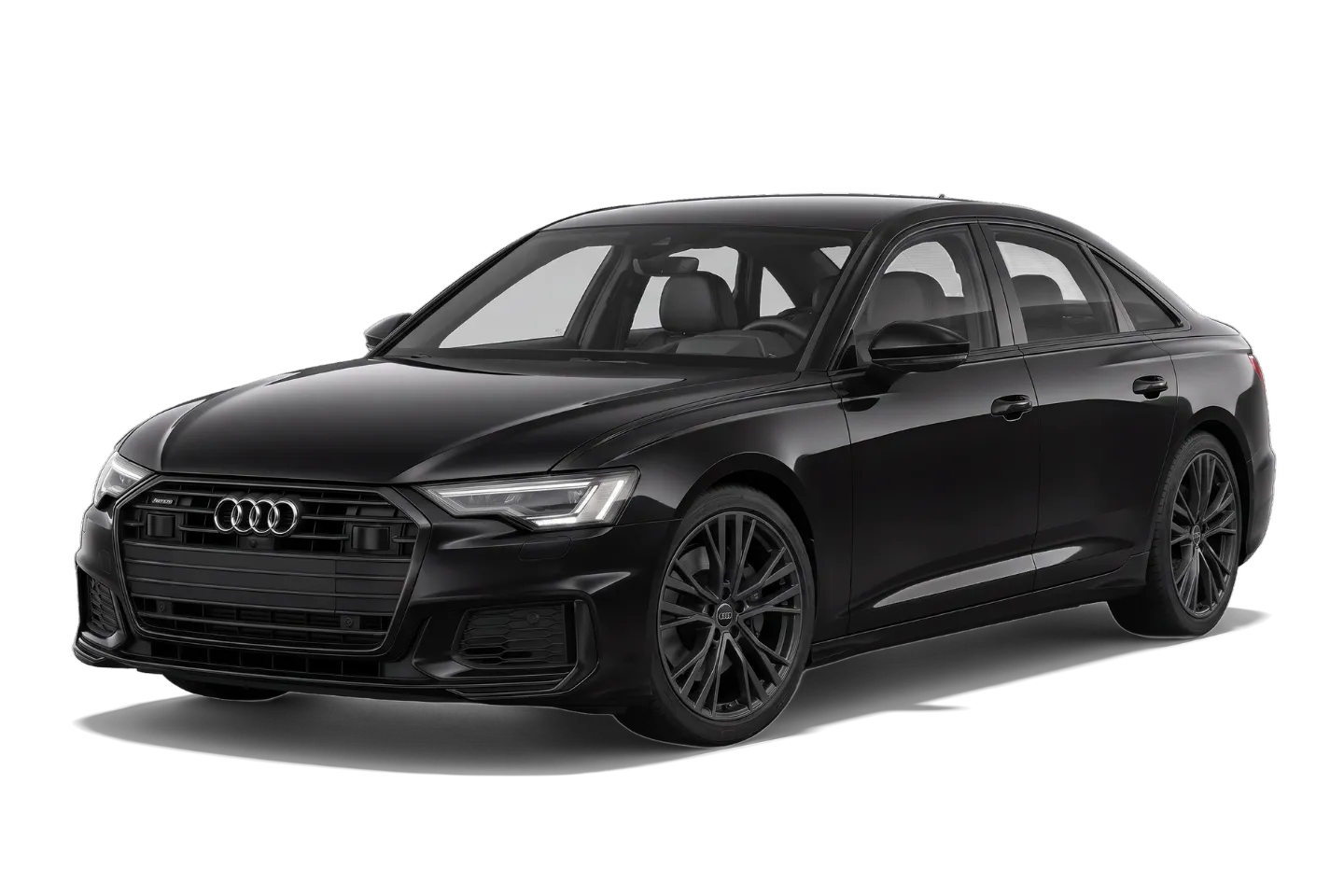
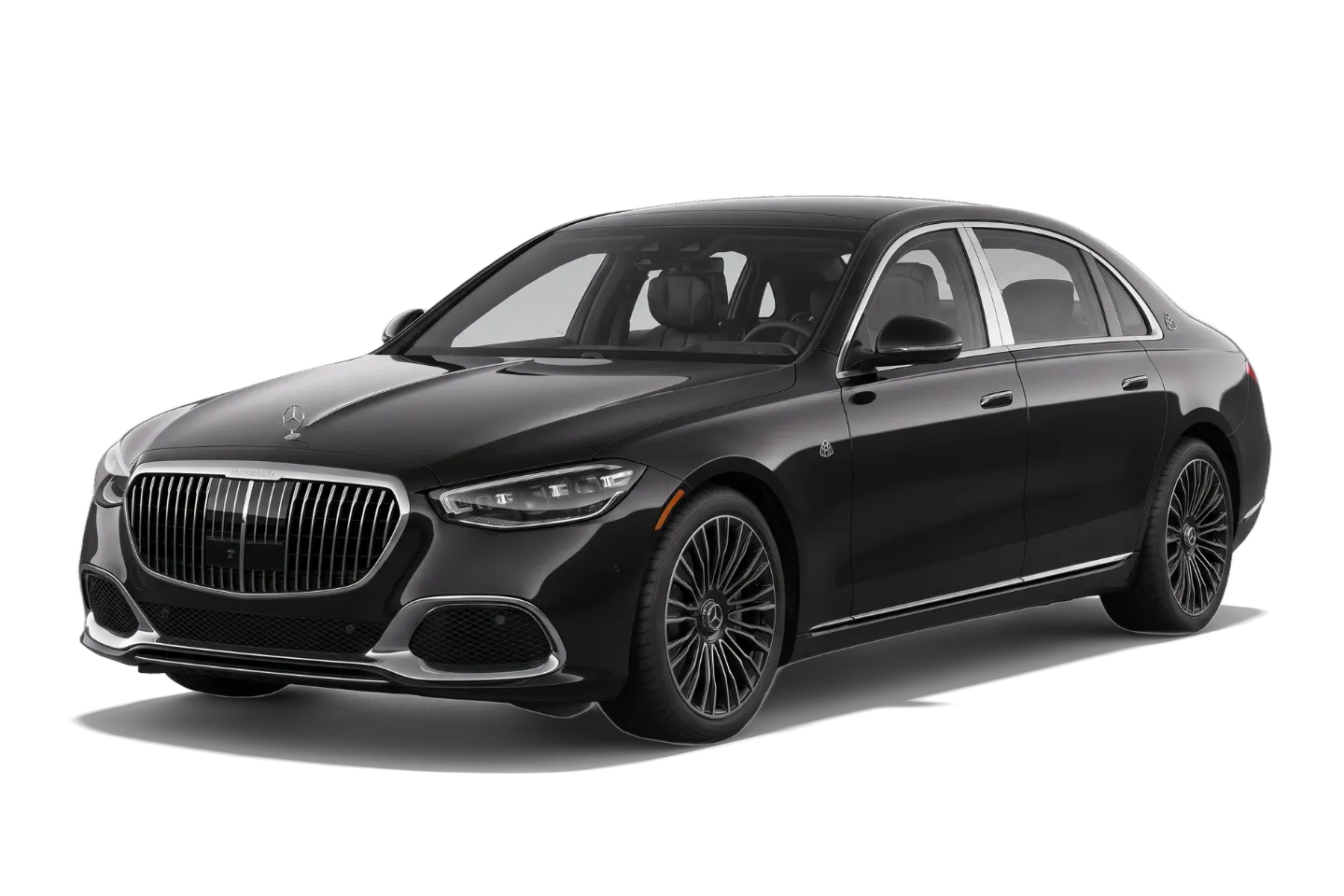
Taxis are working vehicles, typically sedans and minivans, marked with company colors and a roof sign. Chauffeured vehicles are unmarked and of a higher class: executive sedans, luxury SUVs, Sprinter vans, and limousines, cleaned and stocked before each booking.
The Level of Service
A taxi driver's task is to deliver the passenger safely and efficiently. A chauffeur does that and adds a layer of personal service: arriving early, opening doors, handling luggage, tracking flights, waiting at stops, and following the client's preferences on route, temperature, and conversation.
Waiting and Multiple Stops
A taxi generally ends the trip at the destination and moves on to the next fare. A chauffeur on hourly service stays with the client all day, waits during meetings or dinner, and keeps belongings secure in the car.
Where They Operate
Taxi companies are authorized to serve particular towns and areas. Chauffeured services are dispatched to the client's address and commonly travel across the state and beyond, including to New York and Boston.
Appearance and Presentation
Taxi drivers dress practically for a long shift. Chauffeurs are expected to present formally, usually in a dark suit, with a vehicle to match.
Why Are Taxis and Chauffeured Cars Regulated as Different Services?
The two meet different public needs. Taxis provide immediate transportation to anyone who asks, so the rules focus on availability, identifiable vehicles, and regulated fares that protect a passenger who has no chance to negotiate. Chauffeured livery is prearranged between a client and a company, so the rules focus on the operator's authority, the driver's screening, and the terms agreed in advance. Each set of rules fits its own kind of trip. Understanding that split explains why a livery car does not pick up street hails, and why a cab cannot be reserved for your wedding with a guaranteed vehicle and a fixed quote.
Where Do Ride App Drivers Fit In?
App drivers form a third group. They use their own cars and accept trips on demand through a platform, which sets the fare according to demand. In Connecticut, the same transportation department unit that regulates taxis and livery also oversees these platforms, under separate rules. In practical terms, an app ride resembles a taxi in being on demand and resembles neither in pricing, since fares rise and fall with the number of riders seeking a car. A chauffeur differs from both by being reserved, prepared, and allocated in advance.
Do Taxis and Chauffeured Vehicles Follow the Same Road Rules?
Mostly, with a few differences worth knowing. Connecticut's historic parkways restrict commercial traffic, and the state's page on parkway use and restrictions notes that the ban on commercial traffic does not apply to taxicabs, among other listed exceptions. Any vehicle must still meet the height, width, and length limits, which rules out tall vans and buses. A professional driver of either kind knows which roads are open to the vehicle in use and plans accordingly.
What Does the Same Trip Look Like Each Way?
Take a traveler landing at Bradley International at 9 p.m. with two suitcases, heading to a hotel in downtown Hartford.
By taxi: the traveler collects the bags, follows the signs to the taxi stand, and waits for the next cab. The driver loads the luggage, starts the meter, and sets off. The ride is direct. At the hotel, the fare shown on the meter is paid, and the cab leaves for its next passenger. It is a perfectly good way to travel, and the cost is known at the end.
By chauffeur: the traveler switches on the phone at the gate and finds a message with the chauffeur's name. At baggage claim, a person in a dark suit is holding a sign. The bags are taken, and the car is a short walk away, cool and stocked with water. The chauffeur already knows the hotel entrance. The price was agreed three days earlier, and the receipt arrives by email. If the flight had been two hours late, the car would still have been there.
Both travelers reach the hotel. The difference lies in how much they had to think about on the way.
When Is a Taxi the Right Choice?
Taxis do certain jobs very well.
- Short local trips: from the train station to an office, or from a hotel to a restaurant.
- Spontaneous travel: when you had no plan and need a ride now.
- Busy locations: airports, stations, and downtown areas where cabs wait in line.
- Single passengers with little luggage: a quick, simple fare.
- One way journeys with no waiting: the cab drops you and moves on.
When Is a Chauffeur the Right Choice?
- Airport transfers: especially early departures, late arrivals, and international flights where tracking matters.
- Business travel: meetings with fixed times, client pickups, and days with several stops.
- Special occasions: weddings, proms, anniversaries, and celebrations.
- Groups: any party too large for a sedan.
- Long distances: rides to New York, Boston, or across the state.
- Suburban and rural pickups: places where cabs are scarce.
- Passengers who need help: older travelers, families with young children, and visitors unfamiliar with the area.
- Any trip where certainty matters: a fixed price and a confirmed car at a confirmed time.
Which One Fits Each Situation?
- A 5:00 a.m. ride from Glastonbury to Bradley International: chauffeur.
- A ten minute hop from Stamford station to a nearby office: taxi.
- A day of four meetings between New Haven and Hartford: chauffeur, on hourly service.
- A ride home after an unplanned late dinner downtown: taxi.
- A wedding party of twelve: chauffeur with a Sprinter van.
- A visiting executive arriving at JFK: chauffeur with a meet and greet.
- A grandmother's medical appointment with a walker: chauffeur.
- A quick trip from a hotel to the convention center in the rain: taxi.
- Prom night for eight students: chauffeur with a stretch limousine.
- A night at the casino for six friends: chauffeur with an SUV.
How Do the Costs Compare?
The two are priced on different principles, which makes a direct comparison depend on the trip.
Taxi Fares
A taxi fare reflects the distance and time of a single journey. For a short ride, it is usually the lowest cost option. On a long trip in heavy traffic, a metered fare climbs with every minute, and the total is unknown until the end.
Chauffeur Rates
Chauffeured service is quoted in advance. Typical 2026 figures are:
- Executive sedan (up to 3 passengers): $85 to $120 per hour, or roughly $85 to $150 for a flat transfer of 15 to 20 miles.
- Luxury SUV (up to 6 passengers): $110 to $160 per hour, or roughly $110 to $190 for a similar transfer.
- Sprinter van (10 to 14 passengers): $140 to $220 per hour, or roughly $160 to $270 for a similar transfer.
- Stretch limousine (6 to 10 passengers): $150 to $275 per hour.
- Mini charter bus (24 to 35 passengers): $160 to $300 per hour.
- Motor coach (up to 56 passengers): $180 to $340 per hour.
- Party bus (20 to 30 passengers): $200 to $400 per hour.
Hourly bookings usually carry a minimum of three or four hours. A chauffeur costs above a taxi for a short hop and can cost less per person for a group, since six people in one SUV replace two cabs. For longer bookings, see our guide to the cost of hiring a chauffeur in Connecticut for a full day.
What Does a Chauffeur Do That a Taxi Driver Usually Does Not?
- Studies your itinerary before the day of travel.
- Sends you a name and phone number ahead of pickup.
- Arrives ten to fifteen minutes early and waits for you.
- Tracks your flight and adjusts for delays.
- Meets you inside the terminal with a name sign on request.
- Stays with you through a day of stops.
- Keeps the vehicle stocked with water and chargers.
- Works with a dispatcher who knows your schedule.
- Provides an itemized receipt from the company afterward.
Our article on what a chauffeur does in Connecticut describes these duties stage by stage.
Can a Taxi Driver Become a Chauffeur?
Yes, and many do. The driving skills and the endorsement carry over. What changes is the style of work. A new chauffeur learns to prepare for individual clients, to manage reservations in place of a queue, to handle higher end vehicles, and to offer a more formal standard of service. Companies provide training in airport procedures, client care, and the use of dispatch systems. Our guide to the qualifications a chauffeur needs in Connecticut sets out the requirements.
Which Myths Blur the Two Roles?
- "A chauffeur is a taxi driver in a suit": the business model, the preparation, and the service are all different.
- "Taxis are unregulated": taxi companies and their drivers are licensed and overseen by the state.
- "Chauffeurs are only for the wealthy": most chauffeured rides are ordinary airport and business trips, often shared.
- "A black car at the curb is a chauffeured service": without a reservation and a licensed company, it is an unlicensed ride.
- "The fare will be about the same": one is metered and the other is quoted, so the totals can differ in either direction.
- "Any driver will wait for you": waiting is built into hourly chauffeur service, while a standard taxi trip ends at the destination.
Which Vehicles Does a Chauffeur Service Provide?
A taxi fleet is built around one or two vehicle types. A chauffeur service matches the vehicle to the booking. At Legendary Limousine, the fleet includes:
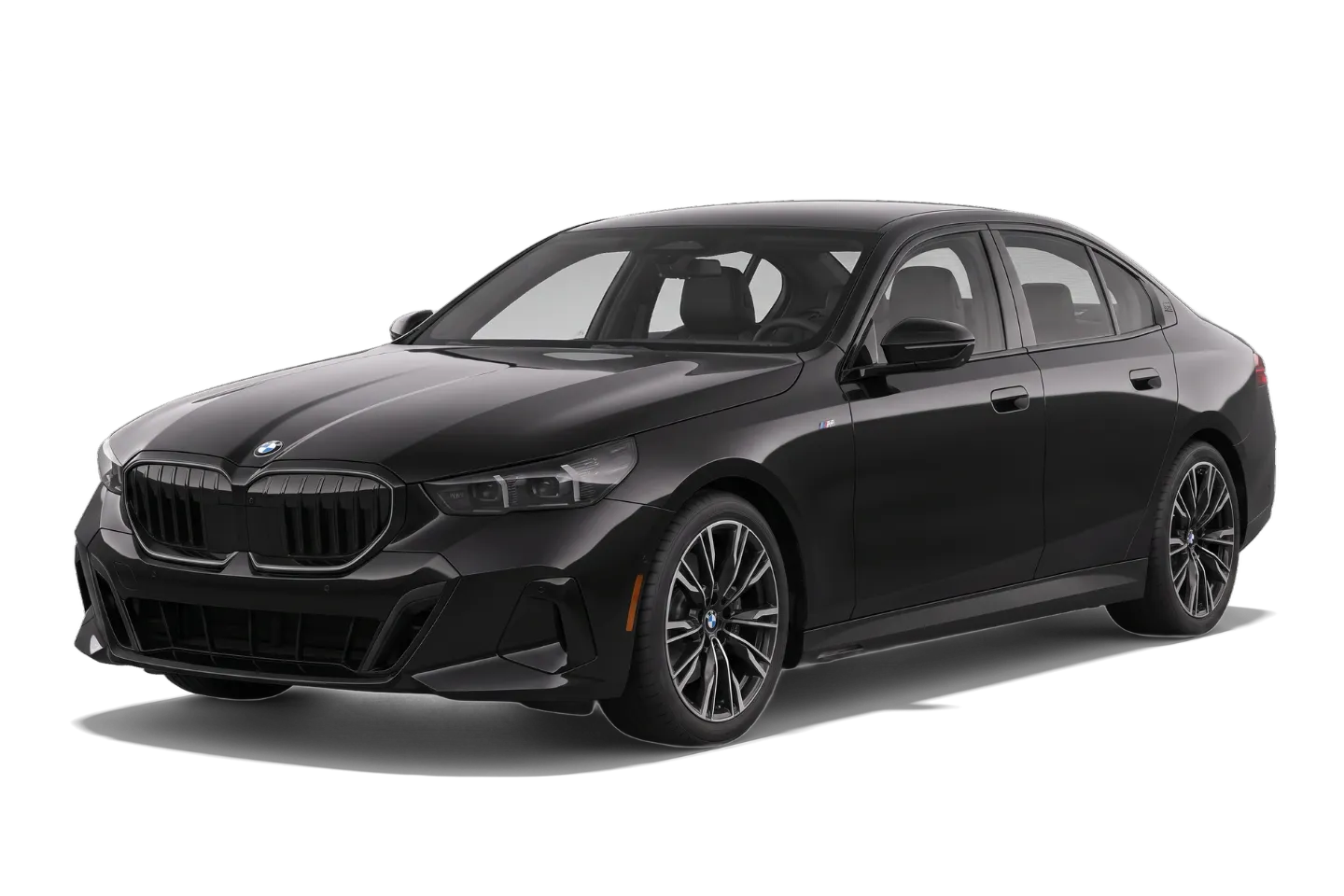
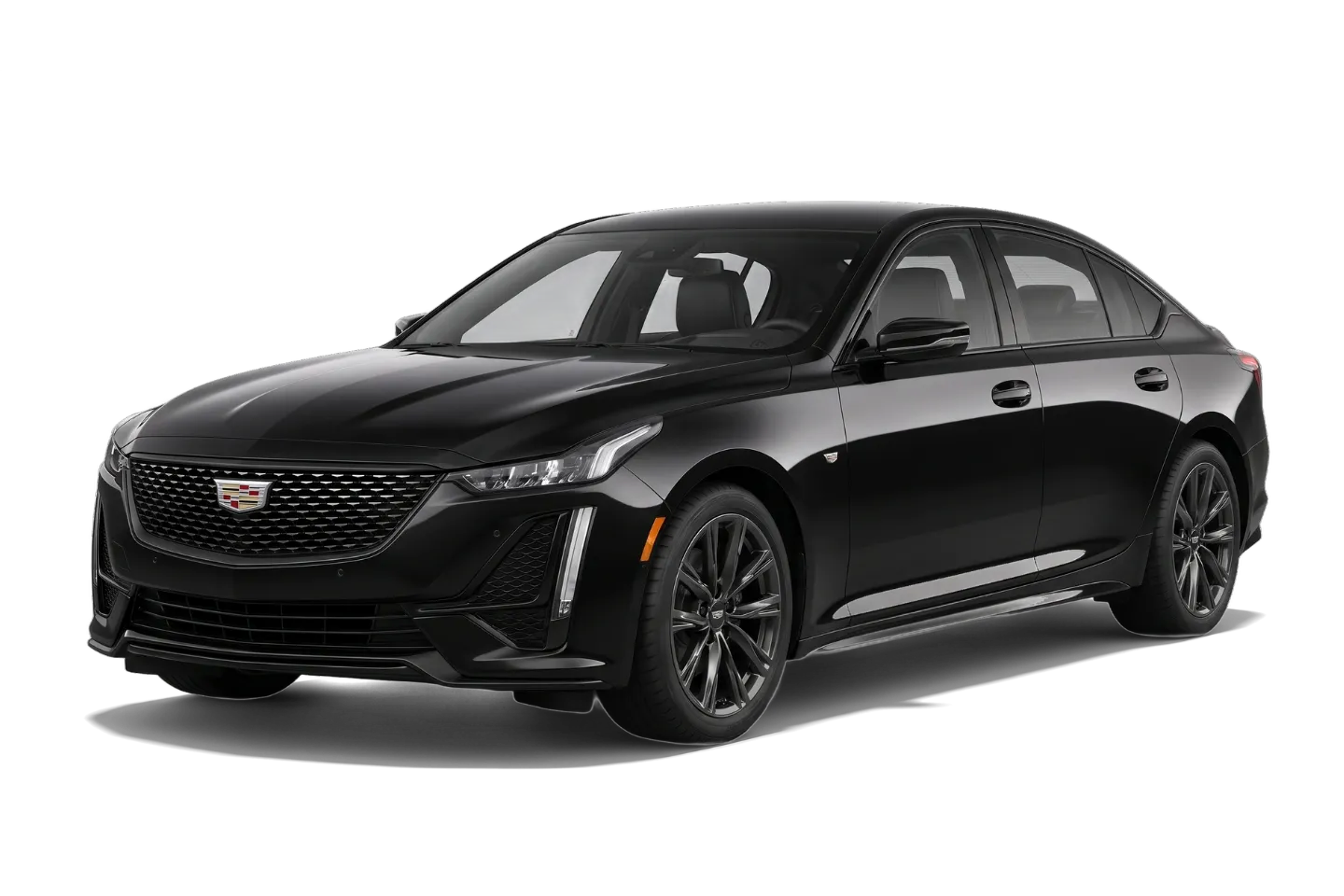
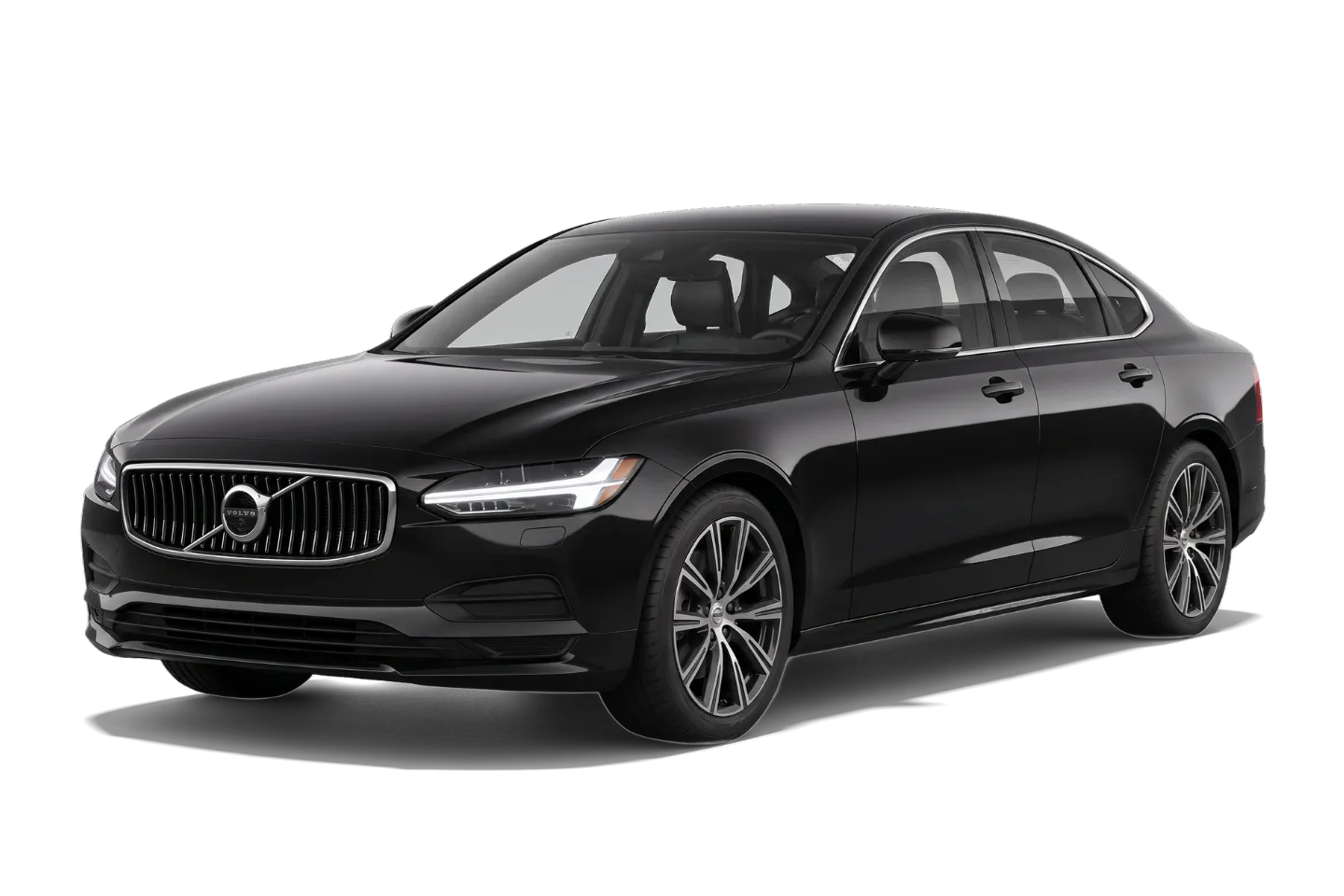
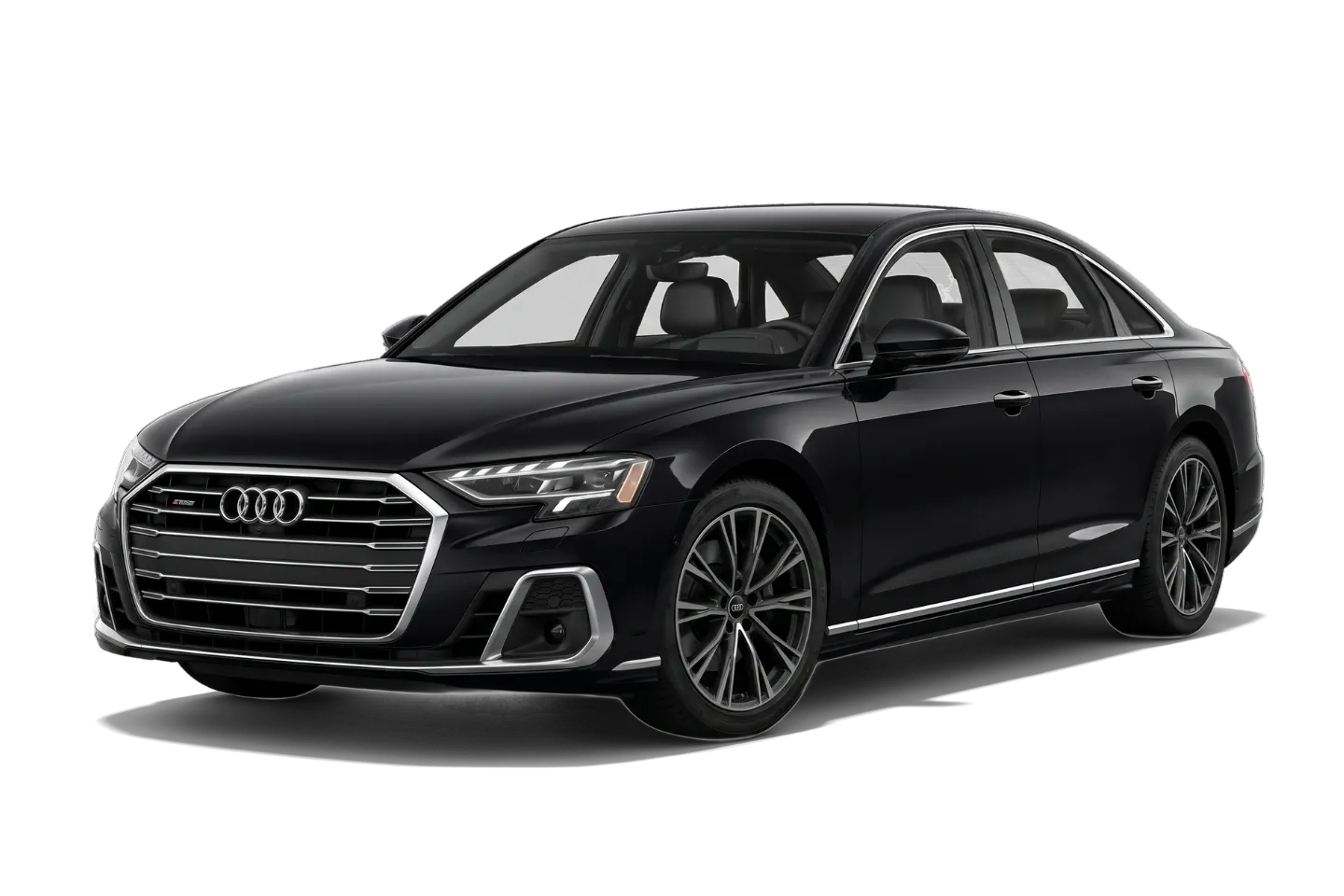
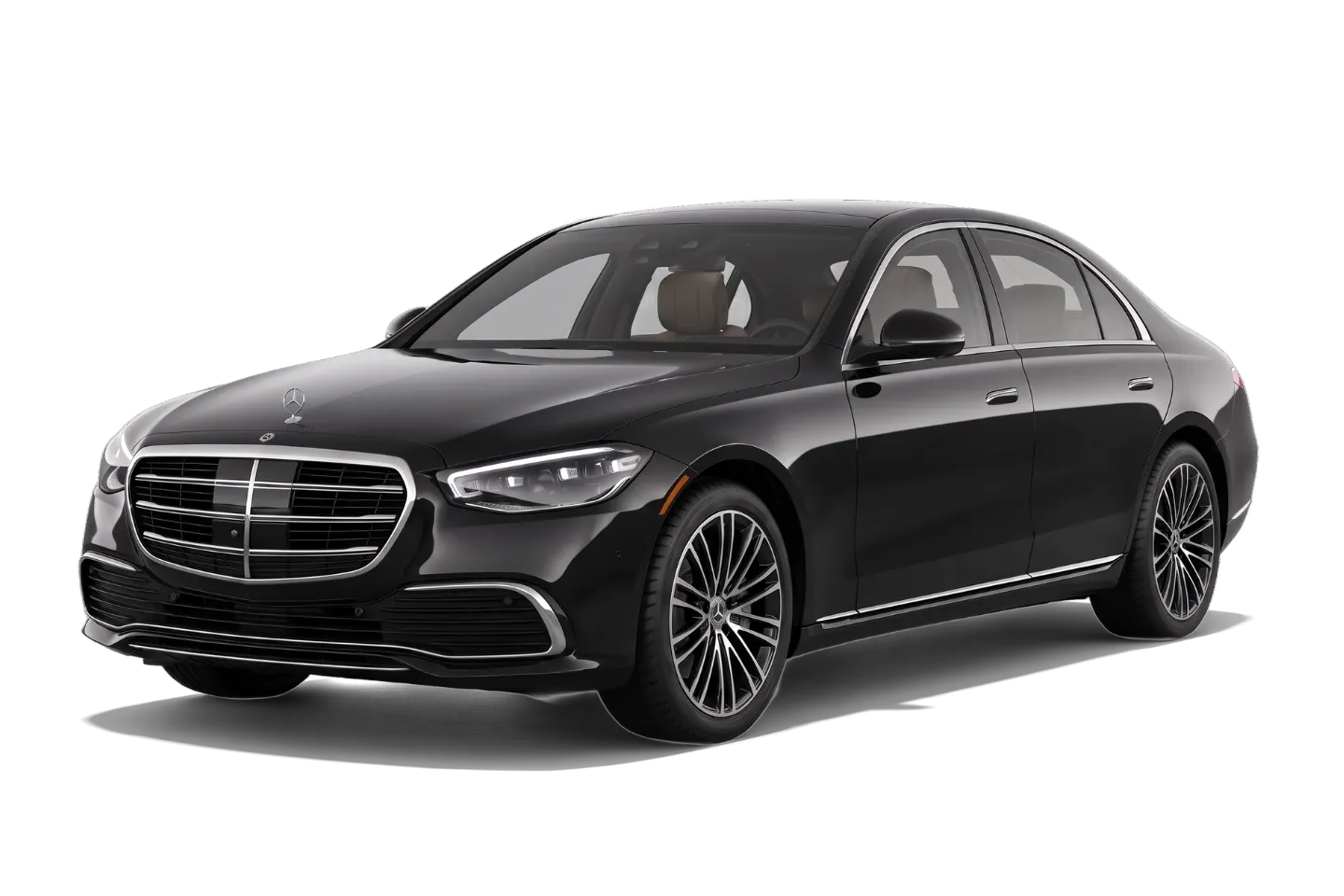
- Executive sedan: up to 3 passengers, such as the Mercedes-Benz E-Class and S-Class.
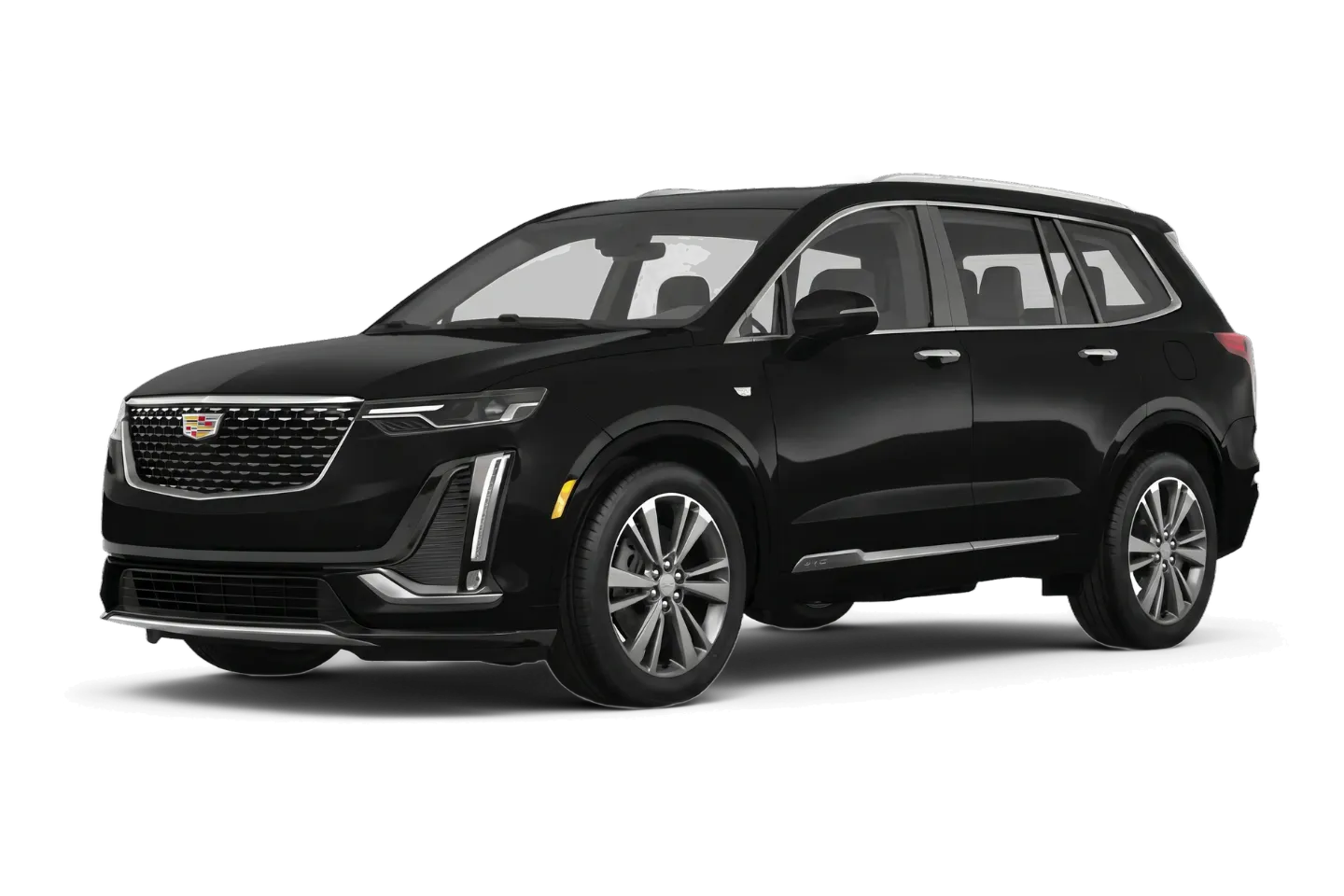
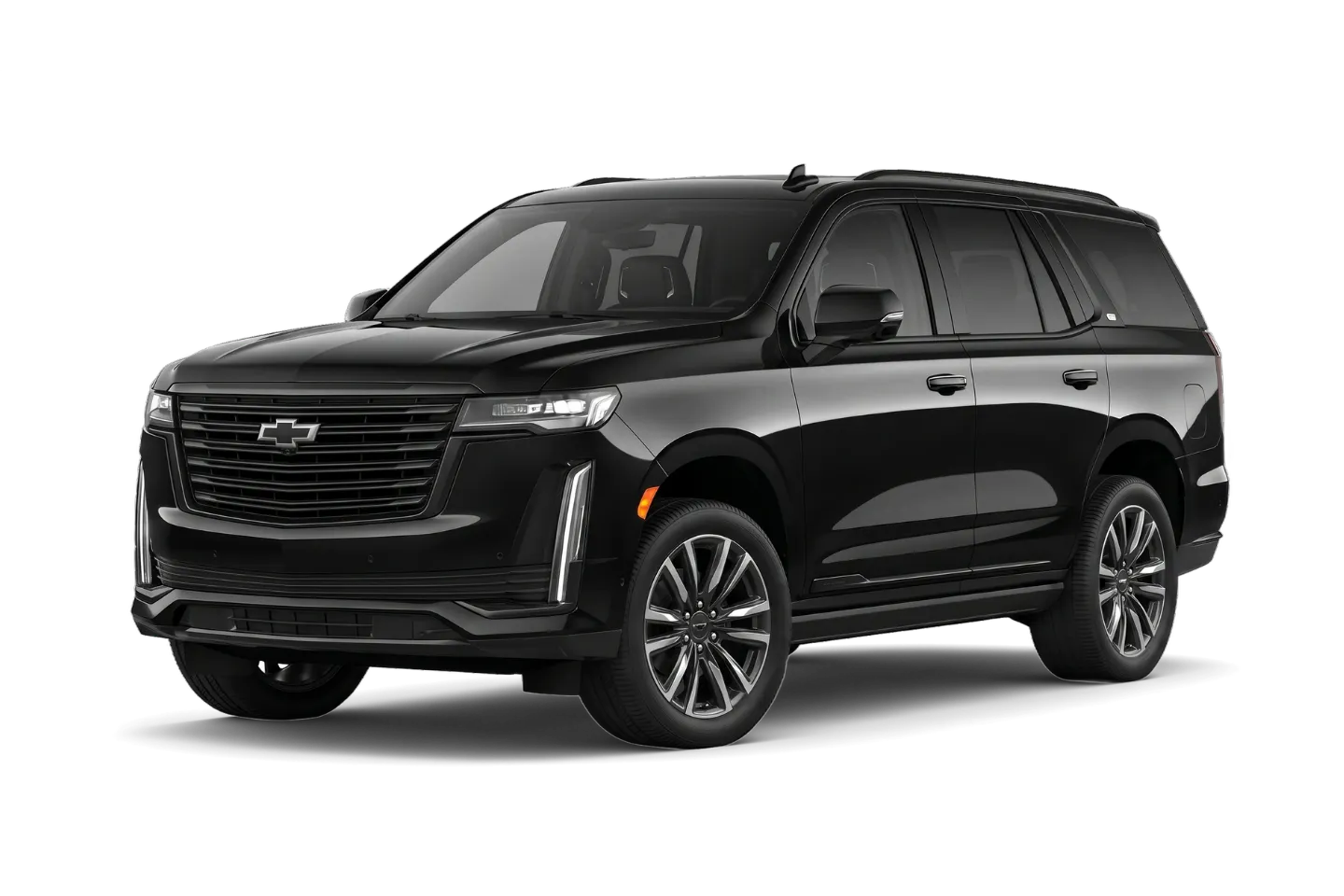
- Luxury SUV: up to 6 passengers, such as the Cadillac Escalade.
- Sprinter van: 10 to 14 passengers in standard layouts.
- Stretch limousine: 6 to 10 passengers.
- Party bus: 20 to 30 passengers.
- Mini charter bus: 24 to 35 passengers.
- Motor coach: up to 56 passengers.
How Do You Tell a Legitimate Service from an Unlicensed One?
Whichever you choose, use a licensed provider.
- For a taxi: look for company markings, a roof sign, and a visible driver identification. Take cabs from official stands at airports and stations.
- For a chauffeur: book in advance with a company that provides a written confirmation, the chauffeur's name, and proof of commercial insurance on request.
- For either: decline rides offered by individuals who approach you inside a terminal or on the street without identification.
How Do You Book a Chauffeur in Connecticut?
- Step 1: Note the date, time, addresses, and number of passengers.
- Step 2: Add the flight number for airport rides.
- Step 3: Choose a vehicle or request a recommendation.
- Step 4: Request a written quote that shows the rate, gratuity, and any tolls.
- Step 5: Confirm with a card and save the confirmation.
Sedans and SUVs can often be booked a day or two ahead. For a full day, see our article on hiring someone to drive you around for a day in Connecticut. Airport travelers can use our Connecticut airport chauffeur service, and single trips are covered by our car service in Connecticut.
Why Do Connecticut Riders Choose Our Chauffeurs?
Since 1997, Legendary Limousine has provided the prearranged, personal service that defines the profession. Every driver is background checked, professionally trained, and familiar with local routes. Dispatch is available 24 hours a day, quotes are written and itemized, and airport reservations include flight tracking with one hour of complimentary waiting on pickups.
- A named chauffeur and a confirmed vehicle for every booking.
- Fixed prices agreed in advance.
- Service across Connecticut, including Greenwich, Stamford, Norwalk, Bridgeport, New Haven, Hartford, Waterbury, Danbury, and Mystic.
- Vehicles for one passenger or fifty.
Conclusion: Is a Taxi Driver a Chauffeur?
A taxi driver and a chauffeur share a license endorsement, a duty of care, and a knowledge of the road. They differ in how the ride is arranged, how it is priced, which vehicle is used, and how much service surrounds the drive. A taxi is the practical answer for a short, unplanned trip. A chauffeur is the right choice when the time is fixed, the occasion matters, the group is large, or the day has several stops.
For a prearranged ride with a professional chauffeur, contact Legendary Limousine at +1 (718) 221-4771 at any hour or request a quote online. Tell us your plans, and our team will send the right vehicle at a clear price.

Susan D. Gray
- Writer Translator & Editor
- Legendary Limousine
Susan D. Gray is the Senior Transportation & Travel Editor at Legendary Limousine, specializing in luxury ground transportation, airport transfers, corporate travel, and chauffeur services across the United States. He…