Visiting or new to the state? See how Connecticut's buses, CTfastrak, commuter trains, and ferries work, what they cost in 2026, where the network falls short, and when a private ride is a better fit.
Yes, Connecticut has public transport, and for a small state the network is broad. Local buses serve the cities, commuter trains run along the shoreline and up the middle of the state, and a bus rapid transit line links Hartford with New Britain. The network also has gaps, which is where a private car service in Connecticut fits in for airports, late hours, and towns the timetable does not reach. At Legendary Limousine, we have moved travelers around the region since 1997, and this guide gives visitors and residents a plain account of what public transport can and cannot do here.
You will find the main bus and rail systems, current fares, airport connections, the weak spots, and advice on choosing between transit and a private ride.
What Public Transport Does Connecticut Have?
- Local buses: CTtransit in the larger cities, plus regional transit districts elsewhere.
- Bus rapid transit: CTfastrak between Hartford and New Britain.
- Commuter rail: the New Haven Line to New York, the Hartford Line, and Shore Line East.
- Intercity rail: Amtrak along the Northeast Corridor and inland through Hartford.
- Intercity coaches: private operators linking the cities with New York and Boston.
- Ferries: crossings from Bridgeport and New London to Long Island and nearby islands.
- Demand response services: Dial-a-Ride and ADA paratransit for older adults and people with disabilities.
How Do Local Buses Work?
CTtransit
CTtransit is the state owned bus system. It operates in the Hartford, New Haven, Stamford, Waterbury, New Britain, Bristol, and Meriden areas. The Connecticut Department of Transportation gives an overview of the statewide network on its CT buses page.
Regional Transit Districts
Outside the CTtransit cities, regional districts run local routes. Examples include Greater Bridgeport Transit, Norwalk Transit District, Southeast Area Transit in the New London region, and HARTransit in the Danbury area. Each sets its own routes and schedules.
CTfastrak
CTfastrak is a dedicated busway between downtown Hartford and New Britain, with stations along the route and frequent service. Buses avoid highway traffic on the busway and continue onto local streets to reach surrounding towns.
How Much Does the Bus Cost?
CTtransit publishes its prices on its fare options page. At the time of writing, the main fares are:
- 2-hour pass: $1.75.
- All-day pass: $3.50.
- 31-day pass: $63.
- Reduced 2-hour pass for qualifying seniors and riders with disabilities: $0.85.
- Reduced all-day pass: $1.70.
Are Buses Free in Connecticut?
They were for a period. The state suspended bus fares from spring 2022 until the end of March 2023, and fares returned on April 1, 2023. Today, riders pay the fares listed above, with reduced prices for those who qualify. Regional districts publish their own fares, which are broadly similar.
How Do You Pay?
- Cash on board, with exact change.
- A stored value card.
- A mobile ticketing app.
- Passes sold at customer service centers and partner retailers.
Which Trains Serve Connecticut?
New Haven Line
One of the busiest commuter rail lines in the country runs from New Haven through Bridgeport, Norwalk, Stamford, and Greenwich to Grand Central Terminal in Manhattan. Branches reach New Canaan, Danbury, and Waterbury. Service is frequent at rush hour and regular through the day.
Hartford Line
Trains connect New Haven, Meriden, Hartford, Windsor Locks, and Springfield in Massachusetts. Riders change at New Haven for New York bound trains.
Shore Line East
This line follows the coast from New Haven to Old Saybrook and New London, with a schedule aimed at commuters.
Amtrak
Intercity trains stop at Stamford, Bridgeport, New Haven, Old Saybrook, New London, Mystic, Hartford, and other stations on the way to New York, Boston, and beyond.
How Are Rail Fares Set?
Fares depend on the distance and, on the New Haven Line, on the time of day. Peak trains cost above off peak ones. Check the operator's app or website for the fare between your two stations.
Can You Reach the Airports by Public Transport?
Bradley International Airport
A local bus route links downtown Hartford with the terminal, and Hartford Line trains stop at Windsor Locks, a short connection away. The trip works well for travelers with light bags who start in Hartford. From other parts of the state, it involves changes. Our page on car service to Bradley International Airport covers the direct alternative.
Tweed New Haven Airport
Local buses run between downtown New Haven and the airport area. Service is limited early in the morning, when many flights leave. See our page on car service to Tweed New Haven Airport.
JFK, LaGuardia, and Newark
Travelers ride the train into New York City and connect onward. For JFK, the Metropolitan Transportation Authority sets out the subway and commuter rail connections in its guide to reaching JFK. The journey is inexpensive and takes two or three changes. We compare every option in our article on the cheapest ways to reach JFK from Connecticut.
What About Ferries and Coaches?
- Bridgeport to Port Jefferson: a car and passenger ferry over the water to Long Island.
- New London: ferries to Orient Point on Long Island, Fishers Island, and Block Island.
- Intercity coaches: services from Hartford, New Haven, Stamford, and other cities to New York and Boston, often at low advance fares.
- Casino buses: scheduled coaches to the resorts in the southeast of the state.
What Is the Cheapest Way to Get Around Connecticut?
The local bus is the cheapest form of transport in the state. A $3.50 all-day pass covers unlimited rides on CTtransit local routes for a day, and a 31-day pass at $63 suits regular commuters. For trips between cities, off peak trains and advance coach tickets cost the least. Walking and cycling work well within compact downtowns such as New Haven, Stamford, and West Hartford.
Where Does Public Transport Work Well?
- The shoreline corridor: Greenwich to New Haven, with frequent trains and local buses at most stations.
- Greater Hartford: the largest bus network in the state plus CTfastrak.
- New Haven: a walkable center with buses, three rail services, and a university shuttle culture.
- Stamford and Norwalk: strong links to New York for commuters.
- Trips to Manhattan: rail is usually quicker than driving at rush hour.
Where Are the Gaps?
Rural Towns
Litchfield County in the northwest and Tolland and Windham counties in the northeast have limited fixed route service. Many villages have no bus at all. Our Windham County car service and Middlesex County car service pages describe private options in those areas.
Evenings and Sundays
Schedules thin out after the evening commute. On Sundays and holidays, many routes run hourly or stop early.
The Last Mile
A train can bring you to the station, though the hotel, office, or wedding venue may be several miles away with no connecting bus.
Cross-State Trips
The network is built around travel to Hartford, New Haven, and New York. A trip between two smaller towns, such as Danbury to Middletown, can require several changes and take hours.
Luggage and Groups
Buses and commuter trains have little room for large suitcases, and keeping a group of ten together through connections takes patience.
Attractions Off the Grid
Vineyards, country inns, hiking areas, wedding barns, and many shoreline villages sit well away from any route.
How Do Visitors Use the System?
- Plan trips with a mapping app, which includes most Connecticut bus and rail schedules.
- Buy an all-day pass if you expect three or more bus rides.
- Travel off peak on trains for lower fares and more space.
- Check the last departure of the day before you set out.
- Carry a little cash in small bills for buses.
- Allow extra time for connections in winter.
Who Runs Public Transport in Connecticut?
The Connecticut Department of Transportation funds and oversees most of the network. It owns the CTtransit bus system, which private contractors operate, and it supports the regional transit districts that serve other parts of the state. On the rail side, the department owns much of the track and equipment in the state and contracts with railroads to run the New Haven Line, the Hartford Line, and Shore Line East. Amtrak operates its own intercity trains over the same corridors. For riders, the practical result is a set of connected services with separate timetables and, in many cases, separate tickets.
How Do Commuters Use the System?
- Rail to New York: tens of thousands of residents of Fairfield and New Haven counties ride the New Haven Line to Manhattan each workday.
- Express buses to Hartford: commuter routes run from park and ride lots in surrounding towns to downtown offices.
- CTfastrak: riders from New Britain, Newington, and West Hartford reach the capital without highway delays.
- Station parking: most rail stations have commuter lots, with permits or daily fees set by each town.
- Bikes: buses carry front racks, and off peak trains accept bicycles.
What Does a Car-Free Day Look Like for a Visitor?
Picture a visitor staying in downtown New Haven. In the morning, she walks to the university museums, which sit within a few blocks of the green. At noon, she buys an all-day pass for $3.50 and rides a local bus to the pizza restaurants of Wooster Square and then out toward the shoreline near Lighthouse Point. In the afternoon, a Hartford Line train takes her to the capital in under an hour for a visit to the Mark Twain House, reached by a short bus ride from Union Station.
The day works because every stop lies on a main route. The evening is where the plan needs help. Dinner at a country inn in the Connecticut River Valley has no bus, and the last train back leaves before dessert. A reserved car for that final leg completes a day that cost very little up to that point.
How Do Weather and Holidays Affect Service?
Snowstorms slow buses and can suspend routes on steep or narrow streets. Trains keep running in most weather, sometimes on a reduced timetable. On major holidays, buses and commuter trains follow a Sunday or special schedule. Check the operator's alerts page on the morning of travel, and keep a backup plan for any trip tied to a flight or an appointment.
Is Public Transport Accessible?
Buses in the state system have low floors or ramps, priority seating, and stop announcements. Major rail stations have elevators and high level platforms, though certain smaller stations are harder to use. People whose disability prevents use of the regular bus can apply for ADA paratransit, and many towns run Dial-a-Ride vans for older residents. Our guide to how seniors without a car get around in Connecticut explains those services in detail.
When Does a Private Car Make Sense?
Public transport is the right choice for daily commuting and for simple trips along the main corridors. A private vehicle fills the gaps listed above.
- Airport transfers: door to door travel with luggage, at any hour, timed to the flight.
- Early and late trips: a 4 a.m. departure or a midnight arrival, when buses and trains are scarce.
- Rural destinations: inns, venues, and homes beyond the routes.
- Business days: several meetings in different towns on a fixed schedule.
- Weddings and events: guests moving between hotels, ceremonies, and receptions.
- Groups: one vehicle for everyone, with luggage on board.
- Travelers who need assistance: help at the door and with bags.
Which Vehicles Are Available?
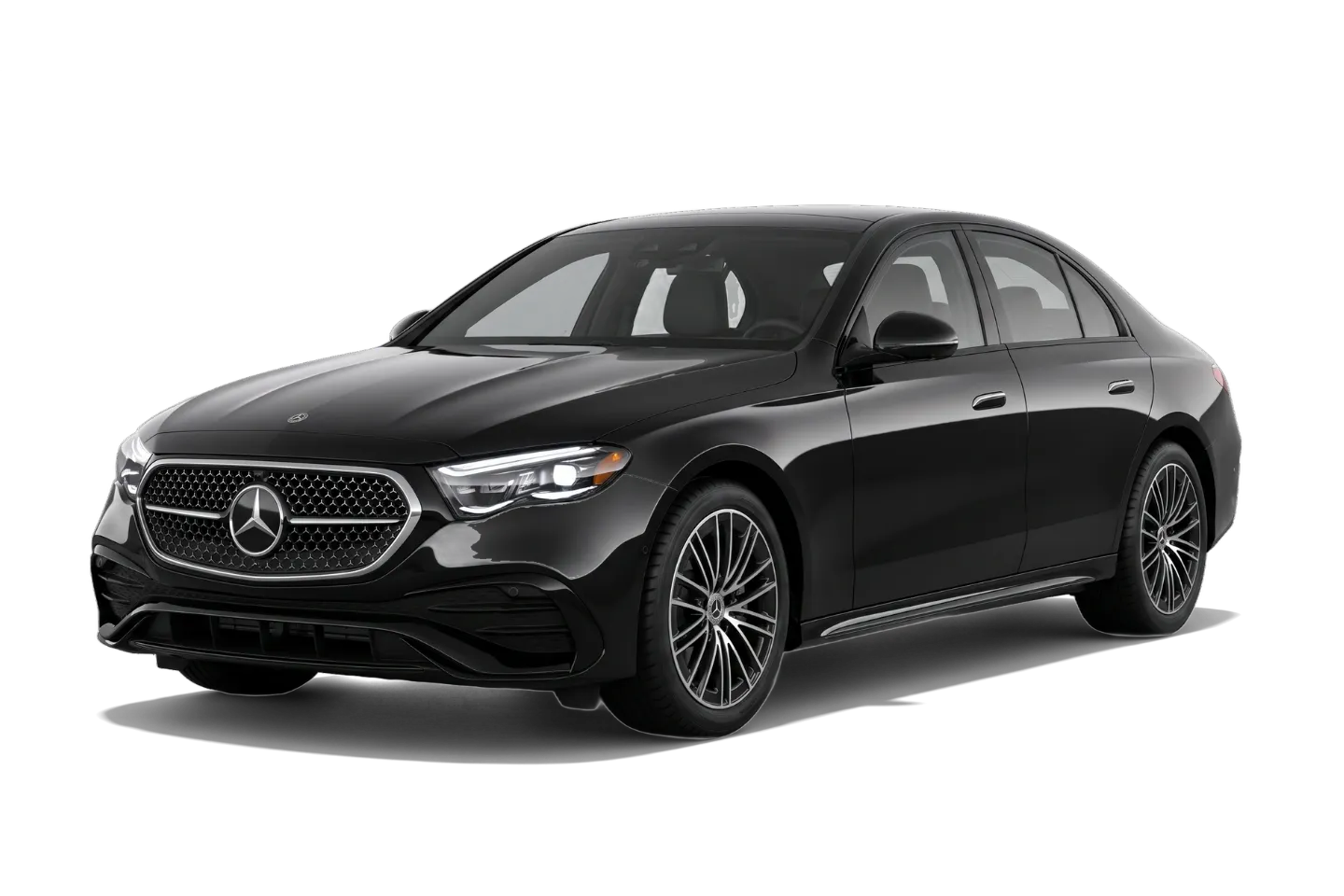
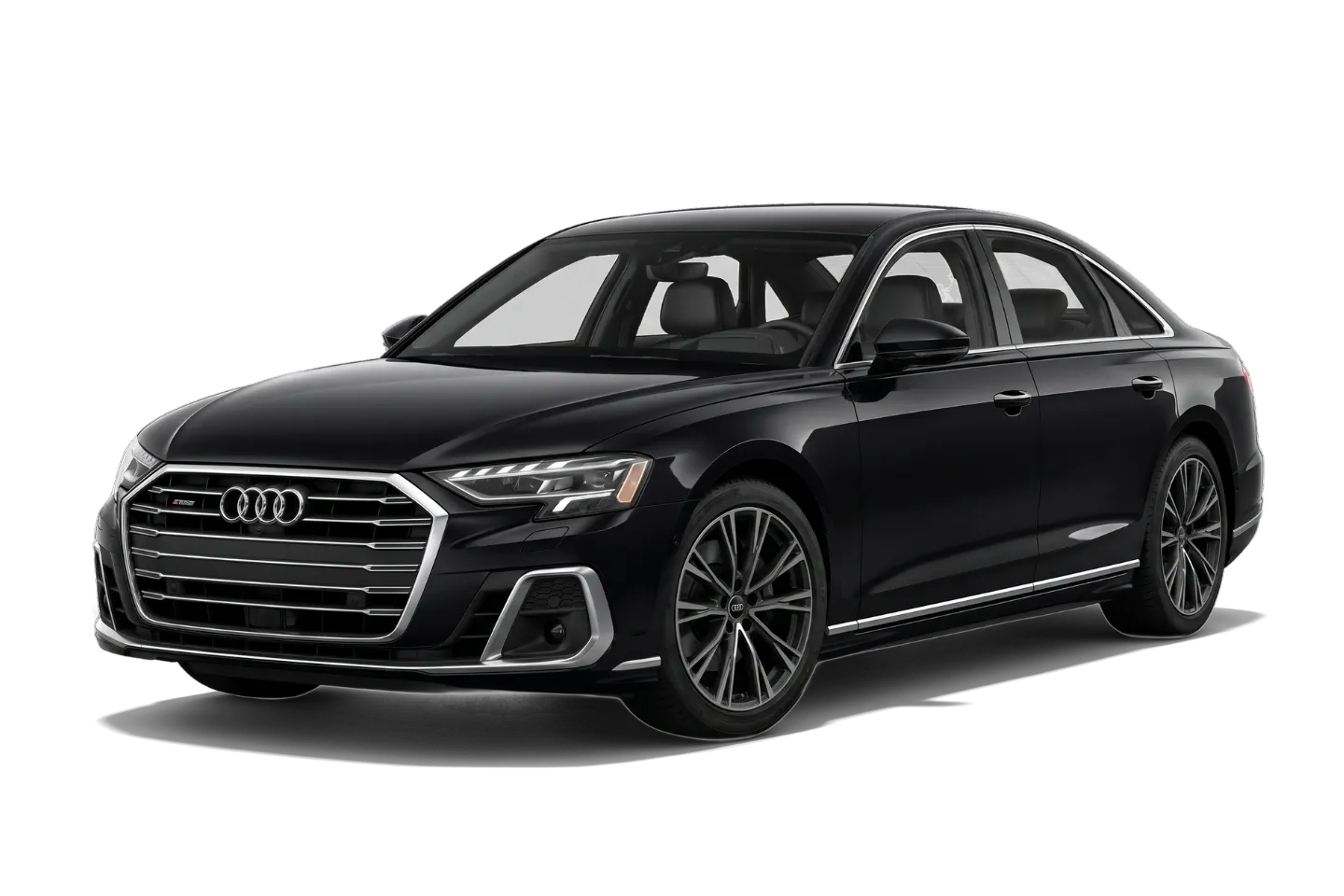
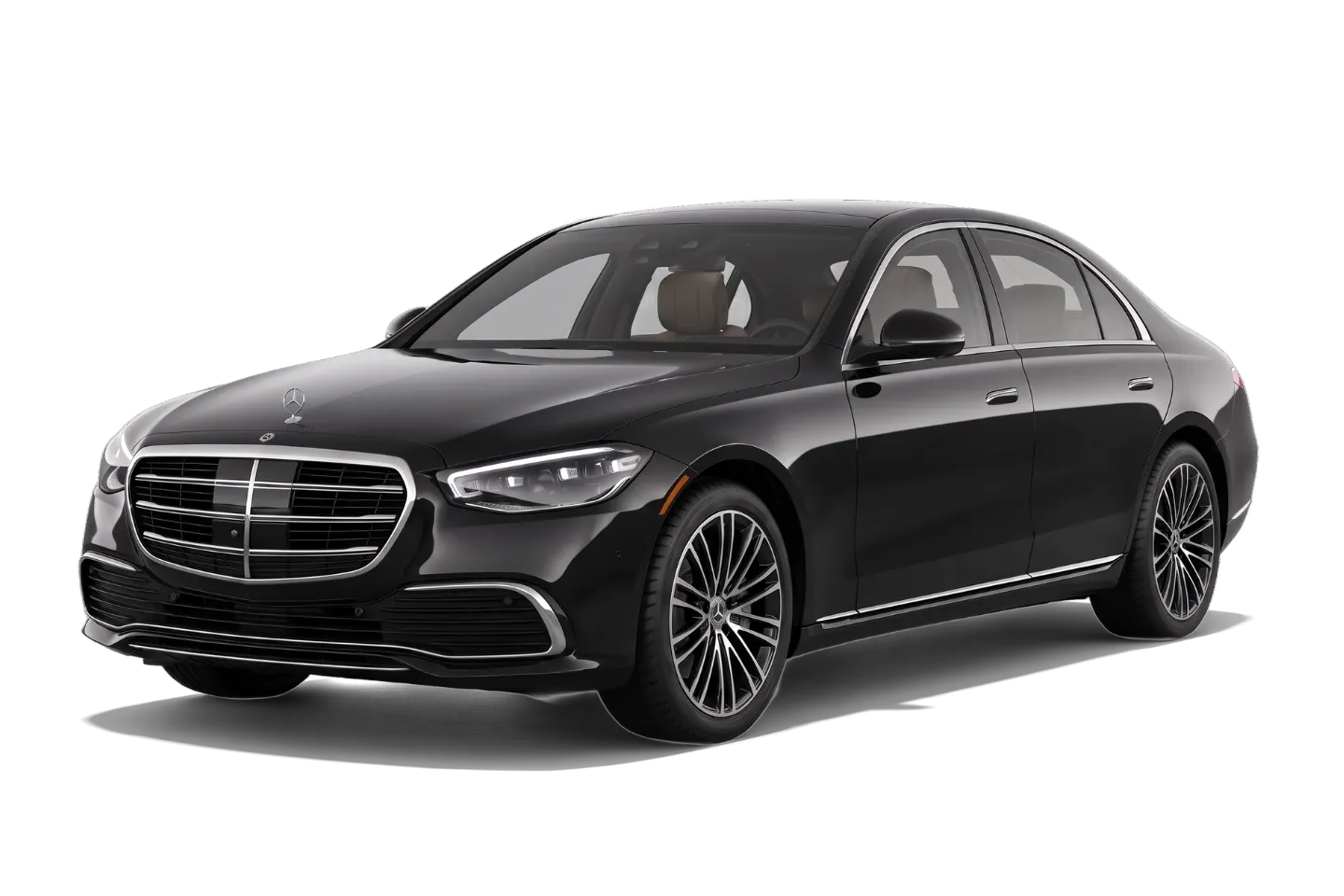
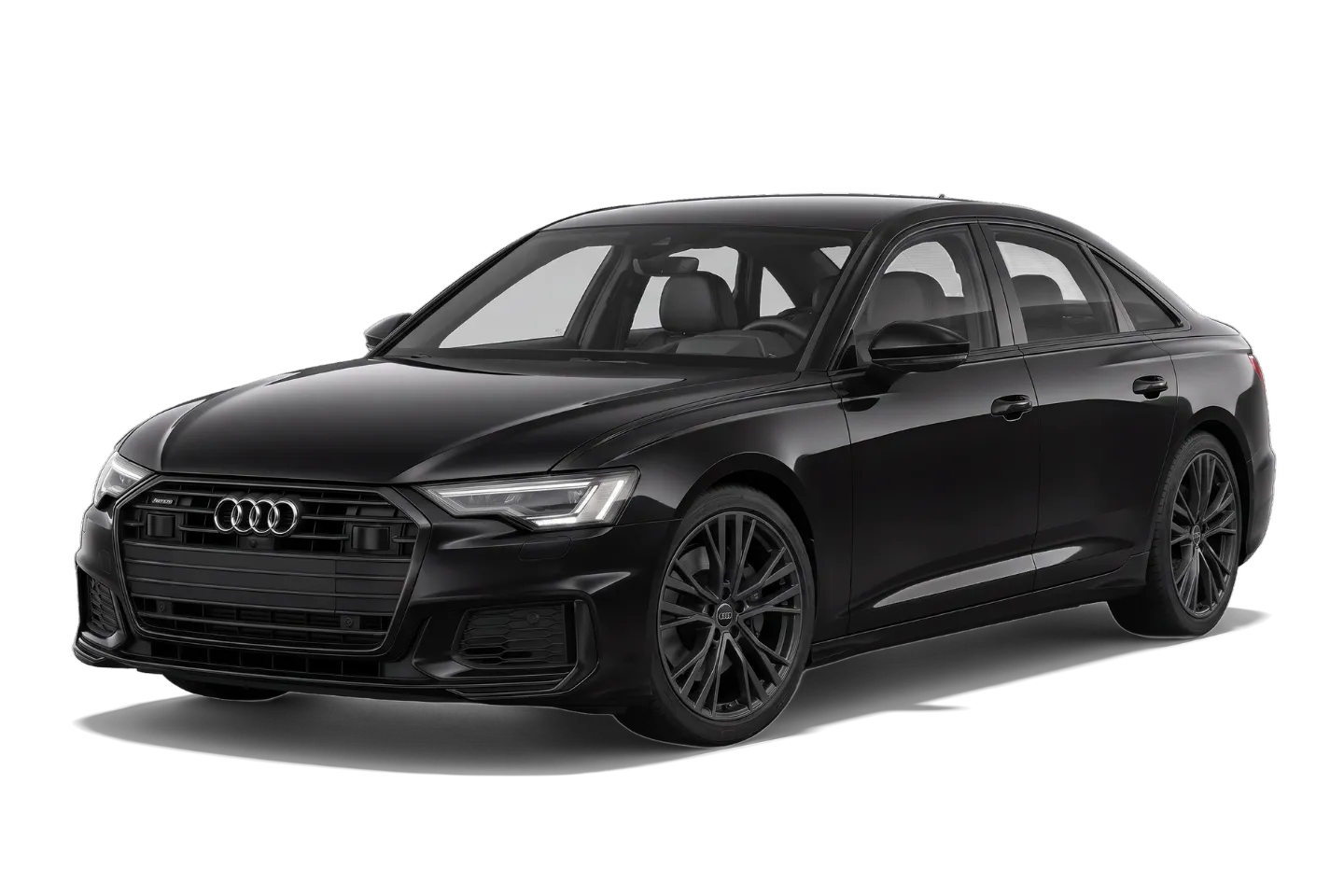
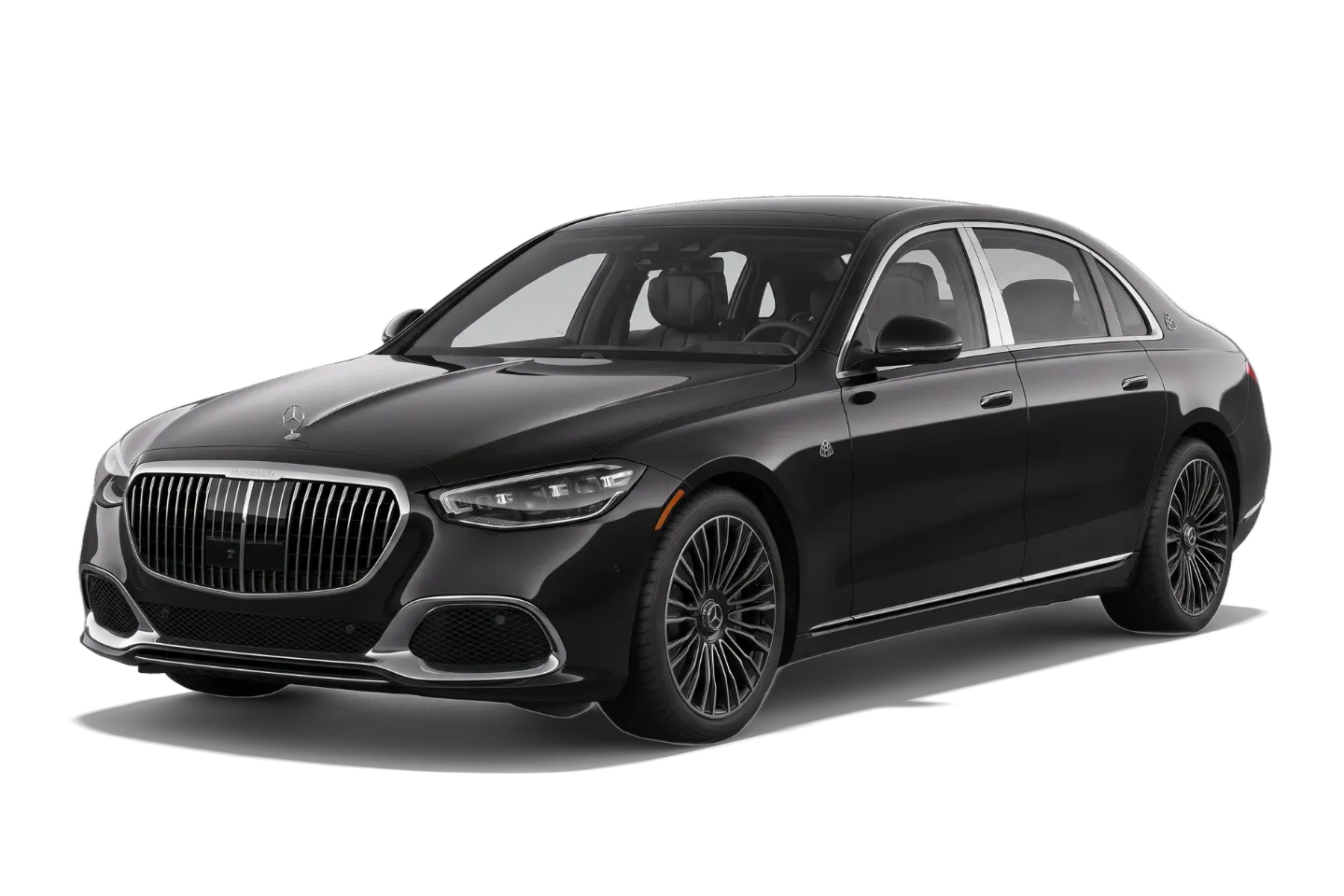
- Sedan: Mercedes-Benz E-Class or S-Class, up to 3 passengers, $85 to $120 per hour in 2026.
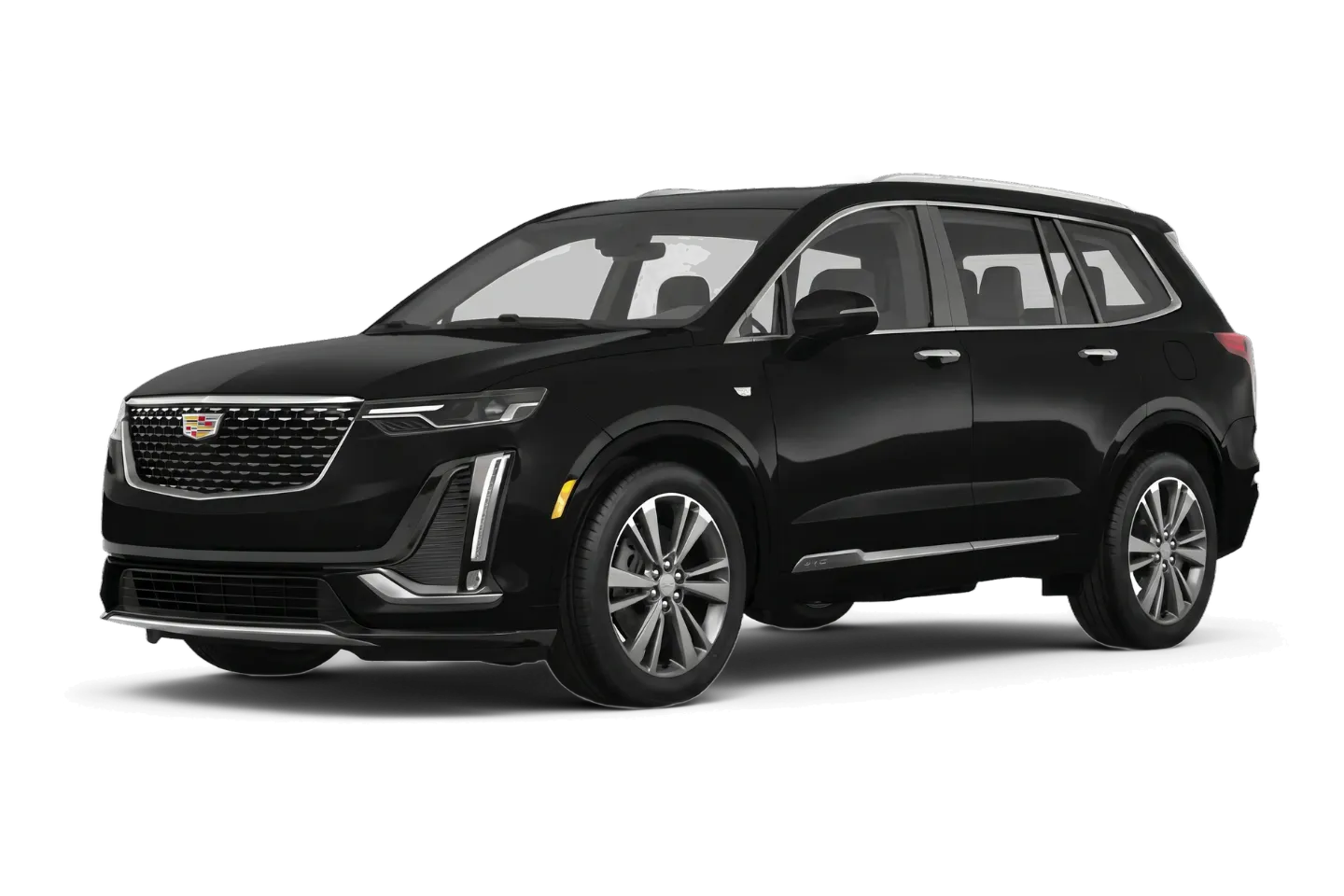
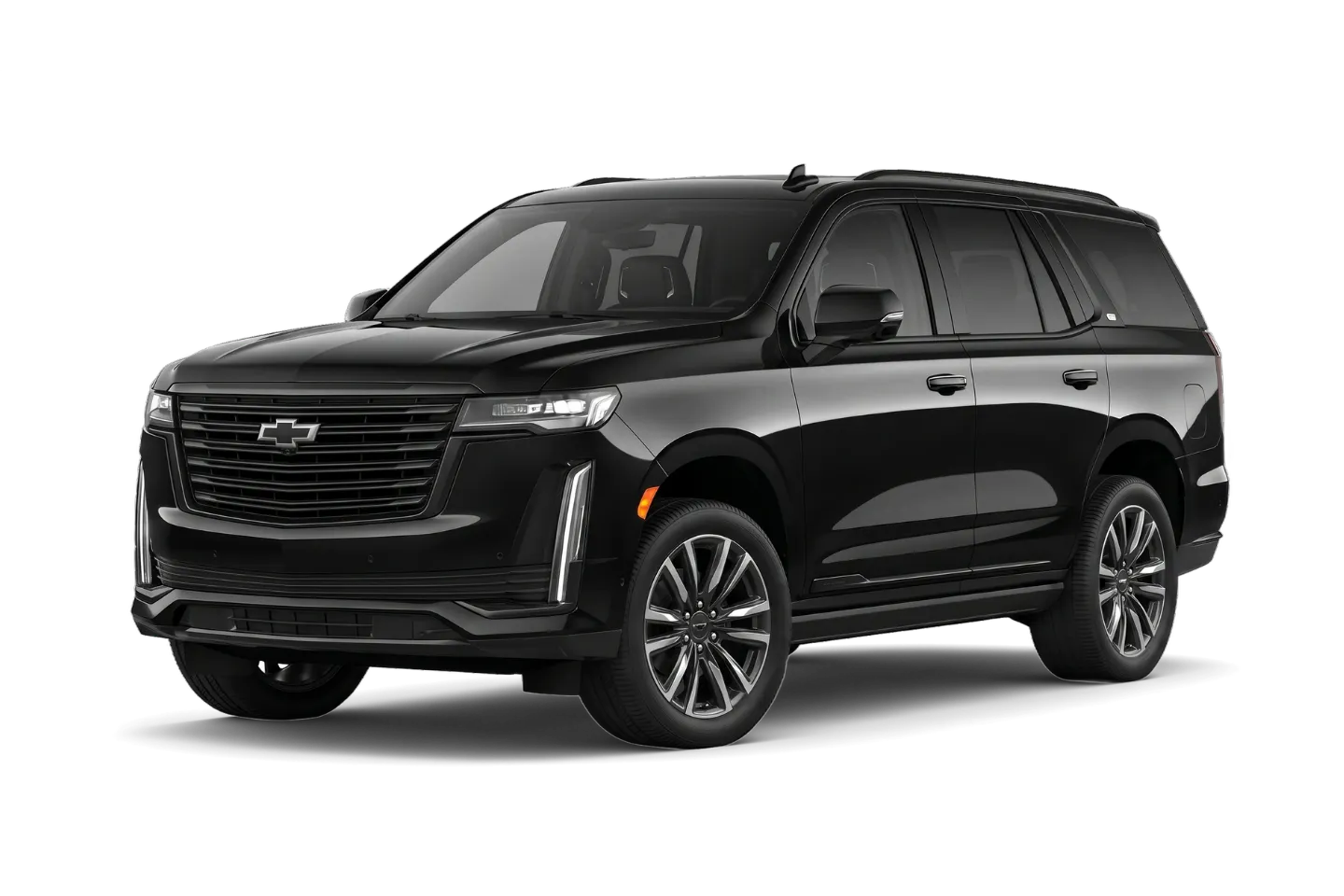
- SUV: Cadillac Escalade, up to 6 passengers, $110 to $160 per hour.
- Sprinter van: 10 to 14 passengers, $140 to $220 per hour.
- Stretch limousine: 6 to 10 passengers depending on the model, $150 to $275 per hour.
- Mini charter bus: 24 to 35 passengers, $160 to $300 per hour.
- Motor coach: up to 56 passengers, $180 to $340 per hour.
A flat transfer of 15 to 20 miles runs roughly $85 to $150 in a sedan and $110 to $190 in an SUV. Hourly bookings usually carry a minimum of three to four hours. See the vehicles on our fleet page, and read about charter bus service in Connecticut for large groups.
How Can You Combine Transit with a Private Ride?
The two work well together, and mixing them keeps costs down.
- Train plus station pickup: ride the New Haven Line to Stamford or New Haven, and have a car meet you on the platform side for the final miles to a rural venue.
- Bus by day, car by night: use an all-day pass for sightseeing, and book a ride back after dinner or a show.
- Transit out, car home: take the train to the airport for a daytime departure, and reserve a car for the late return.
- Shuttle for a group: guests arrive by train, and a van or mini bus runs loops between the station, the hotel, and the event.
How Do Transit and Car Service Compare on Common Trips?
Stamford to Manhattan on a Weekday Morning
The train wins. It is frequent, quick, and unaffected by highway traffic.
Hartford to Bradley International with Two Suitcases
The bus is cheap and workable. A car takes about twenty minutes from door to terminal and suits early flights.
New Haven to a Wedding in Litchfield County
No practical transit route exists. A sedan, SUV, or group shuttle is the realistic choice.
Greenwich to JFK for an Evening Flight
Rail with two or three changes is the budget route. A car service makes the trip in one to two hours with luggage handled.
A Team of Twenty from Hartford to a Conference in Stamford
Train tickets for twenty plus transfers at both ends add up in cost and coordination. A mini charter bus carries the whole team from one door to the other.
What Should You Check Before Booking a Private Ride?
- Proper licensing and commercial insurance.
- A written, all inclusive quote.
- Vehicle size and luggage capacity.
- Dispatch hours and a contact number on the day.
- Flight tracking for airport trips.
- Recent reviews from local customers.
Our Connecticut airport car service page explains how airport reservations work across the state.
Why Do Travelers Call Us When Transit Runs Out?
Dispatch at Legendary Limousine is staffed 24 hours a day, which matters most at the hours when buses and trains have stopped. Every driver is background checked, professionally trained, and familiar with local routes. We track flights, include one hour of complimentary waiting on airport pickups, and meet arriving travelers with a name sign on request.
Visitors often use transit for the simple parts of a trip and rely on Legendary Limousine for the airport run, the rural venue, and the late ride home.
Conclusion: Does Connecticut Have Public Transport?
Connecticut has a real public transport network: local buses at $1.75 for two hours, a bus rapid transit line in the capital region, three commuter rail services, intercity trains, coaches, and ferries. It works best along the shoreline and around Hartford and New Haven. It thins out in rural counties, late at night, and on Sundays, and it handles luggage and groups poorly. Use transit where it is strong, and book a private ride for the gaps.
For those trips, contact Legendary Limousine at +1 (718) 221-4771 at any hour or request a quote online. Tell us where you are going and when, and we will confirm a vehicle and a clear price.

Susan D. Gray
- Writer Translator & Editor
- Legendary Limousine
Susan D. Gray is the Senior Transportation & Travel Editor at Legendary Limousine, specializing in luxury ground transportation, airport transfers, corporate travel, and chauffeur services across the United States. He…