Both carry paying passengers, yet the jobs differ in licensing, booking, pricing, vehicles, and service. Compare taxi cabs and chauffeured cars in Pennsylvania and learn which suits each kind of trip.
Both sit behind the wheel and take paying passengers where they want to go, so it is fair to wonder whether the two jobs are really one. They are different. A taxi driver answers calls and street hails on demand and charges a regulated meter fare, while a professional with a chauffeur service in Pennsylvania works by advance reservation in a luxury vehicle, at an agreed price, with personal service before, during, and after the ride. At Legendary Limousine, we have provided chauffeured transportation since 1997, and this guide compares the two roles point by point so that you can choose the right one for each trip.
Neither is better in every case. A taxi is the right tool for some journeys, and a chauffeur is the right tool for others.
What Is the Short Answer?
- How you get one: a taxi is hailed or called when needed. A chauffeur is reserved ahead.
- How you pay: a taxi runs a meter. A chauffeur's price is quoted in advance as a flat or hourly rate.
- The vehicle: a taxi is a marked cab. A chauffeur drives an unmarked luxury sedan, SUV, van, or limousine.
- The service: a taxi provides transport. A chauffeur provides transport with door service, luggage handling, waiting, and discretion.
- The regulation: the two are licensed under separate categories in Pennsylvania.
How Does Pennsylvania Law Distinguish the Two?
The state treats taxis and limousines as different kinds of passenger carrier. The Pennsylvania Public Utility Commission's motor carrier forms page describes taxi service as transport upon call or demand and limousine service as transport on an advance reservation basis in a luxury vehicle. Each requires its own certificate.
Philadelphia has a separate arrangement. The commission's page on limos, taxis, and movers explains that taxi and limousine service within the city is overseen by the Philadelphia Parking Authority, which runs the medallion taxi system and certifies limousine companies and their drivers.
Ride app companies form a third category, regulated as transportation network companies. Their drivers use personal vehicles and receive trips through the app.
How Do You Get a Ride from Each?
Taxi
You hail one on the street in parts of Philadelphia and Pittsburgh, walk to a rank at an airport, station, or hotel, or phone a dispatcher. The nearest available cab is sent. In suburbs and small towns, a wait of twenty minutes or longer is normal, and late at night there may be none.
Chauffeur
You book in advance by phone or online, from an hour to months ahead. A specific vehicle and chauffeur are assigned, and you receive the details before the trip. A chauffeured car cannot be hailed on the street, and by rule it works from reservations.
How Is the Price Set?
Taxi
The fare is calculated by a meter from distance and time, at rates approved by the regulator. Traffic delays increase the fare. Certain airport trips carry a flat rate. You learn the final amount at the end of the ride.
Chauffeur
The price is agreed before the trip. Transfers are quoted as a flat rate that does not change with traffic. Longer bookings are billed hourly. In 2026, typical rates are as follows.
- Executive sedan, up to 3 passengers: $85 to $120 per hour.
- Luxury SUV, up to 6 passengers: $110 to $160 per hour.
- Flat transfer of 15 to 20 miles: roughly $85 to $150 in a sedan and $110 to $190 in an SUV.
Hourly bookings usually carry a minimum of three to four hours. For a short hop across town, a taxi costs less. For an airport run, a long distance, or several stops, the gap narrows, and the chauffeur's fixed price removes the uncertainty.
How Do the Vehicles Compare?
Taxi
A taxi is a working vehicle built for constant use: a sedan, hybrid, or minivan with a roof light, a meter, a partition in many cases, and company markings. Condition varies with age and mileage.
Chauffeured Car
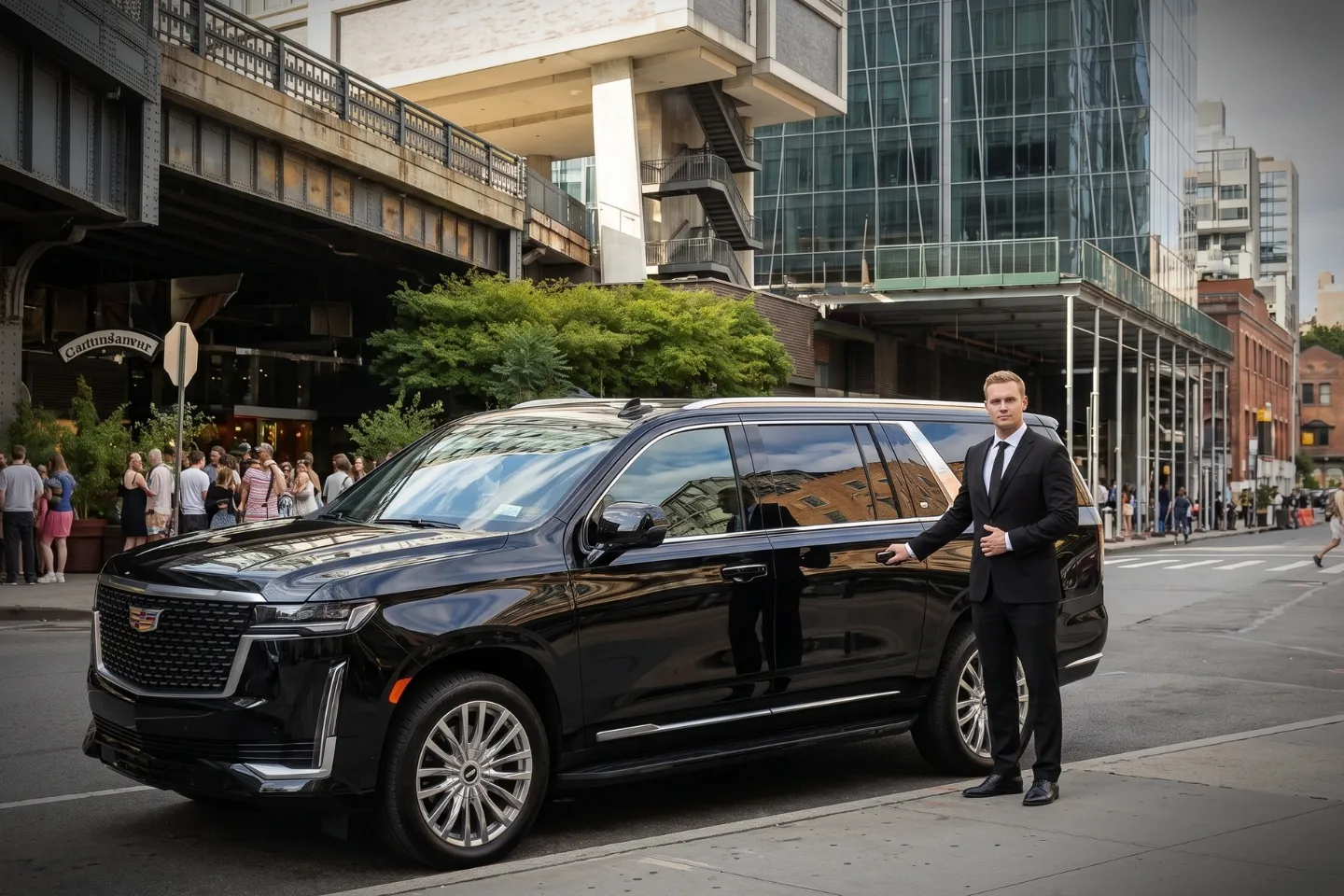
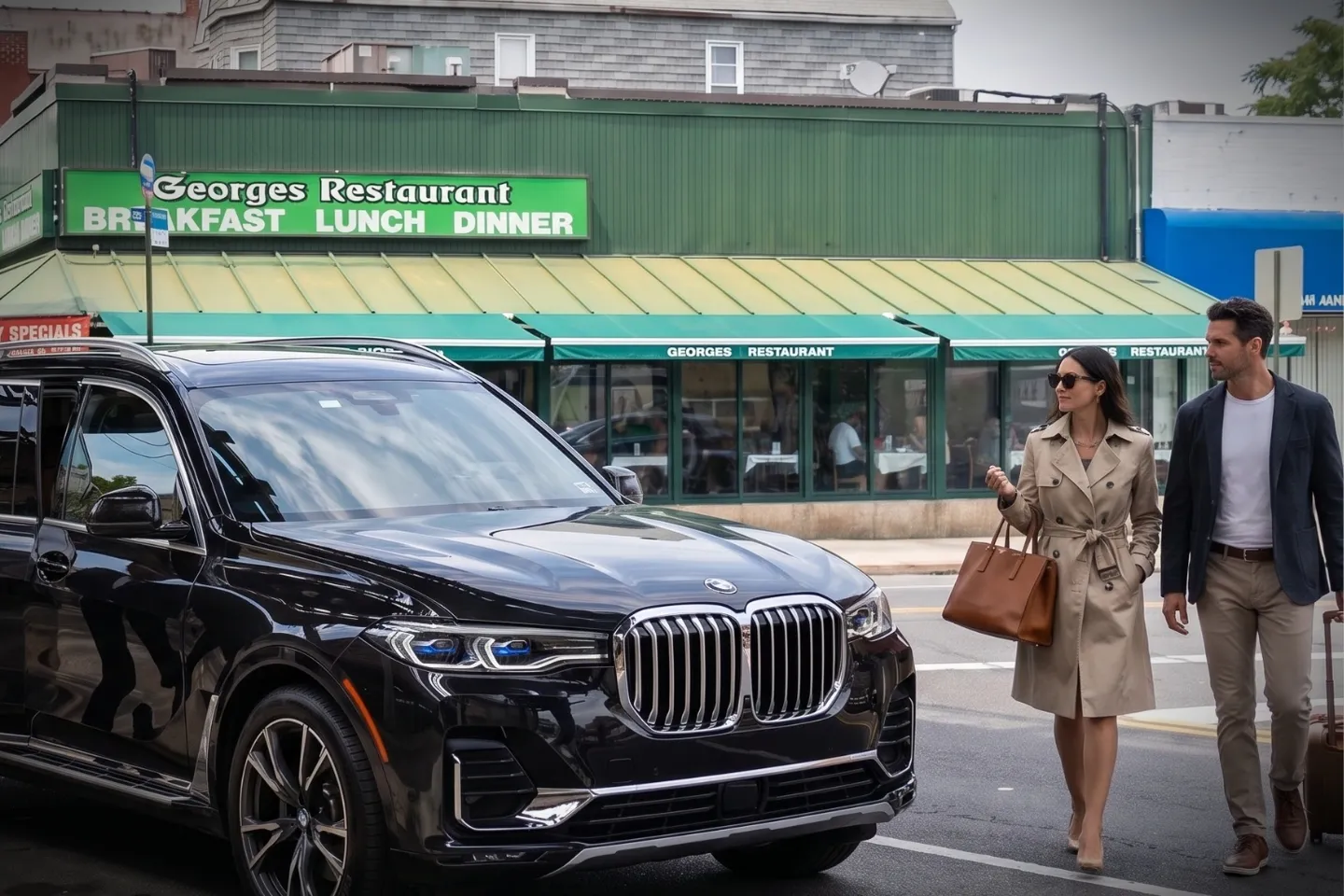
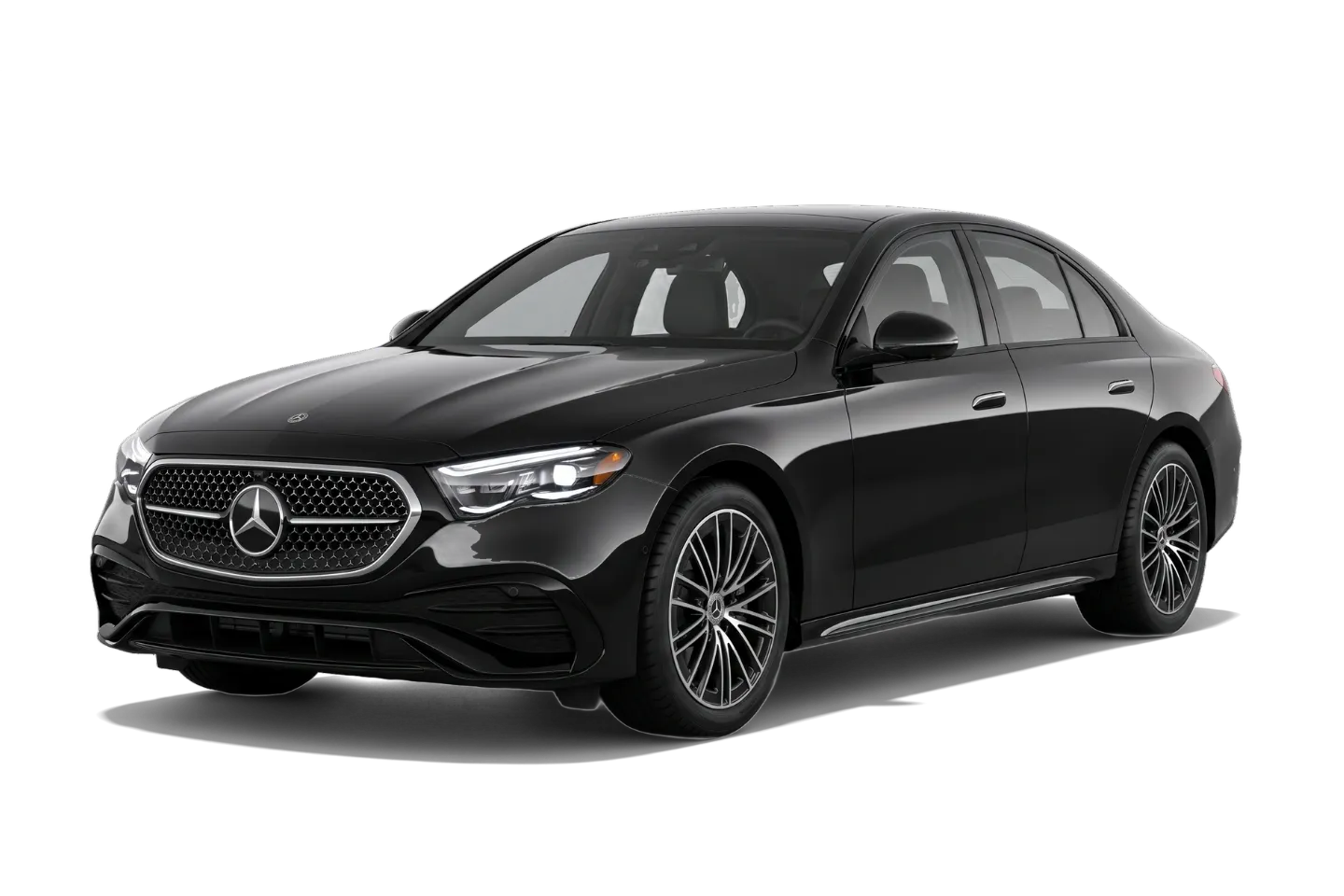
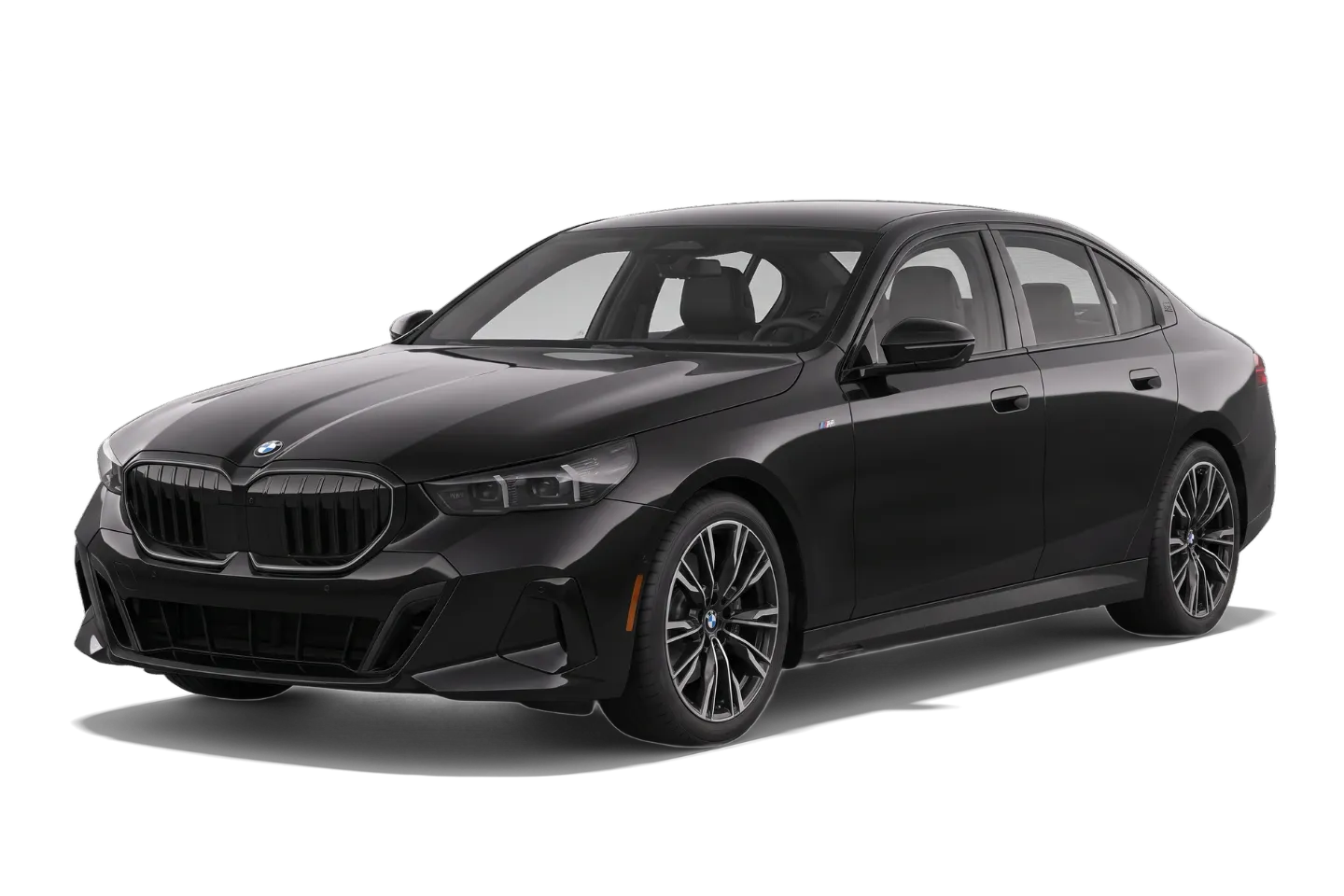
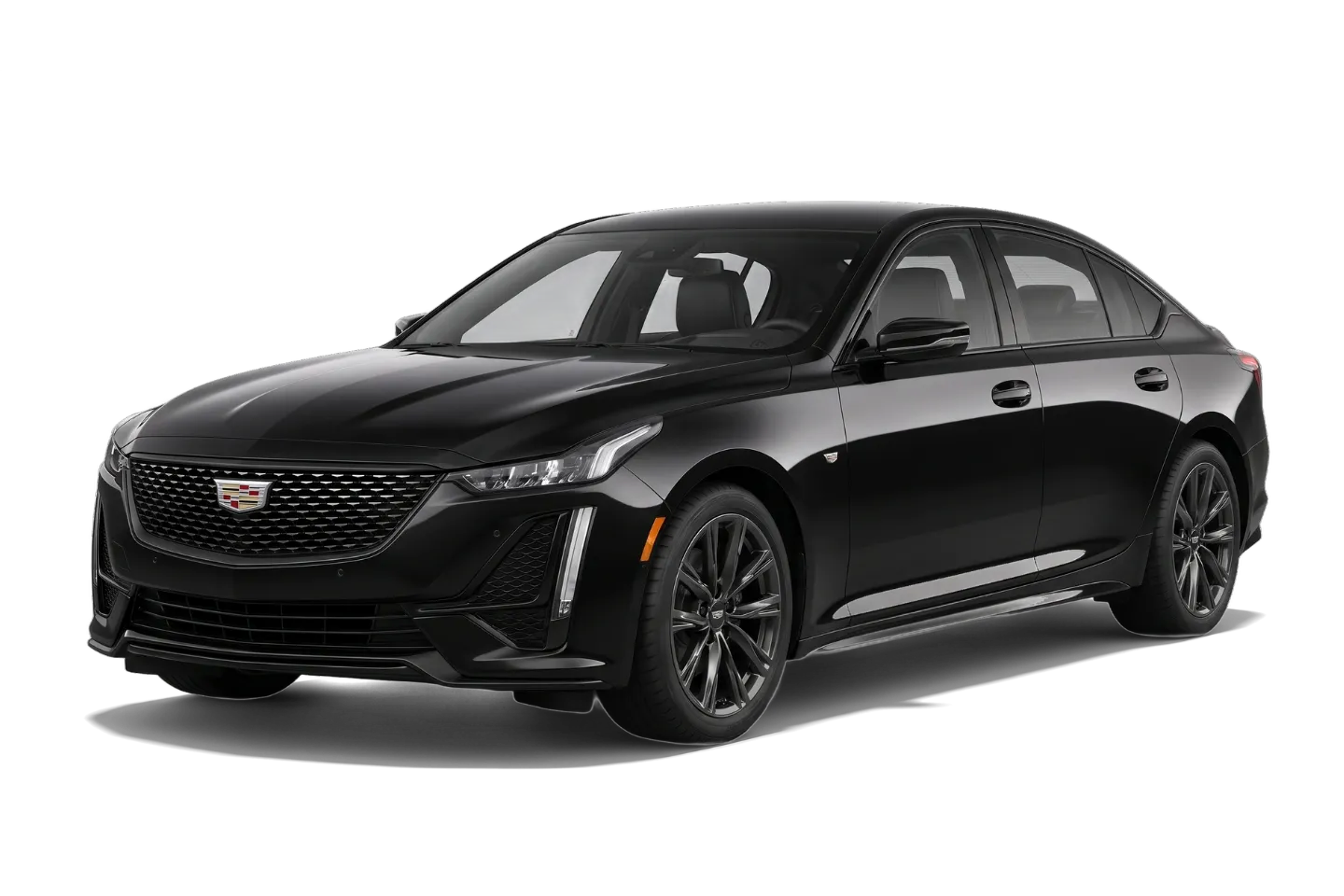
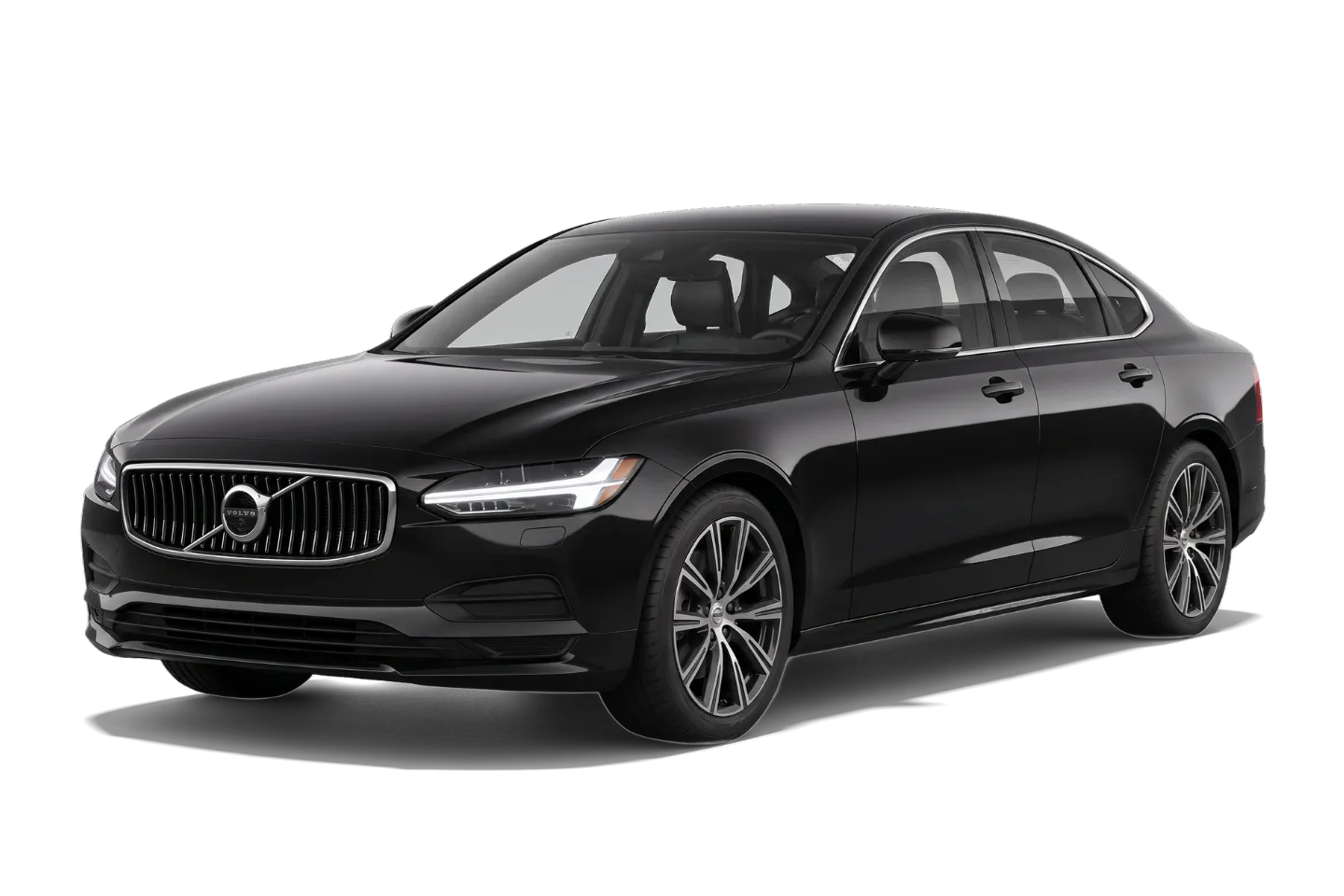
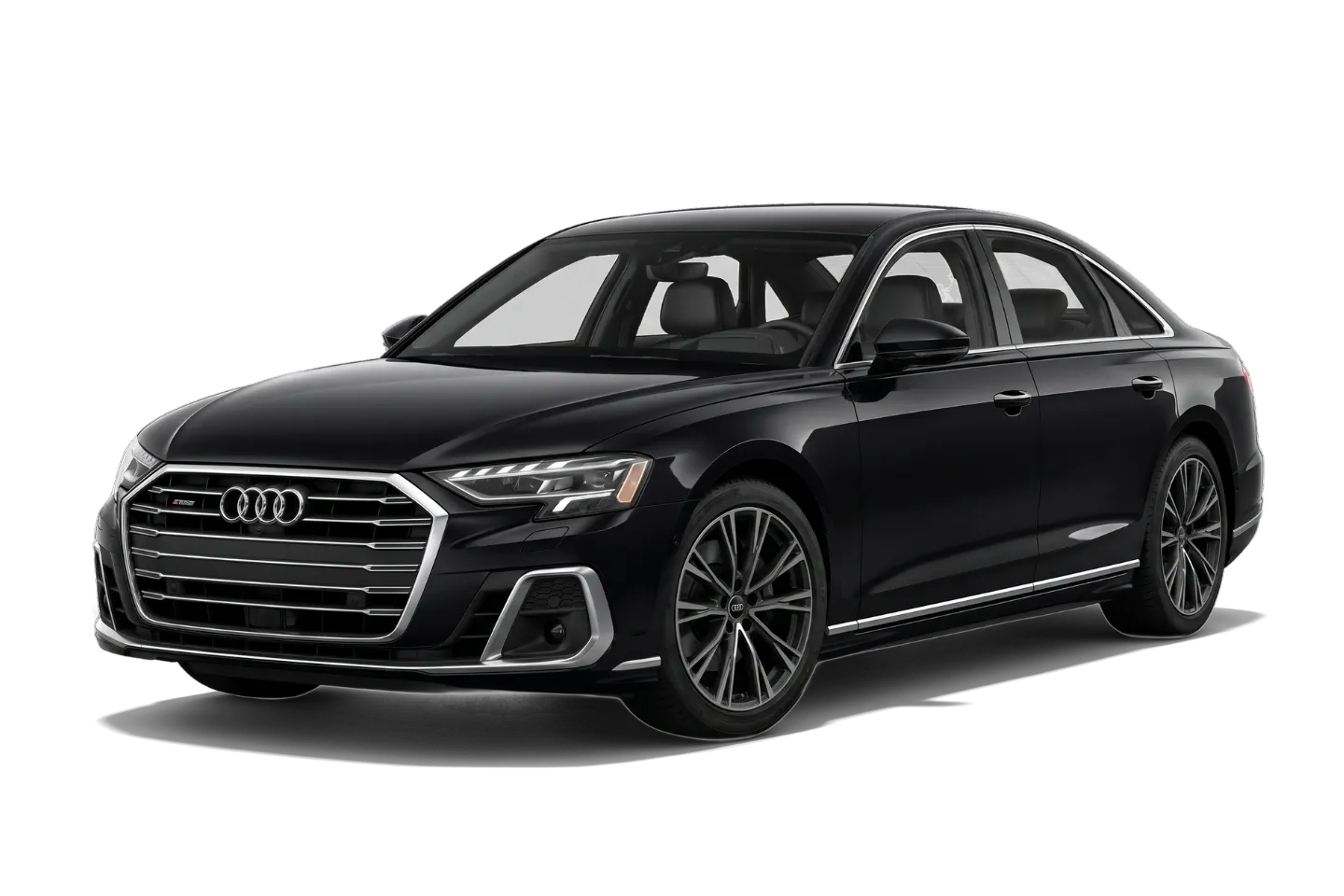
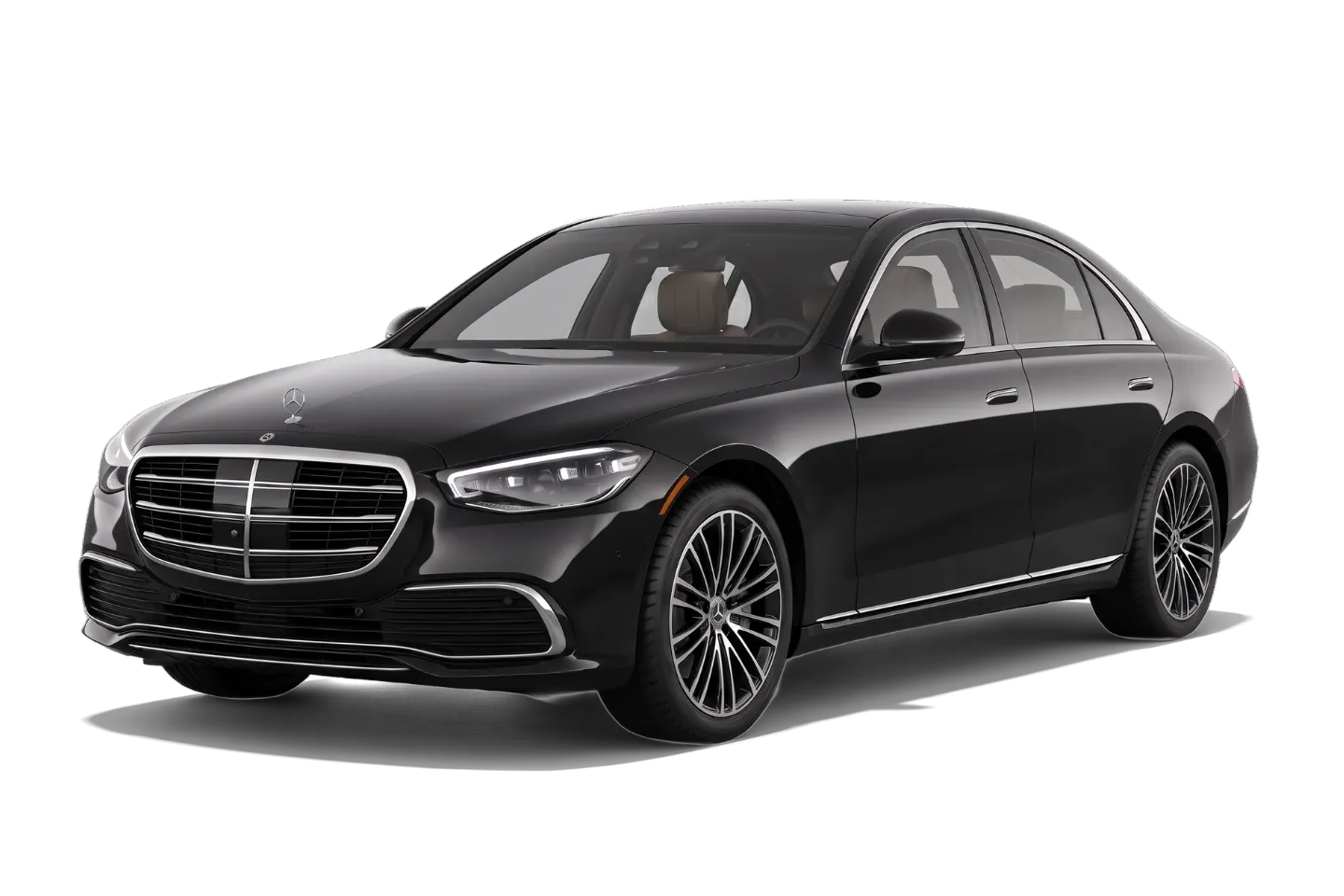
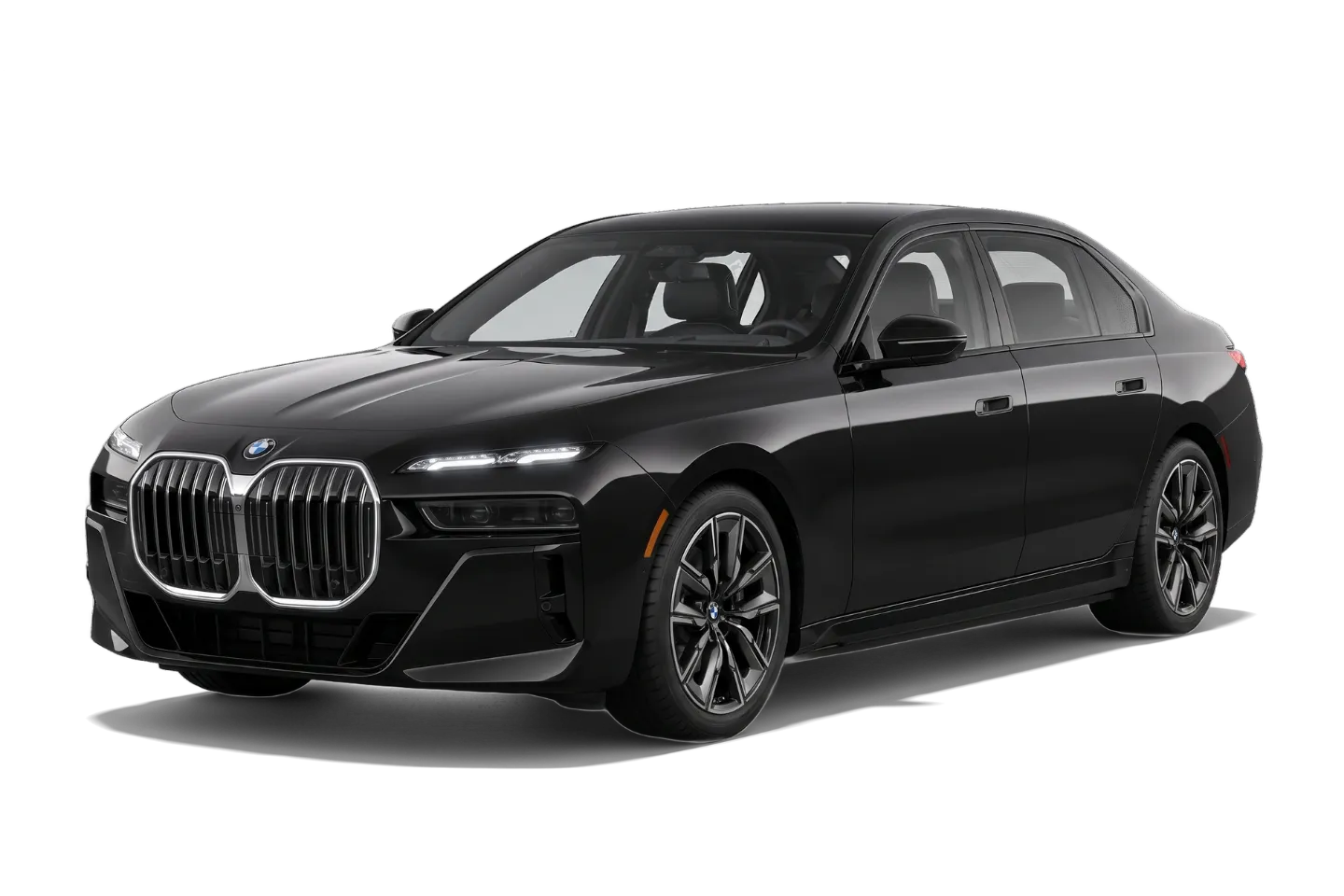
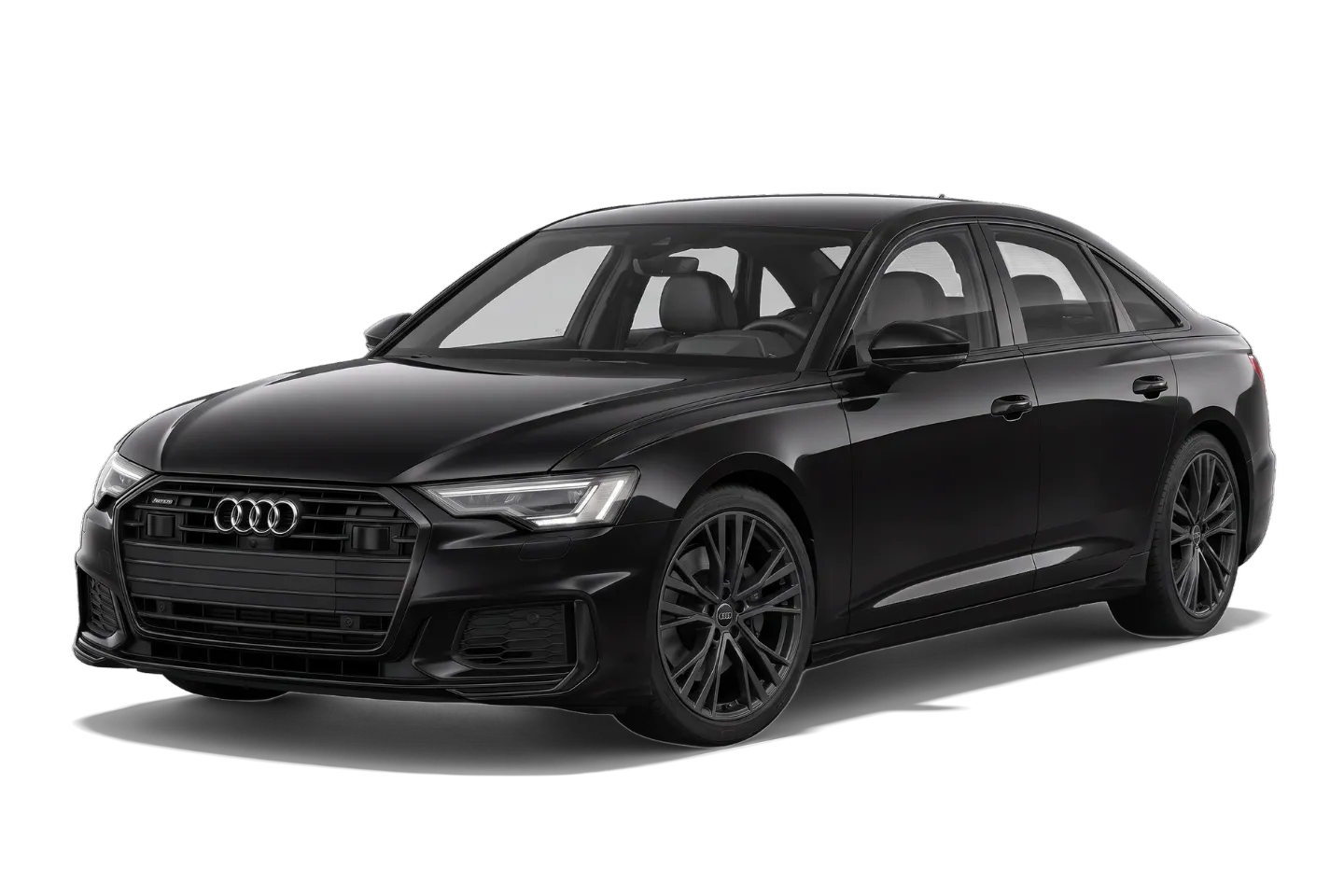
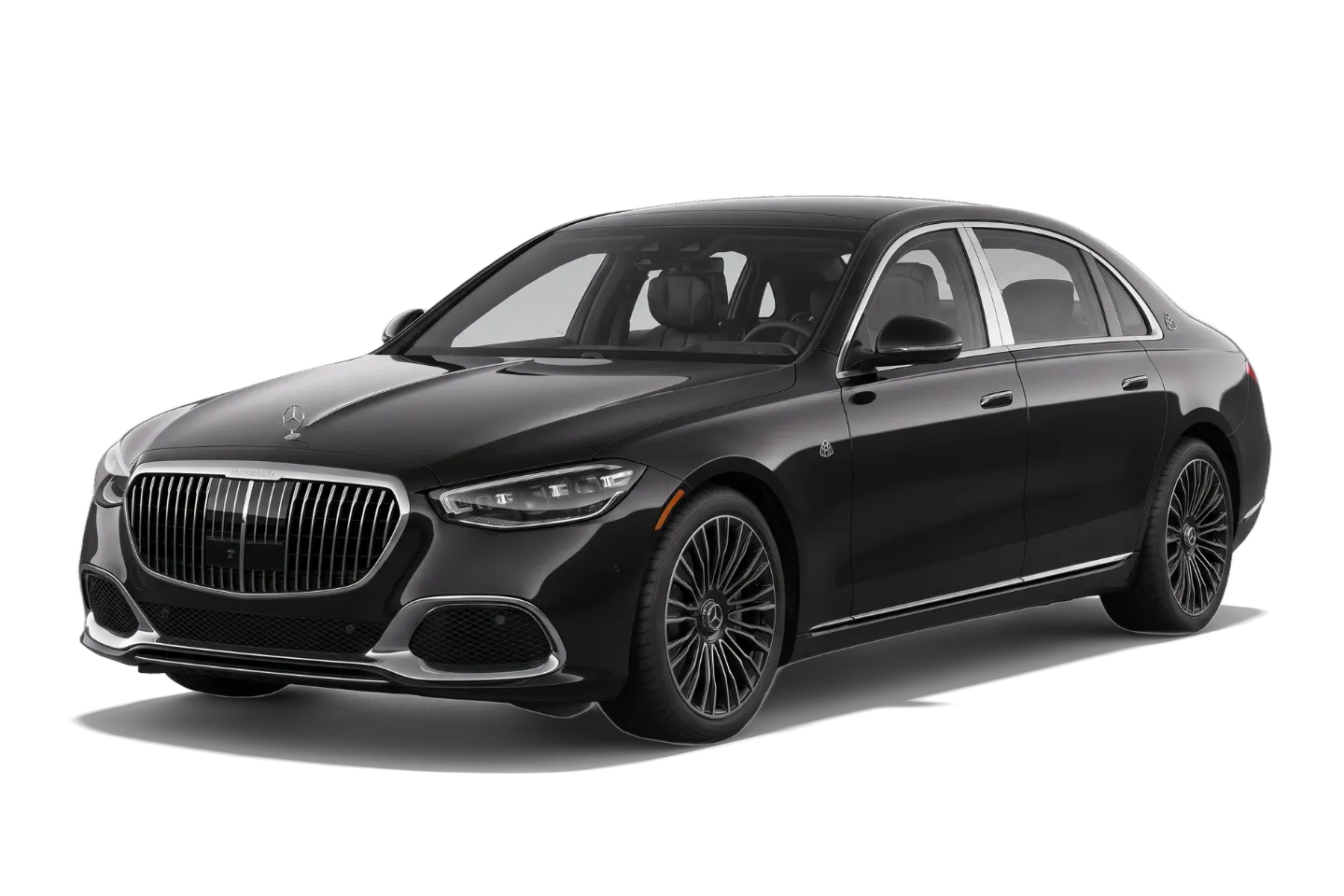
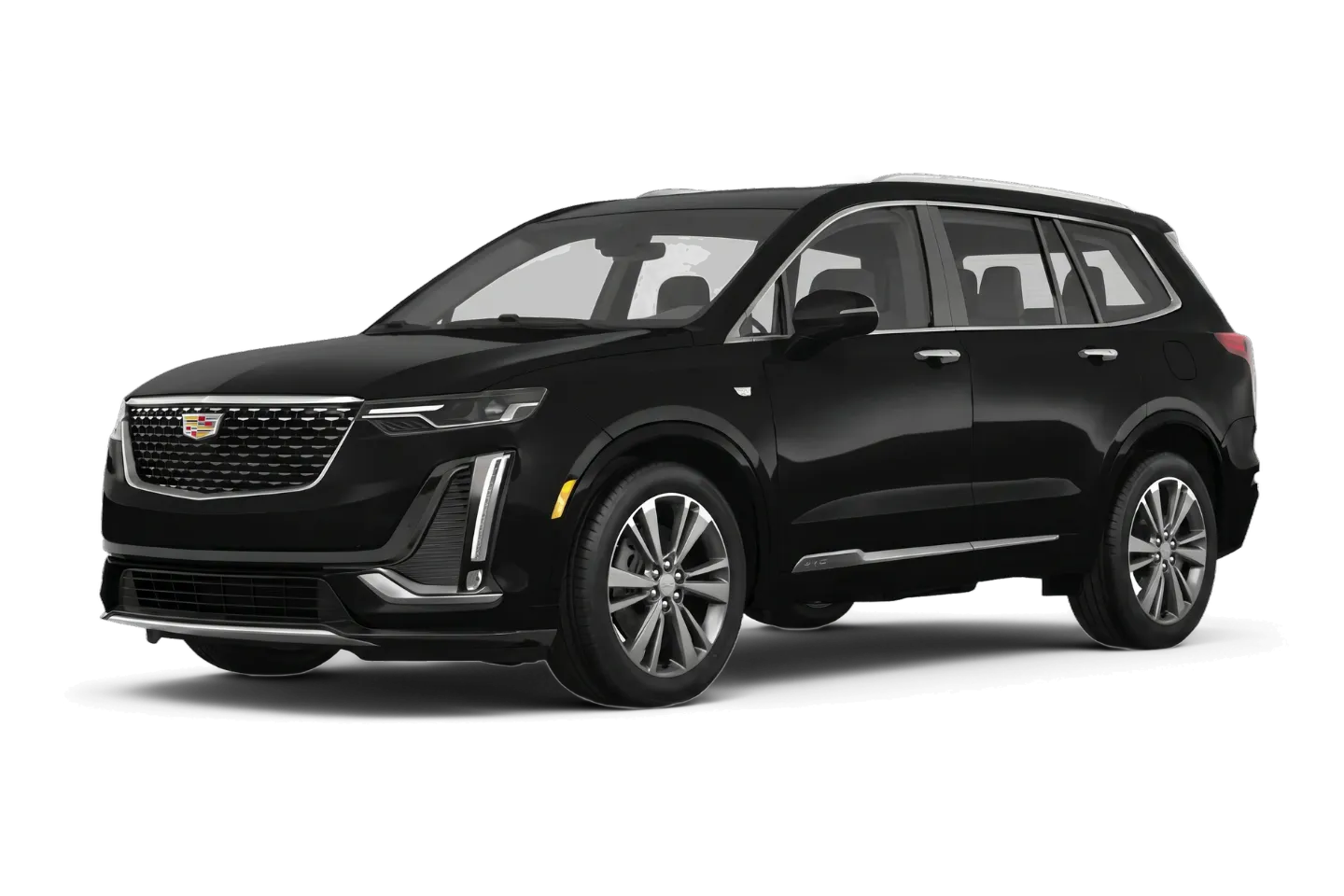
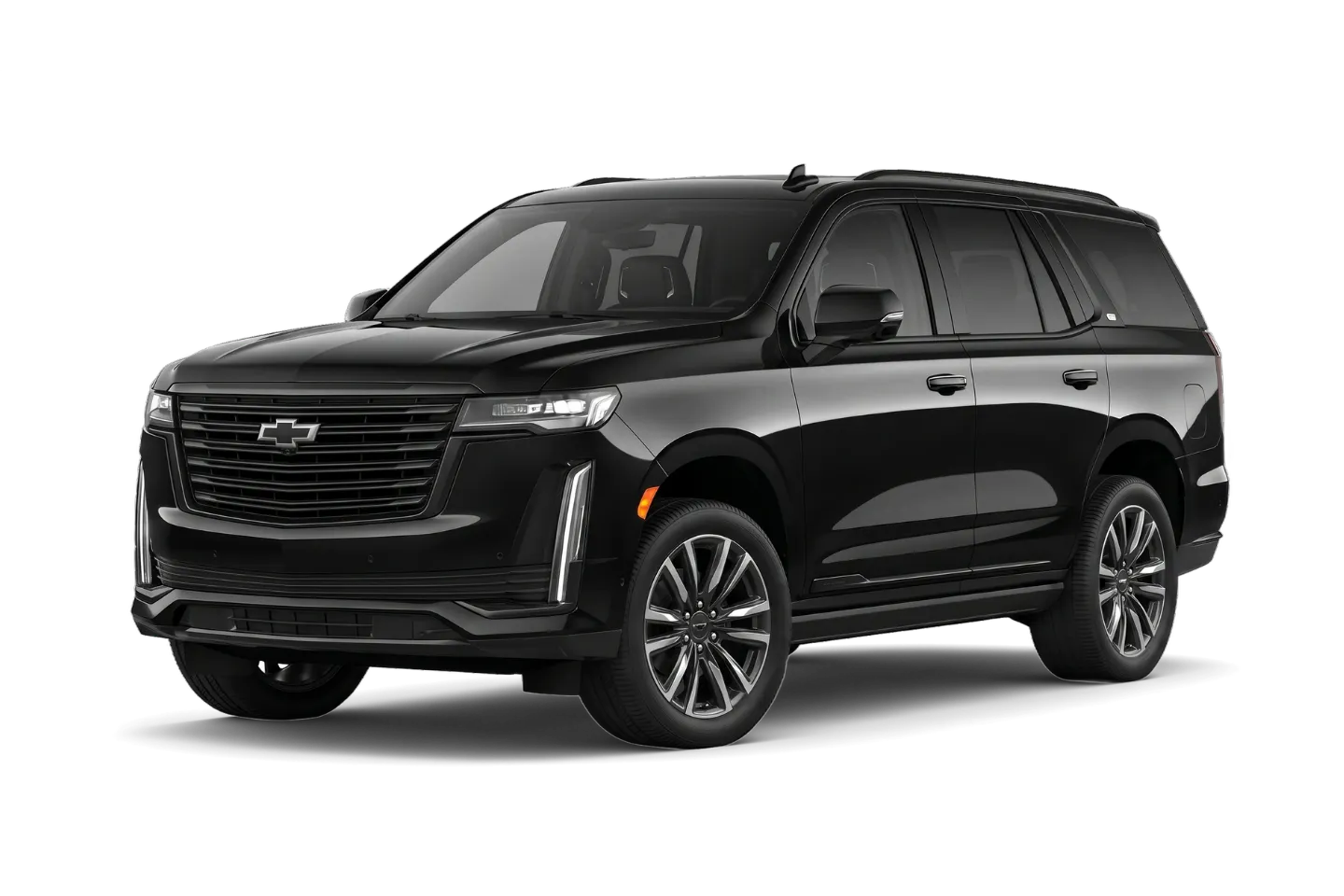
The vehicle is a late model luxury car with no commercial markings, such as a Mercedes-Benz E-Class or S-Class or a Cadillac Escalade. It is cleaned and detailed before each client. Larger groups can reserve a Sprinter van for 10 to 14 passengers, a stretch limousine, or a bus. See the range on our fleet page.
How Does the Service Differ?
Before the Ride
A taxi driver learns the destination when you get in. A chauffeur has your name, addresses, flight number, and preferences in advance, has planned the route, and arrives ten to fifteen minutes early.
At the Door
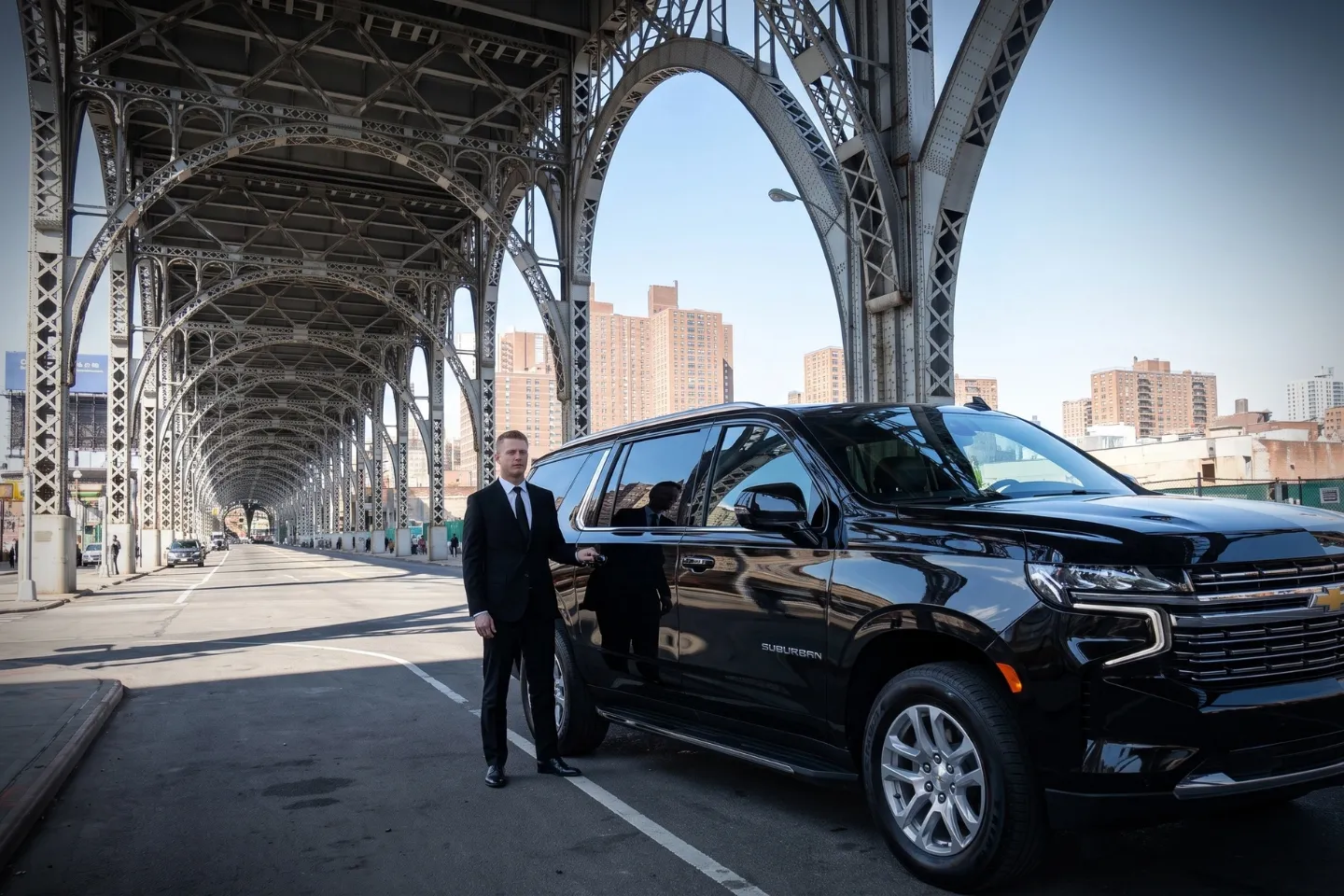
A taxi driver may help with bags. A chauffeur opens the door, loads the luggage, and confirms the plan as standard practice. At an airport, a chauffeur can wait inside the terminal with a name sign.
On the Road
A taxi driver aims to complete the trip efficiently and move to the next fare. A chauffeur is trained to drive smoothly, to follow your wishes on route, temperature, and conversation, and to keep whatever is said in the car private.
At the Destination
A taxi leaves once you have paid. A chauffeur on an hourly booking waits for you and is at the entrance when you return, with your belongings safe in the vehicle.
Behind the Scenes
A chauffeur is supported by a dispatcher who tracks flights, watches traffic, and can send another vehicle if needed. Our guide to what a chauffeur does describes the role in full.
How Do the Drivers' Qualifications Compare?
Both hold a valid driver's license and are subject to screening under the rules for their category. Taxi drivers in Philadelphia hold a certificate from the Philadelphia Parking Authority, and elsewhere they work for carriers certified by the Public Utility Commission. Chauffeurs work for certified limousine carriers and are typically chosen and trained to a higher service standard: defensive driving, etiquette, airport procedures, presentation, and confidentiality. Insurers often require chauffeurs to be at least 25 with several years of clean driving. Our guide to the qualifications a chauffeur needs sets out the details.
When Is a Taxi the Better Choice?
- A short, unplanned trip: a mile or two across Center City or downtown Pittsburgh.
- A solo ride with no luggage: from a rank at a station or hotel.
- A tight budget for a short distance: the meter will be lower than a minimum booking.
- A last second change of plan: when a cab is right in front of you.
When Is a Chauffeur the Better Choice?
- Airport transfers: flight tracking, a fixed price, and help with bags.
- Early morning or late night travel: a confirmed car when cabs are scarce.
- Business travel: a quiet cabin, discretion, and itemized receipts.
- Several stops: a car that waits and keeps your belongings.
- Special occasions: weddings, proms, anniversaries, and nights out.
- Groups: one vehicle sized for the party.
- Long distances: Philadelphia to New York, Pittsburgh to State College, or Harrisburg to Baltimore.
- Visitors and guests: a welcome with a name sign.
- Older travelers: patient, door to door assistance.
- Suburban and rural areas: where taxis are few.
Where Do Ride Apps Fit In?
App rides sit between the two. Like a taxi, they are on demand, and the driver is whoever accepts the trip. Like a chauffeured car, they are booked by phone and paid without cash. Prices move with demand and can rise sharply at busy times. Drivers use personal vehicles of varying age and are not expected to provide door service, wait, or handle luggage. Premium tiers narrow the gap in vehicle quality, though the personal service and the dispatcher behind a chauffeur remain distinct.
How Do the Three Compare on a Real Trip?
Take a ride from the Main Line to Philadelphia International Airport, about 20 miles, for a 6:30 a.m. flight.
- Taxi: you phone a local company the night before and hope a cab is available at 4:15 a.m. The meter decides the fare, which rises if Interstate 476 is slow.
- Ride app: you schedule a pickup. A driver is assigned shortly before the time, and the price reflects early morning demand.
- Chauffeur: you book days ahead at a flat rate of roughly $110 to $180 in a sedan. You receive the chauffeur's name the evening before, and the car is outside at 4:05.
For a traveler who cannot miss the flight, the certainty is usually worth the difference.
Is Tipping Different?
Both are tipped. For a taxi, 15 to 20 percent of the meter fare is customary, handed over or added on the card reader. For a chauffeur, 15 to 20 percent is also customary and is often included in the invoice, so check the quote first. Tips are income in either case, as the Internal Revenue Service explains on its page about tip recordkeeping and reporting.
How Do Accountability and Safety Compare?
Both taxis and chauffeured cars are regulated, insured, and safe when operated by licensed companies. The differences lie in how much you know in advance.
- Identity: with a taxi, you learn who is driving when the cab arrives. With a chauffeur, you receive the name, the number, and the vehicle details beforehand.
- Record of the trip: a chauffeured booking has a written confirmation with addresses, times, and price. A street hail has a receipt at the end, if you request one.
- Support: a chauffeur company's dispatcher can be reached during the trip. Taxi dispatch handles calls for cars.
- Lost property: both can be traced through the company, and a reservation makes it simpler.
- Unlicensed operators: exist in both worlds. Use marked, metered cabs from recognized companies, and book chauffeurs only through licensed, insured firms.
Does Availability Differ Across the State?
Philadelphia
Medallion taxis are easy to find in Center City, at 30th Street Station, and at the airport. Chauffeured cars are widely available by reservation.
Pittsburgh
Taxis serve downtown, Oakland, and the airport, with most rides booked by phone or app. Chauffeur companies cover the city and suburbs.
Suburbs and Smaller Cities
In places such as the Main Line, Bucks County, Lancaster, Harrisburg, and the Lehigh Valley, taxis are fewer and must be called ahead. A reserved chauffeur is often the more dependable choice, especially for early flights.
Rural Areas and Resorts
In the Poconos, the Laurel Highlands, State College, and the northern counties, taxi service is limited or absent. Prearranged transport is the practical answer.
Which Common Beliefs Are Mistaken?
- "A chauffeur is only for the wealthy." Airport transfers, shared among two or three travelers, are within reach of most budgets.
- "A limousine and a taxi are licensed the same way." They hold different certificates and follow different rules.
- "A chauffeur can pick me up if I wave." Chauffeured cars work from reservations.
- "A taxi will always be cheaper." On long trips, in traffic, or with a second cab for luggage, the totals can be close.
- "Any black car is a chauffeured car." Check that it comes from a licensed company with commercial insurance.
How Did the Two Trades Grow Apart?
The split is older than the motor car. Cities licensed carriages for public hire, which anyone could engage at a stand for a set fare, and those became taxis when engines and meters arrived. Wealthy households, meanwhile, kept private coachmen, and later chauffeurs, who served one family and its guests. In time, private chauffeurs moved to companies that hired out cars with drivers by appointment, which is the service known today. The law still reflects that history: public hire on demand on one side, private hire by reservation on the other. Understanding that origin explains why a chauffeured car carries no roof light, why it cannot be flagged down, and why its price is agreed before the wheels turn.
What Should You Ask Before Booking a Chauffeur?
- Is the company licensed for this trip, and can it send proof of insurance?
- Is the price a flat total with gratuity and tolls shown?
- Which vehicle will be sent?
- Will the flight be tracked?
- When will I receive the chauffeur's name and number?
Can One Person Be Both?
Some drivers have worked in both trades, and the driving skills carry over. The jobs differ in rhythm. Taxi work is a stream of short, unplanned fares. Chauffeur work is a sequence of planned assignments, each prepared in advance, with long periods of waiting and a strong emphasis on presentation. A taxi driver who moves into chauffeuring usually goes through a company's training in service standards before taking clients.
How Do You Book Each One?
To Get a Taxi
- Hail a marked cab with its roof light on, where street hails are allowed.
- Walk to the official rank at an airport, station, or hotel.
- Phone a local taxi company or use its app.
To Book a Chauffeur
- Call or submit a request online with the date, time, addresses, passengers, and luggage.
- Add the flight number for airport trips.
- Review the written quote and confirm with a card.
- Receive the chauffeur's details before the ride.
Our guides explain the main kinds of booking: an airport transfer to Center City, a driver for the day, and the cost of a full day.
What Does the Difference Feel Like?
Two colleagues leave the same conference in Pittsburgh for the airport on a rainy Friday at 4:30 p.m. The first walks to the taxi rank and joins a line of fifteen people. He reaches the front after twenty minutes, shares the back seat with his wet coat and bag, and watches the meter climb in tunnel traffic. He makes his flight with ten minutes to spare.
The second booked a sedan the day before. Her chauffeur is waiting under the hotel canopy with an umbrella. Her bag goes in the trunk, the cabin is warm, and the chauffeur takes a route that avoids the worst of the tunnel queue. She answers emails on the way and reaches the terminal with time for a coffee. Her fare was fixed at roughly $85 to $150 before gratuity. Both got there. One of them arrived ready for the flight.
What If You Need Simple Point to Point Transport?
Chauffeured service covers straightforward rides as well as special occasions. Our car service in Pennsylvania page explains flat rate transfers, and our Pennsylvania airport chauffeur service page covers flights.
Why Do Clients Choose a Chauffeur from Us?
Certainty is the reason most clients give. Legendary Limousine confirms every booking in writing, tracks flights, and staffs dispatch 24 hours a day. Every driver is background checked, professionally trained, and familiar with local routes, and vehicles are late model and spotless.
For the trips that matter, Legendary Limousine offers a named chauffeur, a known vehicle, and a price agreed before you leave home.
Conclusion: Is a Taxi Driver the Same as a Chauffeur?
No. In Pennsylvania, taxis and chauffeured cars are licensed separately and work differently. A taxi is hired on demand at a metered fare in a marked cab. A chauffeur is reserved in advance at an agreed price in a luxury vehicle and provides door service, luggage handling, waiting, and discretion. Choose a taxi for short, spontaneous trips, and a chauffeur for airports, business, long distances, groups, and occasions.
To book a chauffeur, contact Legendary Limousine at +1 (718) 221-4771 at any hour or request a quote online. Tell us your plans, and we will confirm a vehicle, a chauffeur, and a clear price.

Jessica K. Smith
- Strategic Writer & Content Manager
Strategic senior writer and content manager with 20+ years in healthcare communications and marketing. Excellent editor committed to producing creative, effective content, from social posts to product collateral to thought…