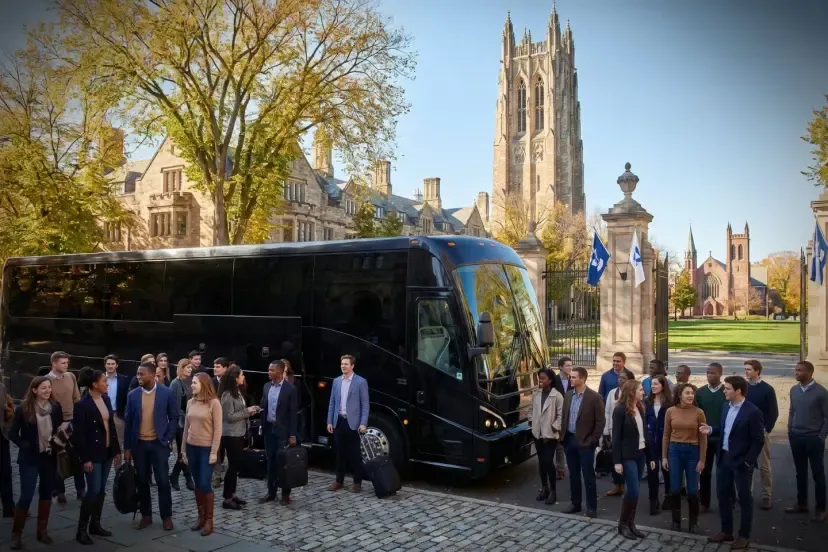
Forty passengers fall between a mini bus and a full coach. Learn which vehicle fits, when two smaller buses work far better on California roads, how luggage affects the choice, and typical 2026 costs.
Forty people is an in between number for group travel. It is too many for a mini bus and well short of a full motor coach, and planners often wonder which way to go. For a charter bus in California carrying 40 passengers, the answer in most cases is one full size coach with up to 56 seats, though two smaller vehicles suit certain trips better, particularly on the narrow roads of wine country and the coast. At Legendary Limousine, we have matched vehicles to groups since 1997, and this guide works through the choice with capacities, 2026 prices, and examples from around the state.
The aim is the right number of seats, room for the luggage, access to the venue, and a comfortable ride over California's long distances.
What Is the Short Answer for 40 Passengers?
- Best all round choice: one full size motor coach with up to 56 seats.
- Best for split pickups, tight venues, or short shuttles: two mini charter buses with 24 to 35 seats each.
- Best for a group that divides during the day: one mini charter bus plus one Sprinter van.
The spare seats on a coach are useful. They absorb late additions, give adults room on a four hour drive, and hold coats, day bags, and equipment.
How Many Passengers Does Each Vehicle Hold?
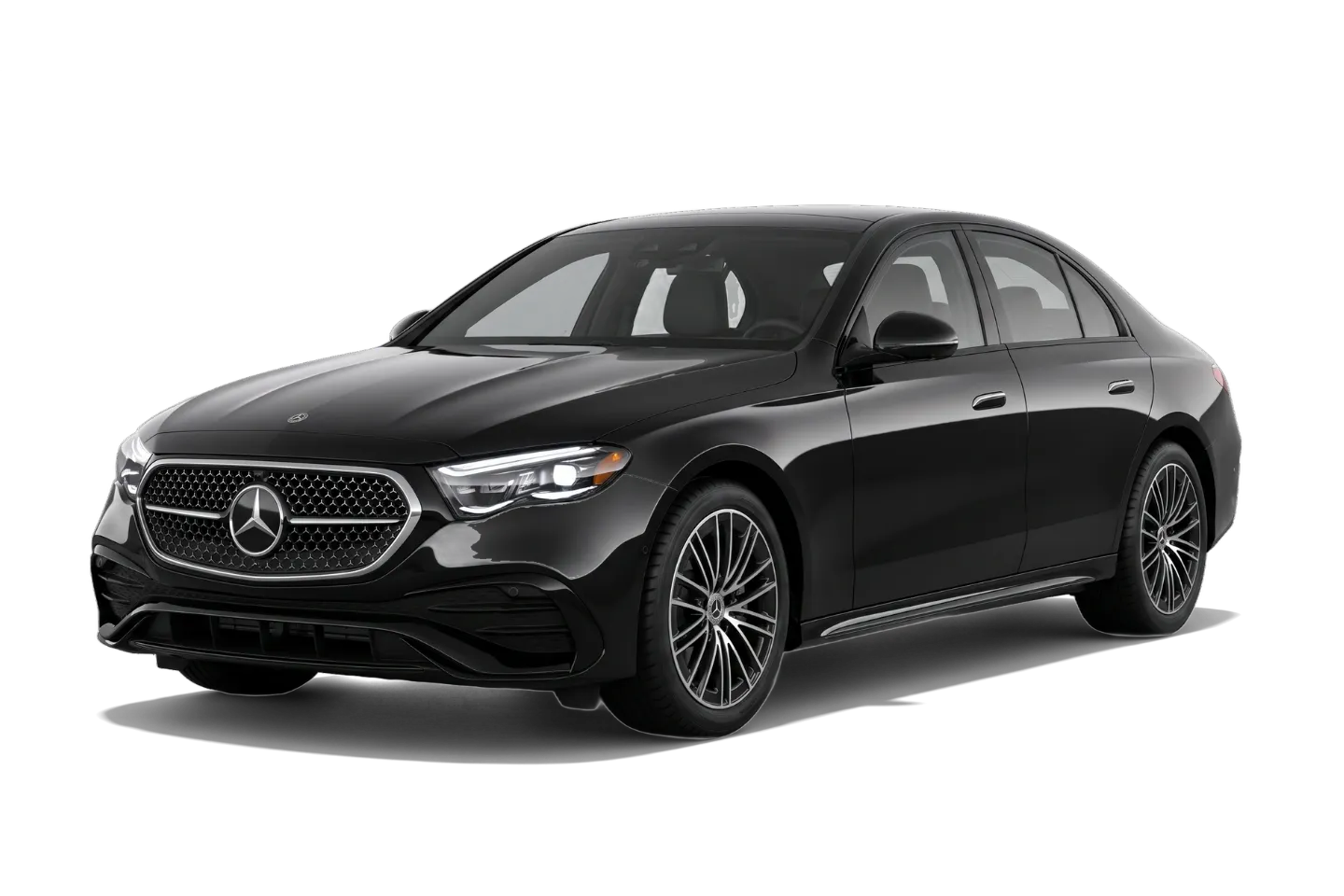
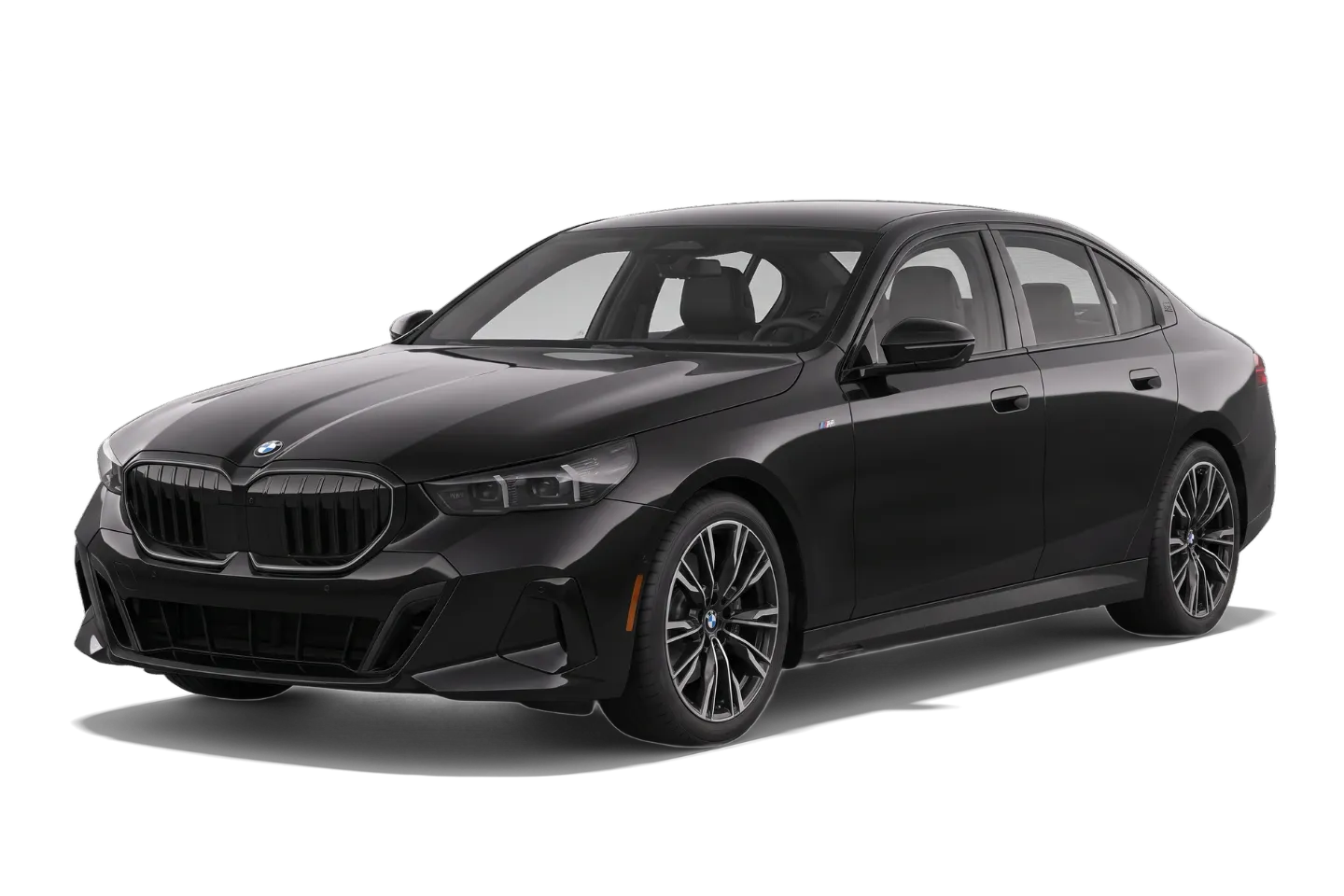
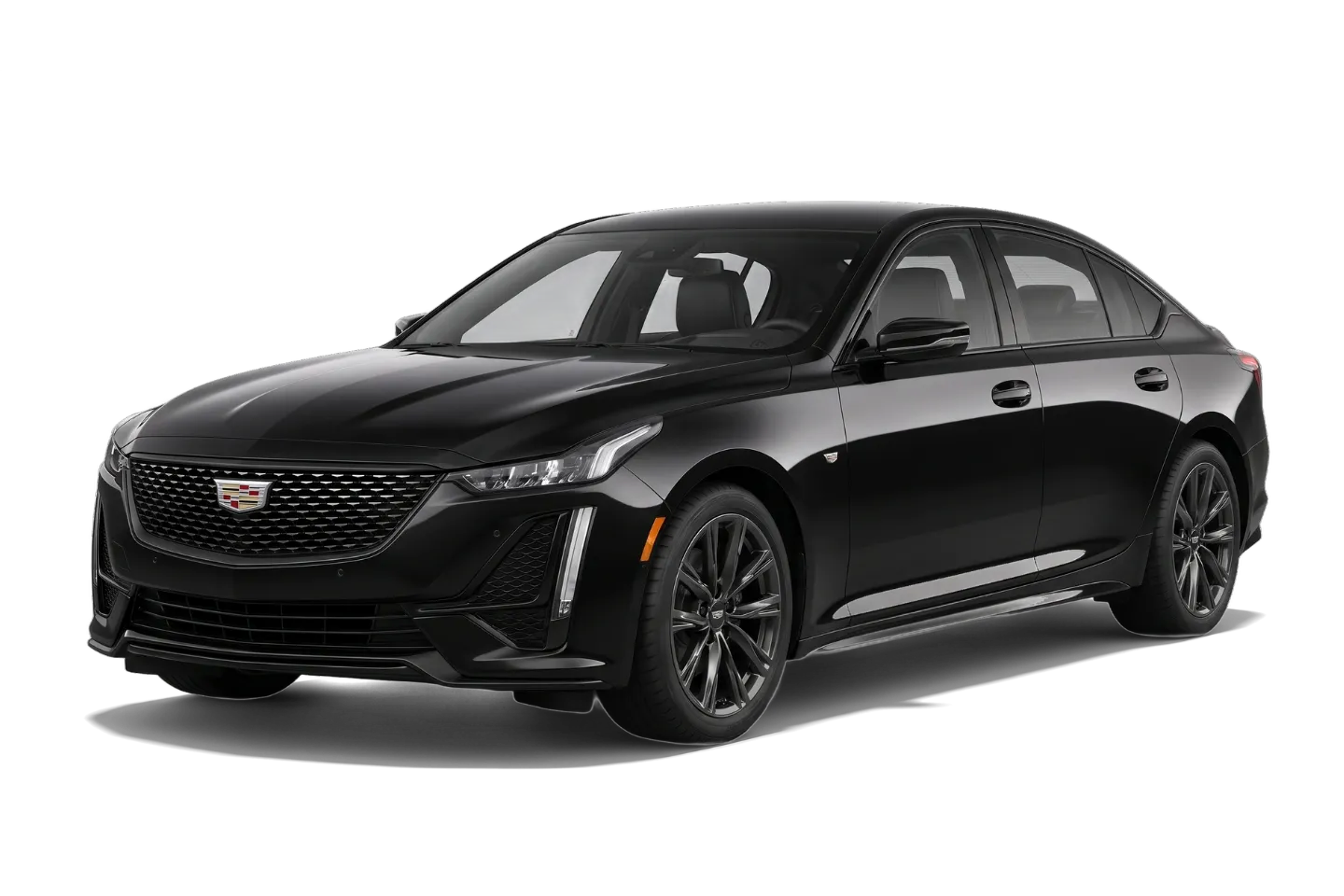
- Sedan: up to 3 passengers.
- SUV: up to 6 passengers.
- Sprinter van: 10 to 14 passengers.
- Party bus: 20 to 30 passengers.
- Mini charter bus: 24 to 35 passengers.
- Full size motor coach: up to 56 passengers.
Capacity means seats. Comfort over distance, luggage space, and access to the destination matter just as much.
Why Is a 56 Seat Coach Usually Right for 40 People?
The Group Stays Together
One vehicle means one departure, one arrival, and one head count at every stop. For schools, tours, and conferences, that simplicity saves time all day.
Luggage Travels Below
Motor coaches carry bags in bays beneath the floor, with racks above the seats. Forty travelers with a suitcase each, or a team with equipment, fit easily.
The Ride Suits California Distances
Los Angeles to San Diego is two hours, San Francisco to Lake Tahoe is three and a half, and Los Angeles to Las Vegas is four or five. Reclining seats, air suspension, climate control, and a restroom make those hours comfortable. Wi-Fi and power outlets are common on newer coaches.
The Cost per Seat Is Low
At $180 to $340 per hour in 2026, a coach for 40 passengers works out to $4.50 to $8.50 per person per hour. Two smaller vehicles cost above that in total.
There Is Room to Grow
Lists change. A coach handles 46 or 52 passengers without a second booking. Colleagues bring partners, a second classroom joins the trip, or a few extra relatives decide to come to the wedding, and the spare seats are already there.
When Are Two Smaller Vehicles Better?
The Venue Cannot Take a Coach
Many wineries in Napa, Sonoma, and Paso Robles sit at the end of narrow lanes and limit the size of vehicle they accept. Parts of Highway 1 through Big Sur, canyon roads in Malibu, and mountain routes restrict or defeat a 45 foot coach. Mini buses go where coaches cannot.
Guests Start from Different Places
A wedding with guests in two hotels, or a company with staff in San Francisco and the East Bay, runs smoothly with a vehicle from each origin.
The Shuttle Runs in Loops
For an evening event, two mini buses on a rotating loop halve the waiting time compared with one large vehicle.
The Group Splits by Activity
On a retreat in Palm Springs, half the team plays golf while the other half visits a spa. Two vehicles follow two schedules.
City Streets Are Tight
San Francisco restricts coaches on certain streets and hills, and loading zones are limited. Two mini buses can reach doors that a coach must avoid.
Arrivals Are Staggered
When delegates land at Los Angeles International across an afternoon, two vehicles collect them in waves.
How Do the Three Arrangements Compare on Price?
The figures below use 2026 hourly ranges and exclude parking, tolls, and gratuity.
One Motor Coach
- Hourly: $180 to $340.
- Five hour event: $900 to $1,700, or about $23 to $43 per person.
- Ten hour day trip: $1,800 to $3,400, or $45 to $85 per person.
Two Mini Charter Buses
- Hourly: $320 to $600 for the pair.
- Five hour event: $1,600 to $3,000, or $40 to $75 per person.
- Ten hour day trip: $3,200 to $6,000, or $80 to $150 per person.
One Mini Charter Bus and One Sprinter Van
- Hourly: $300 to $520 for the pair.
- Five hour event: $1,500 to $2,600, or about $38 to $65 per person.
- Ten hour day trip: $3,000 to $5,200, or $75 to $130 per person.
One coach is the economical choice. The two vehicle options earn their higher price through access and flexibility. Our article on what a charter bus costs in California covers rates, minimums, and extras.
Which Questions Decide the Right Size?
How Firm Is the Headcount?
A list of 40 in February can reach 47 by April. Reserve for the number you expect on the day with a margin of about 10 percent.
Who Is Traveling?
Forty fourth graders take less room than forty rugby players. Adults on a long ride appreciate an empty seat beside them.
How Much Luggage Is Coming?
- Day trip with small bags: any option works.
- Overnight with a suitcase each: a coach with underfloor bays.
- Skis, surfboards, golf clubs, or instruments: a coach, sometimes with a cargo vehicle alongside.
- Trade show or production equipment: a coach with full bays, planned in advance.
How Long Is the Drive?
Under an hour, comfort features matter less. Beyond two hours, a restroom and reclining seats make a real difference, and California has many drives beyond two hours.
What Is the Access Like?
Tell the reservation agent about narrow lanes, low branches, steep driveways, weight limits, and any size limit set by the venue. A satellite view answers most questions, and wineries will state their limit if asked.
Does Anyone Need Accessible Seating?
Lift equipped coaches exist in the market and must be requested well in advance. A wheelchair position reduces regular seating, which is another reason to choose the larger vehicle.
How Much Luggage Fits in Each Vehicle?
A full size coach takes forty large suitcases in its bays with room to spare, along with coolers, strollers, and sports bags. A mini bus has a rear compartment or a small area behind the last row, suited to day bags and carry-ons. If forty people on two mini buses each bring a full case, several seats will hold luggage. A Sprinter van carries about one bag per traveler behind the final row. Describe the load as carefully as the headcount when you request a quote.
What Do 40 Passenger Trips Look Like Across California?
A School Trip from Sacramento to San Francisco
Thirty four students and six chaperones visit a science museum and the waterfront, about 90 miles from school. One motor coach handles the group, with lunches in the racks and a restroom on board.
A Wedding in Sonoma
Forty guests are split between two inns, and the vineyard limits vehicles to 30 feet. Two mini buses collect them at 4:00 p.m. and run return loops from 9:30 p.m.
A Corporate Offsite from San Jose to Lake Tahoe
A team of forty travels about 230 miles with overnight bags and ski gear. A motor coach with Wi-Fi and full luggage bays makes the four hour drive productive.
A Church Group from Riverside to the Getty Center
Forty members ride about 70 miles into Los Angeles for the day. A single coach uses the museum's bus arrangements, which are reserved in advance.
A Water Polo Team from San Diego to Long Beach
Players, coaches, and parents total forty, with equipment bags. The luggage bays of a coach decide the matter.
Film Crew Shuttles in Los Angeles
Forty crew members move between a parking area and a location in the hills. A mini bus and a Sprinter van run continuous loops on a street too tight for a coach.
What Should You Expect Inside Each Vehicle?
Motor Coach
- High back reclining seats in rows of four with a center aisle.
- Overhead racks and reading lights.
- Underfloor luggage bays.
- Climate control, a public address system, and video monitors.
- A restroom on most models.
Mini Charter Bus
- Coach style seats for 24 to 35 passengers.
- A rear luggage area or limited overhead space.
- Climate control and a sound system.
- Easier access to tight venues.
Sprinter Van
- Seats for 10 to 14 passengers.
- A high roof for standing entry.
- Rear luggage space.
- A useful companion vehicle for VIPs or late arrivals.
See photographs on our fleet page, and read about Sprinter van service in California for the smaller vehicle in a mixed booking.
How Does Size Relate to Safety and Licensing?
- Carrier authority: the California Public Utilities Commission licenses charter party carriers, which charter vehicles for the exclusive use of an individual or group. Request the TCP number.
- Driver licensing: California sets a low threshold. The Department of Motor Vehicles' page on commercial driver's licenses classes a vehicle designed, used, or maintained for carrying above ten passengers including the driver as a commercial motor vehicle, so drivers of vans, mini buses, and coaches hold a commercial license.
- Inspection: buses are subject to inspection by the California Highway Patrol.
- Passenger conduct: the Federal Motor Carrier Safety Administration publishes bus passenger safety tips worth sharing before departure.
- Hours of service: drivers are limited to ten hours of driving after eight consecutive hours off duty.
How Does the Season Affect a Group of 40?
From April through June, schools across California book coaches for trips to museums, missions, the Capitol, and theme parks, while proms and weddings take the Saturdays. A group that needs one coach in those months should reserve three to six months ahead. September and October are peak season in wine country, when mini buses for vineyard weddings sell out early. Summer fills coaches with tours to the coast and the national parks. In winter, availability is good, though Sierra trips need extra time for chain controls and possible closures on Interstate 80 and Highway 50, and storms can shut the Grapevine on Interstate 5.
How Do Airports Change the Choice?
Airport groups bring luggage, and flights seldom land together. For 40 travelers on one flight, a single coach with luggage bays is ideal. For arrivals spread across several flights or terminals, two vehicles reduce waiting. At Los Angeles International, traffic in the terminal loop adds time to every pickup, so the schedule should allow for it. Our California airport charter bus service page explains how group pickups work.
Should You Add a Car for VIPs or Late Arrivals?
A small companion vehicle often solves a problem cheaply. A sedan or SUV can carry a keynote speaker on a separate schedule, bring the wedding couple on their own, or collect two colleagues whose flight lands after the coach has left. At $85 to $120 per hour for a sedan and $110 to $160 for an SUV, the extra car costs far less than holding a full bus for an hour.
What Does a Sample Schedule Look Like?
A company in Irvine is sending 40 employees to a team day in Temecula wine country, about 60 miles away. The coach arrives at the office at 8:15 a.m., and the bus leaves at 8:30, after the worst of the morning traffic. The drive takes about seventy five minutes, with a short briefing over the public address system on the way.
The first winery accepts full size coaches, and the driver parks in its bus area. At 12:30, the group moves ten minutes down the road for lunch and a second tasting. Departure is at 3:30, ahead of the afternoon rush, and everyone is back in Irvine by 5:00. The booking of about nine hours costs roughly $1,620 to $3,060 before parking and gratuity, or $41 to $77 per employee. Nobody drove, and the day began and ended with the whole team together.
Which Mistakes Should You Avoid?
- Booking the exact number of seats: leave a margin for late additions.
- Forgetting the luggage: seats and suitcases compete for space on small vehicles.
- Ignoring venue limits: many wineries and coastal sites restrict coach size.
- Underestimating distance: California drives take longer than the map suggests.
- Planning through rush hour: an hour in traffic is an hour on the bill.
- Waiting too long: spring and harvest weekends sell out months ahead.
- Leaving out the return: late pickups need the same planning as the outbound trip.
How Do You Handle a Headcount That Keeps Changing?
- Set a sign up deadline two weeks before the final count is due.
- Collect a deposit from each traveler to discourage dropouts.
- Reserve the larger vehicle when the count sits near a size boundary.
- Tell the company at once if numbers rise above the seats booked.
- Keep a waiting list for popular trips.
A group that grows from 40 to 58 needs a second vehicle. A group that shrinks to 30 could move to a mini bus, and the saving depends on the change policy and the date.
How Do You Book the Right Bus for 40 People?
- Step 1: Confirm the expected headcount and add 10 percent.
- Step 2: List the luggage and equipment.
- Step 3: Write the itinerary with addresses and times.
- Step 4: Check access and size limits at every stop.
- Step 5: Request quotes for one coach and for a two vehicle option.
- Step 6: Compare totals, amenities, and terms.
- Step 7: Confirm in writing and pay the deposit.
Why Do Planners Trust Us with Group Travel?
Our reservation team asks about luggage, access, and timing before recommending a vehicle, since the best booking is the one that fits the first time. Legendary Limousine offers Sprinter vans, mini buses, and full size coaches, with 24 hour dispatch and flight tracking for airport groups. Every driver is background checked, professionally trained, and familiar with local routes.
Schools, companies, and families return to Legendary Limousine because the vehicle that arrives is the one they were promised.
Conclusion: Which Bus Should 40 Passengers Book?
For 40 passengers in California, a full size motor coach with up to 56 seats is the best choice for most trips. It keeps the group together, carries the luggage, suits long distances, and costs $180 to $340 per hour in 2026, or about $45 to $85 per person for a ten hour day. Choose two mini buses, or a mini bus with a Sprinter van, when the venue limits vehicle size, guests start from different places, or the group divides during the day.
For advice on your itinerary, contact Legendary Limousine at +1 (718) 221-4771 at any hour or request a quote online. Tell us your headcount, your luggage, and your route, and we will recommend the right vehicle at a clear price.

Jessica K. Smith
- Strategic Writer & Content Manager
Strategic senior writer and content manager with 20+ years in healthcare communications and marketing. Excellent editor committed to producing creative, effective content, from social posts to product collateral to thought…